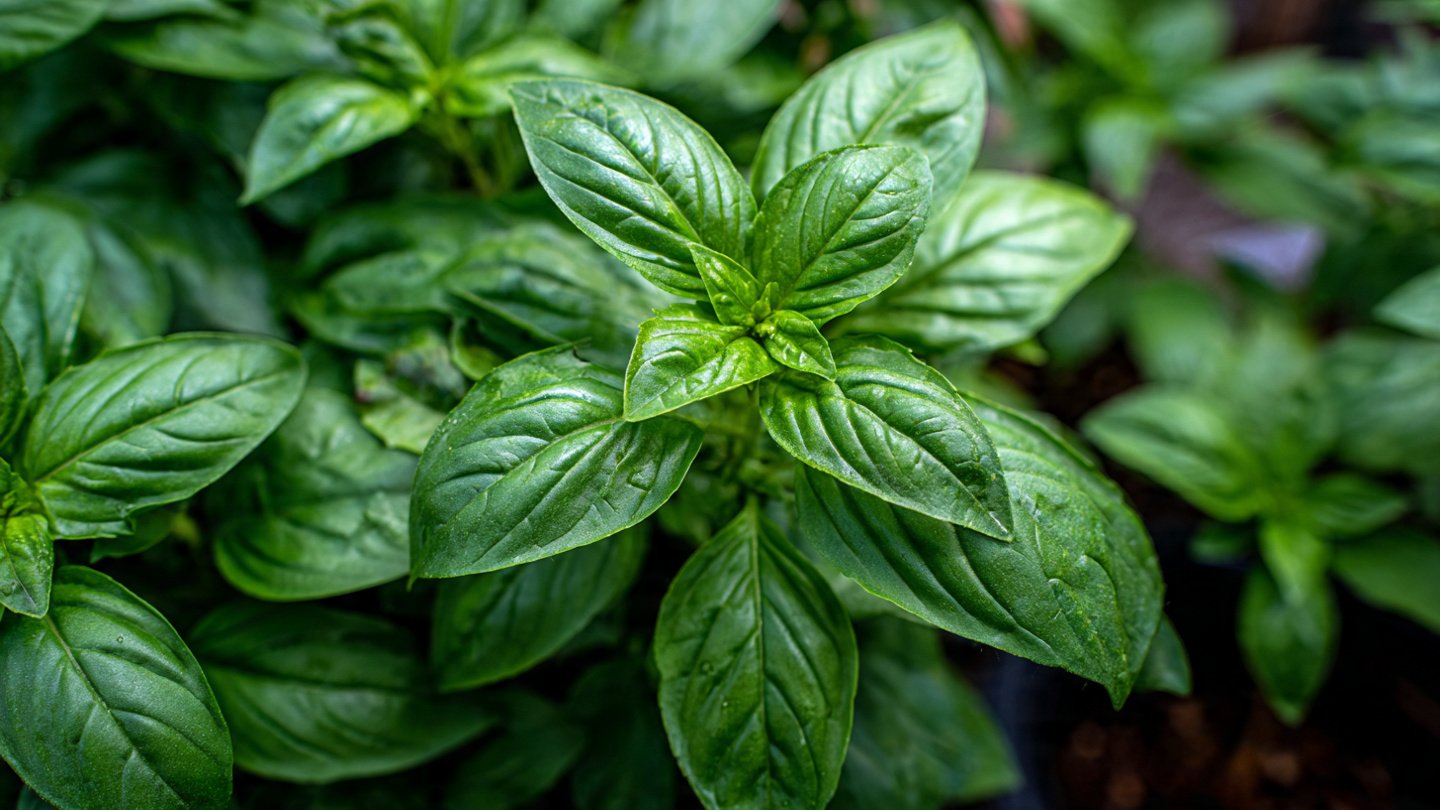
Basil (Ocimum basilicum) is a treasured herb in culinary circles, celebrated for its aromatic leaves and versatility in various dishes. While basil thrives in many conditions, many gardeners face a common dilemma: how to grow basil without allowing it to flower. When basil plants begin to flower, they divert energy from leaf production to the flowering process, often leading to a decrease in the flavor and usability of the leaves. If you’ve ever wondered how to maximize your basil’s foliage while circumventing the flowering stage, this comprehensive guide will provide you with tips and strategies for optimal basil growth.
Understanding Basil Flowering
Basil typically flowers when it reaches its mature stage, usually within 6 to 10 weeks after planting. The flowering process involves the plant developing spikes that produce small white or purple blooms. While these flowers can be beautiful, they indicate that the plant is nearing the end of its life cycle.
When basil flowers, it not only shifts its energy away from leaf growth but also impacts the taste of the leaves. Flowering can lead to a more bitter flavor, which is undesirable for culinary use. Therefore, understanding the growth cycle of basil is essential for any grower wishing to focus on foliage.
Reasons to Prevent Flowering
-
Flavor Preservation: The primary concern for many gardeners is the change in flavor that occurs when basil flowers. Flowering leads to the production of compounds that can cause bitterness in the leaves.
-
Leaf Quality: Once a basil plant flowers, many gardeners notice a decline in the overall quality of the leaves. The younger, more succulent leaves become less abundant, and the plant may become woody over time.
-
Extended Harvests: By preventing flowering, gardeners can extend their harvest period, allowing for continuous use of fresh basil in the kitchen.
Tips for Growing Basil Without Flowering
1. Choose the Right Variety
Different basil varieties have different flowering tendencies. If your goal is to maximize foliage, consider choosing varieties known for being less prone to flowering. For example, Genovese Basil and Thai Basil are popular culinary options that can produce abundant foliage. Alternatively, varieties like Cinnamon Basil and Opal Basil not only offer unique flavors but also tend to focus more on growing leaves.
2. Regular Pinching and Pruning
One of the most effective methods to prevent basil from flowering is to regularly pinch back the plant. Here’s how:
-
Timing: Start pinching when the basil plant is about 6 inches tall. This early intervention helps direct energy into leaf production rather than flower formation.
-
Technique: Use your fingers or clean scissors to pinch off the top set of leaves or flower buds. Make your pinching cut just above a pair of leaves to encourage new growth.
-
Frequency: Continually pinch off any developing flower spikes as soon as you notice them. This will signal the plant to focus on producing more foliage.
3. Optimal Growing Conditions
Providing the right growing conditions for your basil is vital for preventing flowering:
-
Light: Basil thrives in full sunlight, needing at least 6 to 8 hours of direct sunlight each day. If growing indoors, consider using grow lights to supplement natural light.
-
Temperature: Basil prefers warm temperatures, ideally between 70°F and 85°F (20°C to 30°C). Exposure to cooler temperatures can stress the plant, leading it to flower prematurely.
-
Soil: Use well-draining, nutrient-rich soil. A potting mix that includes organic matter improves drainage and provides necessary nutrients.
4. Watering Practices
Proper watering is critical for healthy basil growth. Here are some tips to ensure that your basil remains healthy and vibrant:
-
Consistency: Keep the soil evenly moist but not waterlogged. Allow the top inch of soil to dry out before watering again. Overwatering can promote root rot, while underwatering can stress the plant, triggering it to flower.
-
Method: Water the base of the plant directly rather than overhead. This method prevents moisture from sitting on the leaves, reducing the risk of fungal diseases and ensuring that energy focuses on leaf growth.
5. Fertilization
Fertilizing your basil can help promote lush foliage, but be careful with the amount and type of fertilizer you choose. Here’s how to fertilize properly:
-
Choose a Balanced Fertilizer: Use a balanced, all-purpose fertilizer that supports vegetative growth. Look for formulations high in nitrogen, as this nutrient encourages leaf development.
-
Timing: Fertilize every 4 to 6 weeks during the growing season. Be careful not to over-fertilize, as this can lead to excessive growth that may cause the plant to flower.
6. Harvesting Techniques
Harvesting your basil correctly can encourage a bushier, more productive plant:
-
Frequency: Take regular harvests of leaves. By removing leaves, you stimulate new growth, which helps prevent flowering.
-
Method: When harvesting, cut back entire stems rather than just selecting leaves. This encourages the plant to grow multiple stems, resulting in a bushier appearance and more foliage.
7. Control Pest and Disease Issues
Healthy plants are less likely to stress and flower prematurely. Monitor your basil for signs of pests such as aphids, spider mites, or whiteflies, and take action immediately if you notice any infestations. Consider using biological controls or organic pesticides to keep these pests at bay without harming the plant’s health.
8. Consider Container Growth
Growing basil in containers can provide better control over environmental conditions, which can aid in preventing flowering:
-
Mobility: Container gardening allows you to move your plants to more optimal light or temperature conditions easily.
-
Drainage: Ensure your container has good drainage to prevent moisture accumulation, which can stress the plant.
-
Space Management: Container gardening allows for close monitoring, enabling you to pinch and prune as necessary to encourage growth.
The Benefits of Growing Non-Flowering Basil
By successfully managing basil growth to prevent flowering, gardeners can enjoy:
-
Increased Culinary Use: Fresh basil leaves can be harvested continuously, making them available for a range of culinary dishes, from pasta sauces to salads.
-
Aesthetic Appeal: A bushy, leafy basil plant can be an attractive addition to your kitchen garden.
-
Educational Experience: Learning the intricacies of basil growth provides valuable horticultural knowledge, which can be applied to other plants.
Conclusion
Growing basil without flowering is not only feasible, but it can also lead to a more flavorful and productive herb garden. By choosing the right varieties, employing regular pinching and pruning, optimizing growing conditions, and maintaining proper watering and fertilization techniques, you can create a thriving basil plant that rewards you with an abundance of aromatic leaves.
With these strategies, your basil will flourish, ensuring that your culinary endeavors are always accompanied by the delightful taste of fresh basil. Happy gardening!