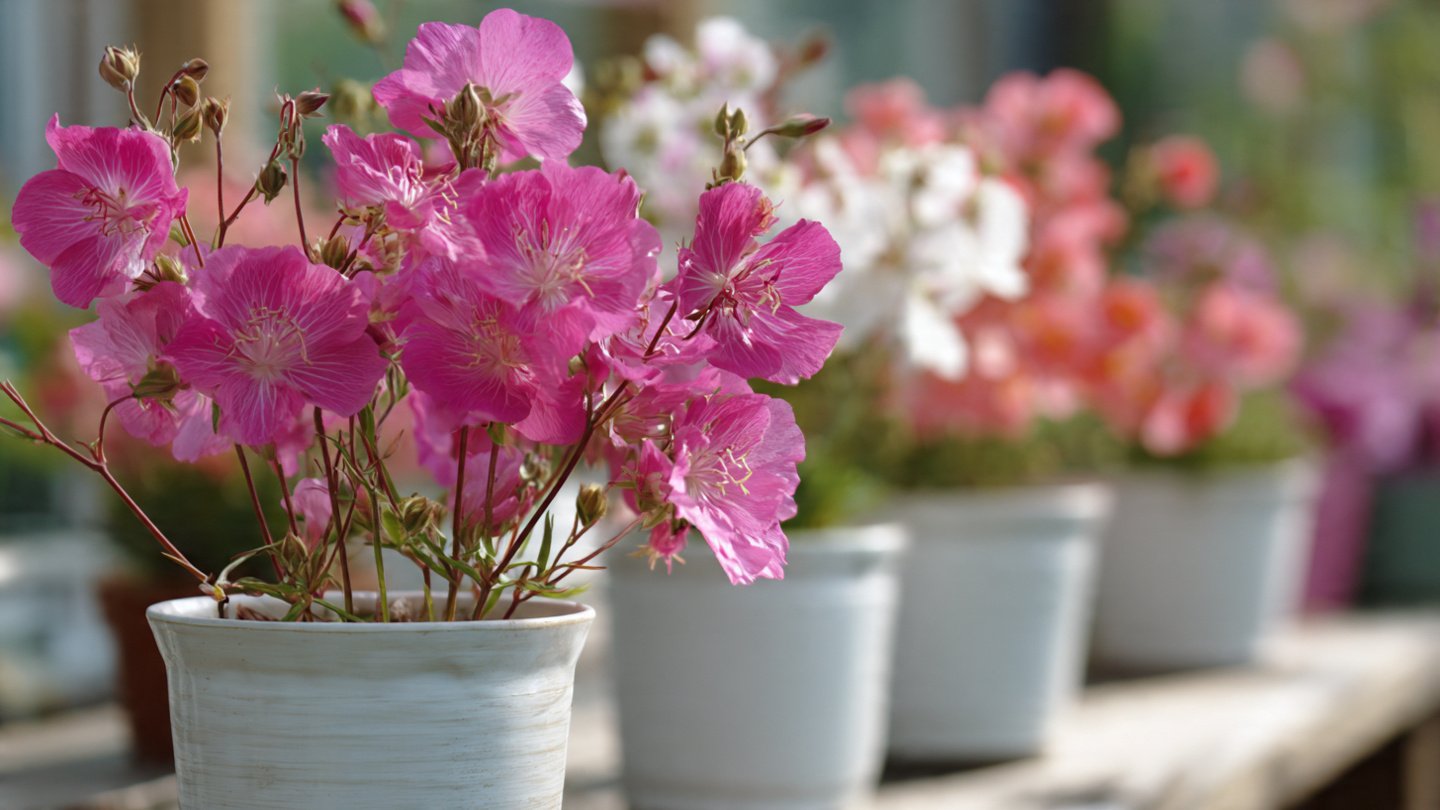
Clarkia, often referred to as “Godetia,” is a stunning, fast-growing flower that can bring a vibrant burst of color to any garden or balcony. With its delicate petals and varied hues ranging from soft pinks to vibrant purples, this charming annual is a perfect choice for container gardening. Whether you’re an experienced gardener or a novice, growing Clarkia in containers can be simplified with just a few hacks. In this comprehensive guide, we’ll explore everything you need to know about cultivating thriving Clarkia blooms in containers, including choosing the right pots, soil, and care tips.
Understanding Clarkia: The Basics
Clarkia is a genus of flowering plants in the evening primrose family (Onagraceae) and is native to North America. Known for its elegant, cup-shaped flowers, Clarkia flourishes from spring to fall, making it an ideal option for container gardens. The plants can reach heights of 12 to 30 inches and bloom in a variety of colors, adding charm and interest to patios, balconies, and outdoor spaces.
Characteristics of Clarkia
- Flowers: Cup-shaped, available in various colors.
- Season: Blooms from late spring through summer and into early fall.
- Height: Typically 12 to 30 inches tall.
- Sunlight: Prefers full sun but can tolerate partial shade.
Selecting the Right Container
Choosing the right container is essential for the healthy growth of Clarkia. Consider the following tips for selecting the perfect pot:
1. Size Matters
Ensure that you select a container that is at least 12 inches in diameter. Clarkia plants have a decent root system, and a larger pot allows the roots to spread out, promoting healthier growth.
2. Drainage is Key
Select a container with drainage holes at the bottom to prevent waterlogging. Meshed or porous pots can also help with air circulation, which is beneficial for root development.
3. Material Choices
Containers can be made from various materials, including plastic, ceramic, or terracotta. Each has its advantages. Terracotta, for instance, is porous and allows for good air circulation, while ceramic pots provide aesthetic appeal but may retain moisture longer.
Choosing the Right Soil
The type of soil you use can significantly impact the growth of your Clarkia. Here are some tips:
1. Use Quality Potting Mix
Opt for a high-quality potting mix that retains moisture but drains well. A blend specifically designed for flowering plants can enrich the soil with necessary nutrients.
2. Add Organic Matter
Mixing in organic matter, such as compost, can provide essential nutrients and improve soil structure. Aim for a ratio of 1 part compost to 3 parts potting mix for optimal results.
3. pH Considerations
Clarkia prefers slightly acidic to neutral soil, with a pH of about 6.0 to 7.0. Conduct a soil test if you’re unsure and amend the soil as needed.
Planting Clarkia: Step-by-Step Guide
Once you’ve gathered your materials, it’s time to plant your Clarkia. Follow this simple step-by-step guide:
Step 1: Prepare the Container
- Place your container in a spot where it will receive at least 6 hours of sunlight daily.
- Fill the container with your potting mix, leaving about an inch of space at the top.
Step 2: Sow the Seeds
- Clarkia can be directly sown in containers. Scatter the seeds evenly over the surface of the soil.
- Lightly press the seeds into the soil, but do not cover them too deeply, as they need light to germinate.
Step 3: Watering
- Water the soil gently to moisten it, being careful not to wash the seeds away.
- Keep the soil consistently moist but not soggy during the germination period, which typically takes about two weeks.
Step 4: Thin the Seedlings
- Once the seedlings have developed their second set of true leaves, thin them out to allow enough space (6-12 inches apart) for healthy growth.
Care and Maintenance
Once your Clarkia is established, it’s essential to provide ongoing care to ensure thriving blooms. Here are some key aspects to consider:
1. Watering Needs
- Frequency: Water the plants regularly, especially during dry spells. Check the top inch of soil; if it’s dry, it’s time to water.
- Method: Water at the base of the plant to avoid wetting the foliage, which can lead to fungal diseases.
2. Fertilization
- Timing: Use a balanced, slow-release fertilizer when planting, and reapply every 4-6 weeks during the growing season.
- Organic Options: Consider using organic fertilizers like fish emulsion or liquid seaweed for healthy growth.
3. Deadheading
Regularly remove spent flowers to encourage further blooming. This process, known as deadheading, prevents the plant from going to seed and redirects energy to produce more flowers.
4. Pest Management
- Common Pests: Watch for aphids, spider mites, and whiteflies. If noticed, treat them with insecticidal soap or neem oil.
- Natural Predators: Introduce beneficial insects like ladybugs to help control pest populations.
5. Winter Care
If you’re in a region with mild winters, Clarkia may self-seed. However, in colder climates, you’ll need to replant each year. Make sure to store seeds in a cool, dry place until planting time.
Harvesting Seeds
If you’d like to save seeds for next season, here’s how to do it:
1. Allow Seed Pods to Mature
Wait for the seed pods to turn brown and dry on the plant. This is a sign that they are ready for harvesting.
2. Harvest
Gently twist off the seed pods and place them in a paper bag. Label the bag with the date and type of seeds for future reference.
3. Store Properly
Keep the bag in a cool, dry place. Properly stored seeds can remain viable for several years.
Common Problems and Solutions
Growing Clarkia in containers can sometimes lead to challenges. Here are a few common problems and how to resolve them:
Problem: Poor Growth or No Blooms
- Solution: Check for adequate sunlight and ensure you are using nutrient-rich soil. Also, verify that the plants are not overcrowded.
Problem: Leaf Discoloration
- Solution: Yellowing leaves can indicate overwatering or nutrient deficiency. Allow the soil to dry out and consider adding fertilizer.
Problem: Wilting or Dropping Leaves
- Solution: This can result from underwatering or extreme temperatures. Adjust your watering schedule accordingly.
Conclusion
Growing Clarkia in containers should not be daunting. With the right container, soil, and care techniques, you can enjoy an enchanting display of blooms all season long. Remember these easy hacks: choose the right size and type of container, ensure proper soil conditions, and maintain a regular care routine. Soon, your container garden will flourish with the captivating beauty of Clarkia, providing you with joy and serenity right at your doorstep. Happy gardening!