Introduction
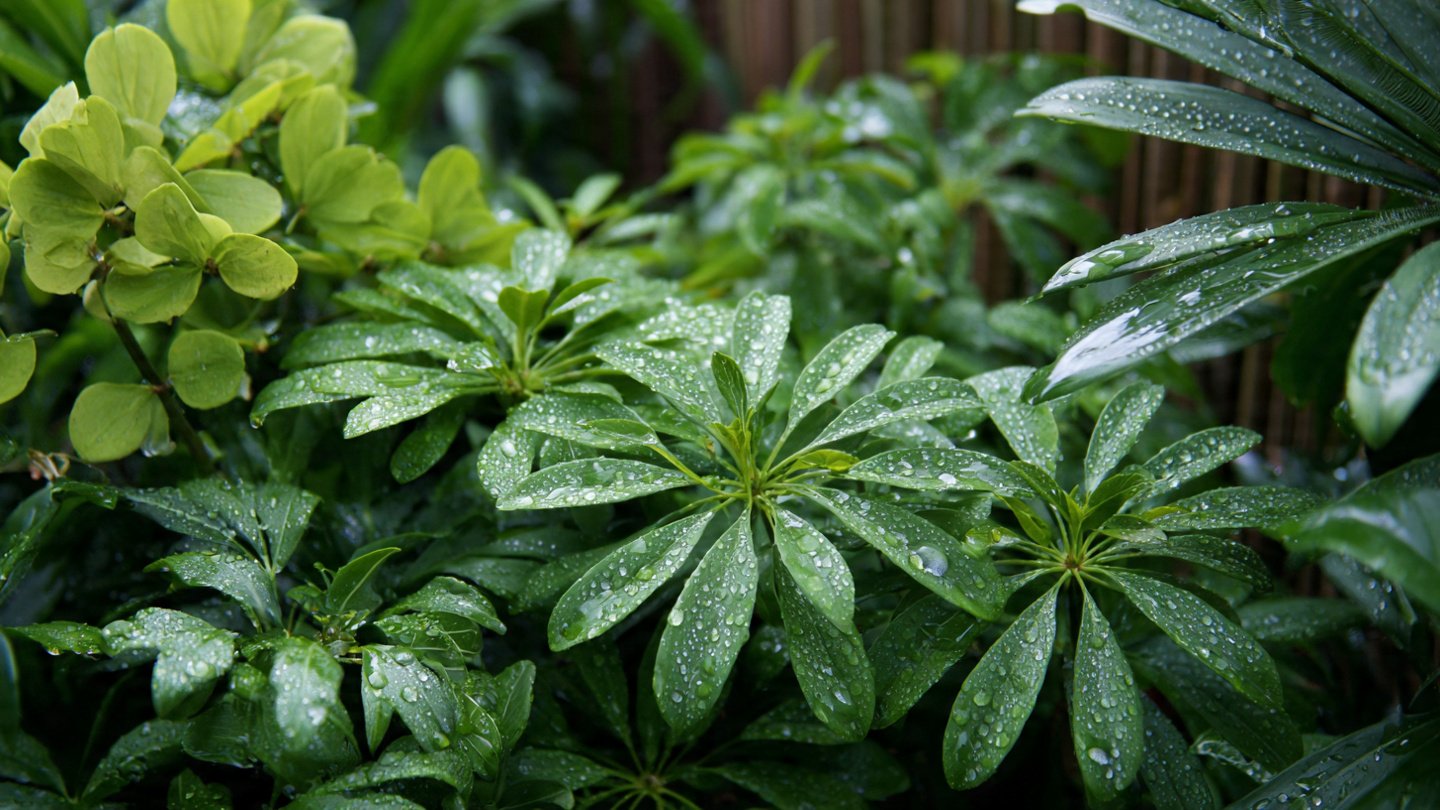
The Umbrella Plant, or Schefflera actinophylla, is a striking tropical plant beloved for its glossy green foliage, making it a fantastic choice for layering in garden design. This perennial can serve as an eye-catching backdrop, allowing other plants in your garden to shine while providing a lush, vibrant aesthetic. In this article, we’ll delve into the characteristics of the umbrella plant, its care requirements, and best practices for incorporating it into your garden for maximum impact.
Understanding the Umbrella Plant
Characteristics of the Umbrella Plant
The Umbrella Plant is a member of the Araliaceae family and is native to tropical regions of Australia, New Guinea, and several Pacific Islands. It typically grows to a height of 6 to 10 feet and can develop a spread of about 3 to 5 feet. The plant is characterized by its long, glossy leaves that grow in a whorled pattern, resembling an umbrella.
One of the appealing features of the Umbrella Plant is its adaptability. It can thrive indoors or outdoors in suitable climates, achieving its fullest potential when planted in well-drained soil under the right conditions. Its unique shape and lush foliage make it a perfect candidate for creating captivating background layers in garden designs.
Growing Conditions
To successfully grow an Umbrella Plant, it’s essential to understand its growing conditions and preferences.
Climate
The Umbrella Plant thrives in USDA zones 10-12, where temperatures remain consistently warm. If you live in a cooler zone, you may consider them as indoor plants or move them outside during the warm seasons. They prefer temperatures between 65°F and 85°F (18°C to 29°C). Protect them from frost, as freezing temperatures can damage or kill the plant.
Light Requirements
Umbrella Plants thrive in bright, indirect sunlight. They can tolerate partial shade but will grow more slowly and may not reach their full potential in low light conditions. If the plant receives too much direct sunlight, the leaves may become scorched, leading to unsightly brown edges.
Soil
Well-drained soil is crucial for the healthy growth of the Umbrella Plant. A mixture of potting soil and perlite or sand can provide good drainage while retaining enough moisture. The ideal pH level should be slightly acidic to neutral (around 6.0 to 7.0).
Watering
The Umbrella Plant enjoys consistent moisture but can be prone to root rot if overwatered. Allow the top inch of soil to dry out between watering sessions. Regularly check the soil moisture; during the growing season, you should be watering every week, while in winter, the frequency can decrease to every two weeks.
Humidity
Being a tropical plant, the Umbrella Plant prefers higher humidity levels. If growing indoors, consider misting the leaves or placing a humidifier nearby, particularly during dry summer months or winter when heating can reduce indoor humidity.
Fertilization
During the growing season (spring and summer), fertilize your Umbrella Plant every four to six weeks with a balanced, water-soluble fertilizer diluted to half strength. In fall and winter, reduce or eliminate fertilization, as the plant enters a dormant phase.
Propagation Methods
There are several ways to propagate an Umbrella Plant. This guide will focus on the most common methods: stem cuttings and division.
Stem Cuttings
-
Select Cuttings: Choose a healthy stem with at least two to three leaves. Make a clean cut below a node (the point where leaves attach).
-
Prepare for Planting: Dip the cut end in rooting hormone to encourage root development.
-
Planting: Insert the cut end into a pot filled with well-draining soil, ensuring the node is buried. Water lightly.
-
Create Humidity: Cover the pot with a plastic bag or a clear plastic dome to maintain humidity. Ensure it doesn’t touch the leaves.
-
Light Requirements: Place the pot in a warm, indirectly lit area.
-
Care for the Cutting: Monitor soil moisture and remove the plastic when roots develop (typically within 4-6 weeks).
Division
-
Time to Divide: This method is best done during the spring when the plant is actively growing.
-
Remove from Pot: Carefully remove the Umbrella Plant from its pot and shake off excess soil.
-
Separate the Roots: Gently separate the roots into sections, each ideally containing multiple stems and root systems.
-
Replant: Plant the divisions in new pots with well-draining soil and water thoroughly.
Designing with the Umbrella Plant
Using Umbrella Plants for Background Layering
The Umbrella Plant can serve as a beautiful backdrop for your garden due to its height and lush foliage. Here are some design ideas to effectively incorporate it into your garden:
-
Layering with Height: Position your Umbrella Plants towards the back of your garden bed, ensuring they provide a striking height. This creates an excellent backdrop for smaller flowering plants in front.
-
Tropical Theme: Pair Umbrella Plants with other tropical plants such as bird of paradise or hibiscus. The combination of colors and textures creates an exotic feel.
-
Color Contrast: Use the shiny green foliage of the Umbrella Plant against vibrant colors. Consider planting salvia or dahlias in the foreground to create a stark contrast.
-
Creating Depth: Plant clusters of Umbrella Plants at varying heights to create depth in your garden layout. This can lead to a dynamic and layered effect, drawing the viewer’s eye through the garden.
-
Focal Point: In larger gardens, consider placing a larger Umbrella Plant as a focal point, surrounded by various other plants. This can anchor the overall design.
Maintenance Tips for Your Umbrella Plant
Once established, maintaining an Umbrella Plant is relatively straightforward, but a few best practices can help ensure it remains healthy and vibrant:
-
Pruning: Regular pruning helps maintain the plant’s shape and encourages bushier growth. Trim back any leggy stems or yellowing leaves using clean, sharp pruning shears.
-
Pest Management: Watch out for common pests, including spider mites, aphids, and mealybugs. Use insecticidal soap or neem oil as treatment, ensuring you spray the entire plant.
-
Repotting: If your Umbrella Plant becomes root-bound, re-pot it into a larger pot with fresh soil. This generally should be done every 1 to 2 years.
-
Monitoring for Issues: Keep an eye out for signs of overwatering (yellow leaves, mushy roots) or under-watering (crispy leaves). Adjust your care regimen accordingly to restore plant health.
-
Seasonal Care: Adjust your care routines according to seasonal changes. In the winter, decrease watering and avoid fertilizing to let the plant rest.
Conclusion
The Umbrella Plant is a versatile and visually stunning addition to any garden. With its glossy leaves, adaptability, and ease of care, it is a favorite among both novice and experienced gardeners. By understanding its growing conditions, propagation methods, and design potential, you can create a fabulous backdrop in your garden that not only enhances the visual appeal but also provides a stunning layering effect for your floral arrangements.
Incorporate the Umbrella Plant into your garden planning, and watch as it transforms your outdoor space, adding depth, richness, and a touch of tropical elegance. With the right care and placement, your Umbrella Plant will thrive, becoming a breathtaking focal point and the envy of all your gardening friends. The possibilities are endless, so get growing and enjoy a striking, layered garden that speaks to your personal style and creativity!