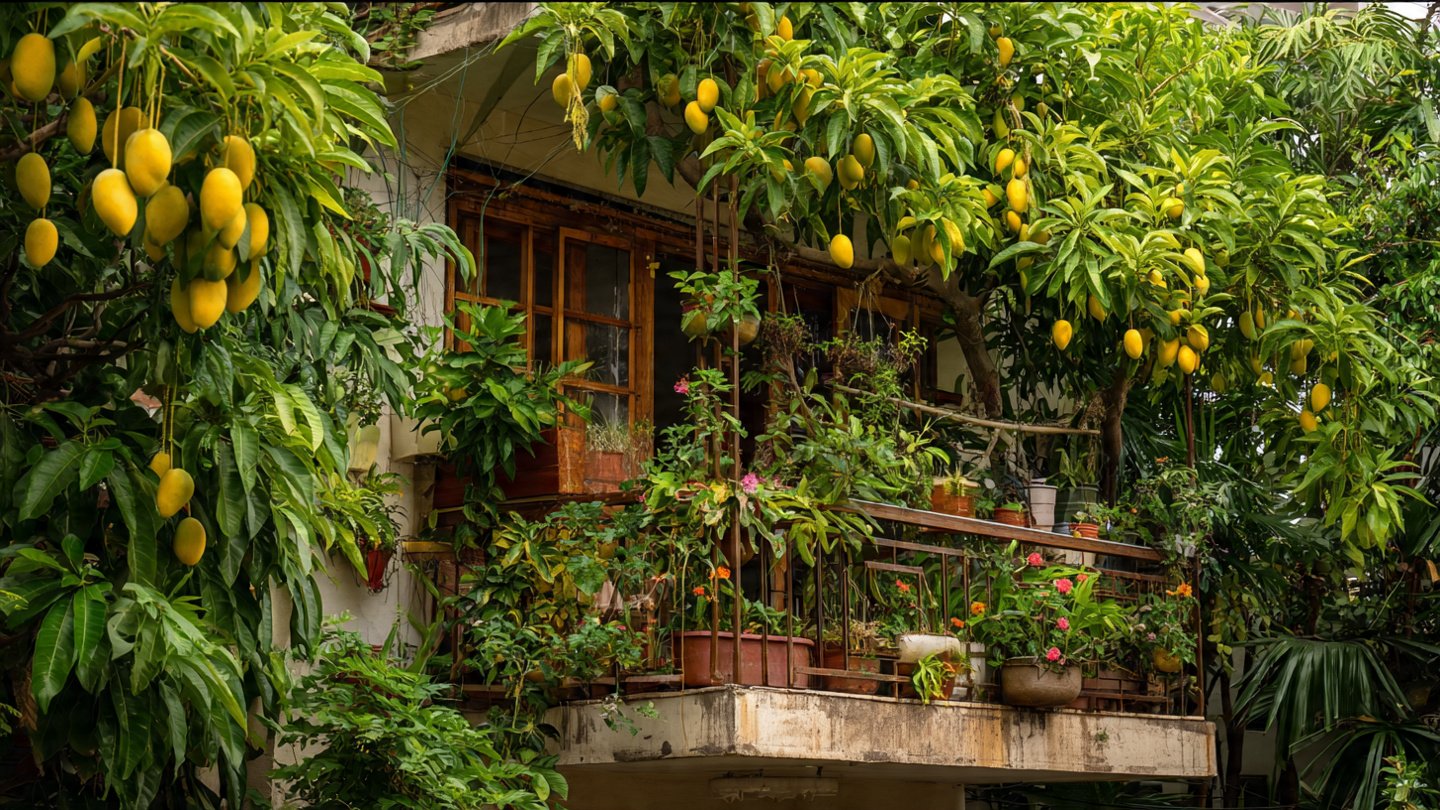
Creating a lush mango balcony garden can transform your outdoor space into a vibrant oasis, providing not just aesthetic value but also a fresh source of delicious fruit. Whether you live in a small apartment or a spacious home, balcony gardens offer an excellent opportunity to cultivate your own mangoes, bringing a taste of tropical paradise to your everyday life. In this guide, we’ll delve into everything you need to know about setting up your own mango garden, from selecting the right variety to caring for your plants.
1. Understanding Mango Varieties
Before you start planting, it’s essential to understand the different varieties of mangoes available. Some popular options for home gardening include:
- Honey (Haden): Known for its sweet taste, this variety has a beautiful red and yellow skin.
- Kent: A favorite for its juicy flesh and minimal fiber.
- Tommy Atkins: This variety is resistant to diseases, making it a great choice for beginners.
- Palmer: With a pleasant aroma and flavor, it’s another good choice for container growing.
Select a variety that suits your climate and space availability.
2. Choosing Containers
Mango trees can grow quite large, but they can be successfully grown in containers if you choose appropriately. Here are some tips for selecting the right containers:
- Size: Start with a pot that is at least 14-16 inches in diameter. As the tree grows, you can gradually transfer it to larger pots.
- Material: Terracotta pots are excellent for drainage, but ensure they’re not too heavy. Plastic pots are lighter and come in various sizes.
- Drainage: Ensure that your container has drainage holes to prevent root rot.
3. Soil Selection
Mango trees prefer well-draining, sandy loam soil with a pH of 5.5 to 7.5. Here’s how to create the ideal soil mix:
- Base Mix: Use a good quality potting mix as your base.
- Sand: Add sand for improved drainage.
- Organic Matter: Incorporate compost or well-rotted manure to provide nutrients.
A well-aerated soil mixture ensures that water drains efficiently, preventing root diseases.
4. Sunlight Requirements
Mango trees thrive in full sunlight. Position your balcony garden in an area that receives at least 6-8 hours of direct sunlight daily. If your balcony doesn’t get enough sunlight, consider using reflective materials to enhance light exposure, or use grow lights designed for fruiting plants.
5. Planting Your Mango Tree
Follow these steps to plant your mango tree effectively:
- Prepare the Container: Line the bottom of the pot with small stones or gravel for added drainage.
- Add the Soil: Fill the pot with your prepared soil mix, leaving about 2 inches of space at the top.
- Planting: Carefully remove the mango sapling from its nursery pot, and gently loosen the roots if they are tightly bound. Place the sapling in the center of the container, ensuring the soil level matches the original soil line of the root ball.
- Backfill: Fill in around the roots with soil and gently compact it to eliminate air pockets.
- Watering: Water the plant thoroughly after planting.
6. Watering Your Mango Tree
Mango trees prefer a consistent watering schedule, especially during the growing season. Here’s how to manage it:
- Frequency: Water deeply but infrequently. Allow the top inch of soil to dry out between waterings.
- Signs of Overwatering: Yellowing leaves, wilting, and root rot indicate excessive moisture.
- Signs of Underwatering: Drooping leaves, dry soil, and decreased growth signal the need for more water.
7. Fertilization for Healthy Growth
To ensure your mango tree thrives, regular fertilization is crucial. Use a balanced, slow-release fertilizer that is high in potassium, and follow these guidelines:
- Frequency: Fertilize every 4-6 weeks during the growing season (spring to early fall).
- Application: Follow the manufacturer’s instructions for dosage and watering after fertilization.
Additionally, consider adding organic fertilizers like fish emulsion or compost tea to enhance soil health.
8. Pruning and Training Your Mango Tree
Regular pruning helps maintain the shape of your mango tree and encourages more fruit production. Here’s how to do it:
- Timing: Prune during the dormant season (late winter to early spring).
- Techniques: Remove any dead or crossing branches, and trim back excessive growth to allow for better air circulation.
Training your mango tree involves guiding its growth with staking and ties to help it assume a desired shape.
9. Pest and Disease Management
Protecting your mango tree from pests and diseases is crucial for a healthy harvest. Common pests include aphids, scales, and spider mites. Here are some management strategies:
- Regular Inspection: Check leaves and stems for any signs of pests.
- Natural Remedies: Use insecticidal soap or neem oil to deter pests.
- Companion Planting: Consider planting herbs like basil or marigolds nearby, as they can deter harmful insects.
Avoid over-fertilizing, which can make plants more susceptible to pests and diseases.
10. Harvesting Mangoes
Once your mango tree starts producing fruit, it’s vital to know when to harvest for optimal flavor:
- Color Change: Look for a change in color indicating ripeness; most varieties become more yellow.
- Feel: Gently squeeze the fruit; it should yield slightly when ripe but not feel mushy.
- Smell: Ripe mangoes emit a sweet, fragrant aroma.
Cut the fruit from the tree using scissors or a sharp knife to avoid damaging the branches.
11. Fruit Storage and Enjoying Your Harvest
Once harvested, proper storage will keep your mangoes fresh for longer. Here’s how to store mangoes:
- Room Temperature: Allow unripe mangoes to ripen at room temperature for a few days.
- Refrigeration: Once ripe, store mangoes in the refrigerator for 5-7 days.
Enjoy your mangoes fresh, in smoothies, or as part of salads, desserts, or salsas!
12. Additional Tips for a Successful Mango Balcony Garden
- Temperature: Mango trees grow best in temperatures between 70°F and 100°F (21°C – 38°C). If you live in a cooler climate, consider moving your containers indoors during winter.
- Mulching: Add a layer of mulch to retain moisture and suppress weeds.
- Patience: Mango trees typically take 3-6 years to produce fruit. Be patient, as the rewards are worth the wait!
Conclusion
Creating a lush mango balcony garden is a rewarding journey that allows you to enjoy fresh fruit right at home. By selecting the right variety, providing ample sunlight, and following essential care practices, you’ll be well on your way to cultivating a thriving mango tree. Whether you savor the fruits of your labor fresh off the tree or incorporate them into your culinary creations, a mango garden enhances both your living space and your life.
Celebrate your gardening journey and relish the flavor of fresh mangoes from your very own balcony! Happy gardening!