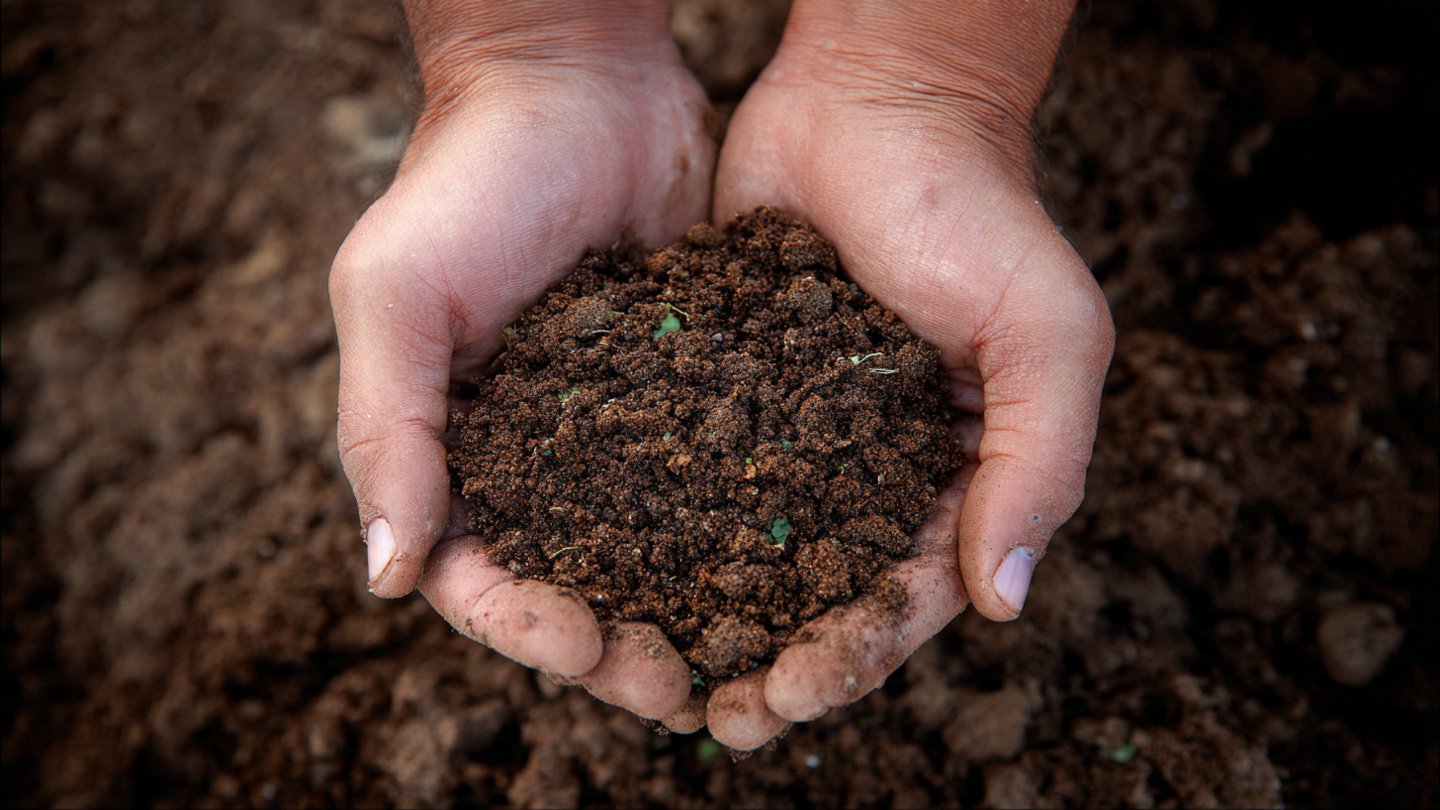
Mangoes, known for their sweet, succulent flavor and vibrant color, are a tropical delight that many gardeners aspire to cultivate. To grow healthy mango trees, understanding the importance of soil quality is paramount. The right soil mix not only supports root development but also enhances nutrient absorption, ensures adequate drainage, and fosters a balanced pH level. This comprehensive guide will walk you through the steps to create the perfect soil mix for mango trees, covering essential components, preparation, and maintenance considerations.
1. Understanding Mango Trees’ Soil Requirements
1.1 Soil Type
Mango trees thrive in well-draining, sandy loam soils. They dislike heavy clay or overly compacted soils that retain moisture, leading to root rot. A good mix promotes aeration and allows roots to establish rapidly.
1.2 pH Level
Mangoes prefer slightly acidic to neutral soils with a pH level between 5.5 and 7.5. Regular pH testing helps ensure that your soil remains within this optimal range.
1.3 Nutrients
The ideal soil mix should be rich in organic matter and essential nutrients, particularly nitrogen, phosphorus, and potassium, fostering vigorous growth and fruit production.
2. Essential Components of the Perfect Mango Soil Mix
Creating a perfect soil mix involves combining several different materials to achieve the right balance. The following components are crucial:
2.1 Base Materials
- Sandy Loam: This should form the bulk of your mix (about 50-60%). It provides good drainage and aeration.
- Organic Compost: Adding about 30% compost enriches the soil with nutrients and helps retain moisture without compromising drainage.
2.2 Amendments
Adding specific amendments can boost your soil mix’s nutrient content and health:
- Coconut Coir or Peat Moss: These materials enhance moisture retention while still allowing drainage. Add around 10-15%.
- Perlite or Vermiculite: These lightweight materials improve aeration and drainage. Include about 5% of this in the mix.
2.3 Nutritional Supplements
Incorporate organic fertilizers rich in the necessary macro and micronutrients:
- Bone Meal: A source of phosphorus to promote root development.
- Fish Emulsion or Seaweed Extract: Provide essential micronutrients and promote healthy growth.
- Wood Ash: A natural source of potassium that can enhance fruit flavor.
3. Steps to Create Your Mango Soil Mix
Follow these steps to create a balanced soil mix tailored for mango trees:
3.1 Gather Materials
Collect the necessary components:
- Sandy loam soil
- Organic compost (homemade or store-bought)
- Coconut coir or peat moss
- Perlite or vermiculite
- Bone meal, fish emulsion, or wood ash
3.2 Measure the Components
In a clean container or wheelbarrow, measure the components based on the percentages outlined earlier:
- 60% Sandy Loam
- 30% Organic Compost
- 10% Coconut Coir or Peat Moss
- 5% Perlite or Vermiculite
Adjust the amounts according to your specific needs, ensuring that the total still balances out.
3.3 Mix Thoroughly
Combine the materials in your container or wheelbarrow. Use a shovel or trowel to blend them uniformly, breaking up any large clumps while making sure that everything is well mixed. This will help ensure an even distribution of nutrients and moisture retention capabilities.
3.4 Add Amendments
Once your base mix is ready, incorporate nutritional supplements:
- Bone meal: Follow package instructions for recommended amounts.
- Fish emulsion or seaweed extract: Mix as per the dosage suggested on the label.
- Wood ash: Sprinkle lightly as it can significantly affect soil pH.
3.5 Test the Soil pH
Before using your soil mix, testing the pH is essential. Kits are available at garden centers for this purpose. If the pH exceeds 7.5, consider adding elemental sulfur to lower it, while lime can be used to raise it.
4. Applying Your Perfect Mango Soil Mix
4.1 Preparing Planting Location
Choose a location with full sun exposure, as mango trees thrive in bright, warm conditions. The site should have good airflow to prevent diseases.
4.2 Planting Mango Trees
- Dig a Hole: The hole should be twice as wide and deep as the root ball of your mango tree.
- Add Soil Mix: Fill the hole halfway with your prepared mango soil mix.
- Place the Tree: Carefully place the tree in the center and fill in around it with the remaining soil mix, ensuring not to bury the trunk.
- Water Thoroughly: After planting, water the tree well to help settle the soil and eliminate air pockets.
5. Maintaining Your Mango Tree and Soil
Once the mango tree is planted, ongoing maintenance is crucial to ensure healthy growth:
5.1 Watering
Mango trees require regular watering, especially during the first few months. However, ensure that the soil drains well to prevent root rot. Water deeply and allow the top inch of soil to dry out between watering sessions.
5.2 Mulching
Applying a layer of organic mulch (such as straw or wood chips) around the tree will help regulate soil temperature, retain moisture, and suppress weeds.
5.3 Fertilization
Every spring, apply an organic fertilizer to promote growth. This could include balanced fertilizers or a combination of the nutritional supplements used in your soil mix.
5.4 Soil Health
Continue to monitor soil health by testing pH levels annually and adding amendments as necessary. Incorporating additional compost over time helps maintain soil fertility.
6. Common Pests and Diseases
Being aware of potential pests and diseases can help you take proactive measures:
- Pests: Mango trees can attract aphids, scale, and fruit flies. Regular inspections and organic pesticides can help manage infestations.
- Diseases: Root rot and powdery mildew are common issues. Ensuring good drainage and airflow around the tree can minimize risks.
7. Conclusion
Creating the perfect soil mix for mango trees is not just about growth; it’s about creating a thriving ecosystem that supports the tree throughout its life. By combining the right materials, maintaining the mix, and being aware of the needs of mango trees, you’ll set the stage for a bountiful yield of luscious mangoes. Following this comprehensive guide will not only help you cultivate healthy mango trees but also immerse you in the joy of nurturing one of nature’s sweetest gifts.
Planting a mango tree becomes not just a gardening endeavor but an exciting journey toward enjoying homegrown fruits bursting with flavor and nutrition. Whether for personal enjoyment or for sharing with friends and family, the effort you put into creating this ideal soil mix will pay off in countless delicious ways.