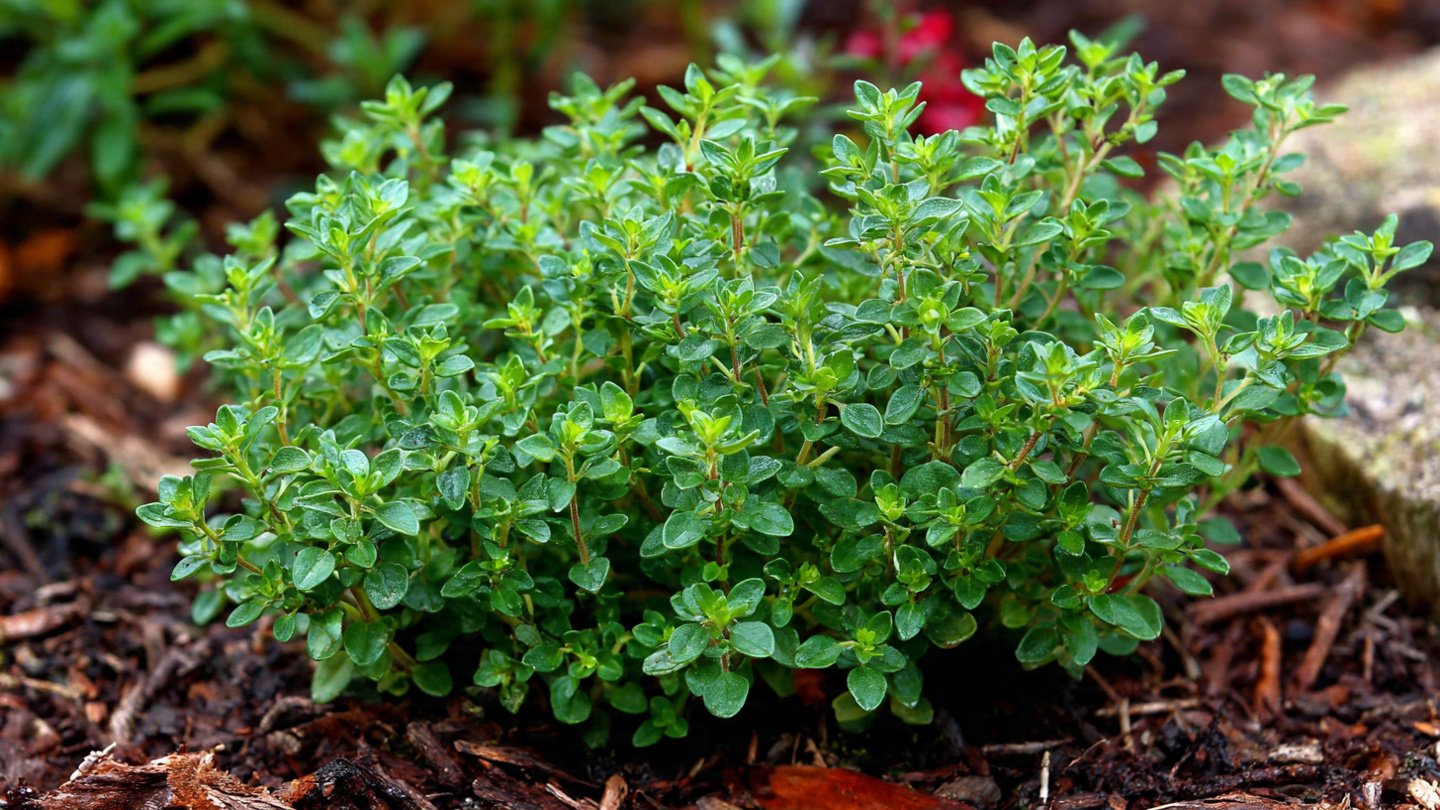
Lemon thyme (Thymus citriodorus) is a delightful herb that not only adds a refreshing citrusy flavor to a variety of dishes but also offers several practical uses in gardens and landscapes. As an aromatic perennial herb, it provides culinary, medicinal, and ornamental benefits. If you’re seeking to cultivate lemon thyme successfully, this guide will walk you through the essential steps, tips, and methods to help you grow this herb like a pro.
Understanding Lemon Thyme
Before diving into the growing methods, it’s important to understand what lemon thyme is and its characteristics:
-
Botanical Background: Lemon thyme belongs to the mint family, Lamiaceae. It is characterized by its short stature (usually 12-18 inches tall), woody stems, and small, ovate leaves that emit a lemony scent when crushed.
-
Culinary Uses: Lemon thyme is versatile in cooking. Its citrusy aroma pairs well with fish, poultry, vegetables, and even desserts. It’s often used in marinades, dressings, and seasoning blends.
-
Aesthetic Appeal: Aside from its culinary uses, lemon thyme is a great addition to ornamental gardens. Its attractive foliage and tiny purple or pink flowers make it a popular choice for ground cover and edging.
Ideal Growing Conditions
Lemon thyme thrives best in specific conditions, ensuring healthy growth and a rich flavor profile. Here are the ideal growing conditions:
1. Soil Requirements
- Type: The best soil for lemon thyme is well-drained, sandy or loamy soil with a slightly alkaline to neutral pH (about 6.0 to 8.0).
- Amendments: You can improve drainage by mixing in sand or perlite. Compost or well-rotted manure will enrich the soil but should be used sparingly to avoid overly rich conditions.
2. Light Conditions
Lemon thyme requires full sun to partial shade. Ideally, it should receive at least 6 to 8 hours of direct sunlight each day. In shaded conditions, the growth may become leggy, and the plants may not develop their distinct flavor.
3. Temperature and Humidity
Lemon thyme prefers a warm climate and can tolerate temperatures ranging from 60°F to 80°F (15°C to 27°C). It is drought-tolerant but can suffer if temperatures drop below 30°F (-1°C). In humid environments, ensure adequate airflow around the plants to prevent fungal issues.
4. Water Requirements
While lemon thyme is drought-resistant, proper watering during the initial growth phase is crucial. Water deeply once a week, allowing the top inch of soil to dry out between waterings. Once established, lemon thyme can survive with minimal watering.
Propagation Methods
There are several ways to propagate lemon thyme:
1. Seed Propagation
- Timing: Start seeds indoors 6-8 weeks before the last frost or directly outdoors after the frost.
- Seeding: Sow seeds in a seed tray filled with seed-starting mix. Do not cover them as they need light to germinate. Keep the soil moist but not soggy.
2. Cuttings
- Taking Cuttings: In spring or early summer, take 4-6 inch cuttings from healthy, mature plants. Remove the leaves from the bottom half and dip in rooting hormone (optional).
- Planting: Place the cuttings in a container with well-draining soil, water lightly, and cover with a plastic bag to maintain humidity. After a few weeks, roots should develop, and they can be transferred to larger pots or outdoors.
3. Division
- Time: The best time to divide lemon thyme is in early spring or fall.
- Method: Gently lift the entire plant from the soil, dividing it into smaller sections with roots. Replant immediately in well-prepped soil.
Planting Lemon Thyme
Once you’ve propagated your lemon thyme, it’s time to plant it in your garden or in pots. Here’s how:
1. Choosing the Right Location
Select a spot in your garden that receives full sunlight, with good drainage. If planting in containers, ensure they have drainage holes.
2. Spacing
Plant lemon thyme 12-18 inches apart to allow for airflow and prevent overcrowding. This distance helps reduce the risk of disease.
3. Planting Technique
- In-Ground: Dig a hole for each plant, which is about as deep as the root ball. Place the plant in the hole, fill with soil, and gently pat down.
- In Containers: Fill pots with a well-draining potting mix, plant the cuttings or seedlings, and water thoroughly.
Care and Maintenance
Caring for lemon thyme properly will yield the best results:
1. Watering and Fertilizing
- Watering: As mentioned earlier, allow the top inch of soil to dry out before watering again. During dry spells, increase watering slightly.
- Fertilizing: Lemon thyme does not need much fertilizer. A light feeding of balanced fertilizer in early spring can help, but avoid high-nitrogen fertilizers, which can promote foliage growth over flavor.
2. Pruning and Harvesting
-
Pruning: Regular pruning helps maintain the plant’s shape and encourages bushier growth. Pinch back the tips of stems throughout the growing season.
-
Harvesting: You can start harvesting once the plant is established (generally in its first year). Cut stems as needed, preferably in the morning when oils are most concentrated. Avoid removing more than one-third of the plant at a time to ensure continued growth.
3. Pest and Disease Management
Lemon thyme is relatively pest-resistant, but you should keep an eye out for:
- Aphids: Use water sprays or insecticidal soap to manage minor infestations.
- Fungal Diseases: Ensure good air circulation and avoid watering the foliage to prevent powdery mildew.
Overwintering
In colder climates, lemon thyme may require some extra care to survive the winter:
-
Mulching: Add a layer of mulch around the base of the plants to insulate roots and retain moisture.
-
Container Care: If grown in pots, consider bringing them indoors during extreme cold spells.
Conclusion
Growing lemon thyme can be a rewarding endeavor, whether you’re using it to enhance your culinary creations or beautifying your garden. By following the right methods—from choosing the right soil and sunlight to caring for your plants and harvesting correctly—you can master the art of growing lemon thyme like a pro. With patience and attention to detail, you’ll find yourself with thriving lemon thyme bushes, ready to be used in a variety of delicious ways.
Past the initial effort, the satisfaction of growing and harvesting your own lemon thyme will not only enhance your dishes but also contribute a lovely aroma and aesthetic to your garden. Start your journey with lemon thyme, and enjoy the fruits (or herbs) of your labor!