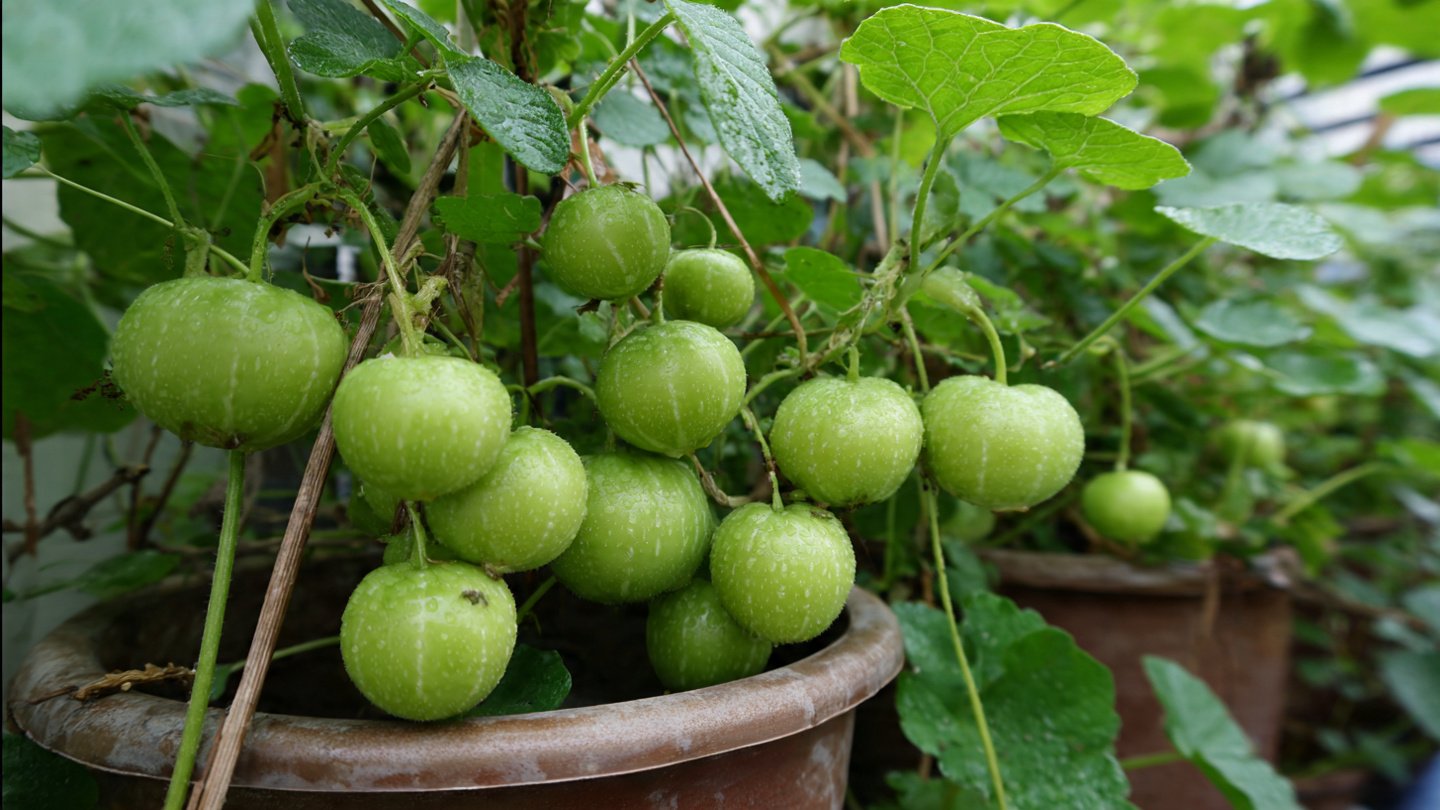
Tinda, also known as Indian round gourd or apple gourd, is a popular vegetable in South Asian cuisine. It is highly valued for its tender texture, mild flavor, and nutritional benefits. Growing tinda in containers is an excellent way to cultivate this versatile vegetable, especially for gardeners with limited space or those living in urban areas. This comprehensive guide provides everything you need to know for successfully growing tinda in containers—from selecting the right container and soil to care, maintenance, and harvesting.
1. Introduction to Tinda Vegetable
Tinda (Praecitrullus fistulosus) is a summer vegetable native to the Indian subcontinent. It belongs to the cucurbit family, the same family as cucumbers, melons, and squashes. The vegetable resembles a small green apple in size and shape, with smooth skin and tender flesh. It is widely used in various dishes like curries, stir-fries, and soups.
Growing tinda in containers offers several benefits:
- Ideal for limited space or urban balconies
- Easy to manage and control soil quality
- Pest and disease management becomes simpler
- Portable and can be moved for optimal sunlight exposure
2. Choosing the Right Container for Growing Tinda
Container selection is crucial for the healthy growth of tinda plants. Here are some important considerations:
- Size: Use a container that is at least 18 to 24 inches deep and has a similar diameter to provide adequate space for root expansion.
- Material: Plastic, ceramic, or wooden containers with drainage holes work well.
- Drainage: Ensure the container has sufficient drainage holes to prevent waterlogging, which can cause root rot.
- Mobility: Lightweight containers are preferable to easily move the plants for sunlight or protection from harsh weather.
3. Preparing the Growing Medium
The soil or growing medium is vital for the success of container gardening. Tinda plants thrive in well-draining, fertile soil. Follow these steps:
- Use a good-quality potting mix enriched with organic matter.
- You can mix garden soil with compost and coco peat or perlite to improve aeration and moisture retention.
- The ideal soil pH for tinda is between 6.0 to 7.5.
4. Selecting the Right Tinda Seeds or Seedlings
- Use certified, disease-free tinda seeds from a reliable source.
- You can also start with healthy seedlings from a nursery.
- Soak seeds in warm water for 12-24 hours before sowing to enhance germination.
5. Planting Tinda in Containers
Steps for Planting:
- Fill the container with the prepared soil mixture, leaving about 2 inches of space from the top.
- Plant two or three seeds per container, about 1 inch deep.
- Water the soil gently but thoroughly.
- Place the container in a sunny location as tinda requires plenty of sunlight (6-8 hours daily).
- Once seedlings emerge and develop their first set of true leaves, thin the weaker seedlings, leaving one healthy plant per container.
6. Watering and Fertilizing
- Keep the soil consistently moist but not soggy.
- Water early in the morning or late in the evening.
- Apply a balanced fertilizer (NPK 10-10-10) every 3-4 weeks, or use organic alternatives like compost tea or well-rotted manure.
- Avoid excessive nitrogen as it may promote leafy growth at the expense of fruit production.
7. Providing Support and Training
Tinda plants are vines and benefit from support structures:
- Use trellises, stakes, or cages to support the growing vines.
- Training the vines vertically not only saves space but also promotes better air circulation and fruit quality.
- Tie the vines gently to the support with soft ties or garden twine.
8. Pest and Disease Management
Common pests affecting tinda include aphids, fruit flies, and caterpillars.
- Use organic pest control methods such as neem oil sprays or insecticidal soaps.
- Maintain cleanliness around the containers to prevent pest infestation.
- Check regularly for signs of disease like powdery mildew or leaf spot and treat promptly with appropriate fungicides.
9. Pollination Tips
While tinda plants are typically self-pollinating, the flowers benefit from bee activity for better fruit setting.
- If grown indoors or in enclosed spaces, hand-pollinate flowers using a small brush to transfer pollen from male to female flowers.
- This ensures higher yields in container-grown plants.
10. Harvesting Tinda
- Tinda is ready for harvest approximately 45-60 days after sowing.
- Pick fruits when they are young and tender, about the size of a small apple (around 2-3 inches in diameter).
- Regular harvesting encourages continuous fruiting.
11. Troubleshooting Common Problems
- Yellowing Leaves: May indicate overwatering or nutrient deficiency.
- Poor Flowering: Could be due to insufficient sunlight or excess nitrogen.
- Fruit Drop: Stress from irregular watering or extreme temperatures might cause fruit drop.
12. Tips for Success
- Rotate plants to avoid soil-borne diseases.
- Use mulch on the soil surface to conserve moisture and reduce weeds.
- Monitor weather conditions and protect the plants from excessive heat or cold.
- Compost regularly to maintain soil fertility.
Conclusion
Growing tinda in containers is a rewarding venture that allows you to enjoy fresh, organic produce even in small spaces. With the right container, soil preparation, watering, fertilizing, and pest management, you can successfully cultivate healthy tinda plants that yield delicious fruits. Whether you’re a beginner or an experienced gardener, this guide provides all the essentials for growing tinda vegetable successfully in containers. Embrace container gardening for tinda and enjoy the fresh taste of homegrown vegetables year-round. Happy gardening!