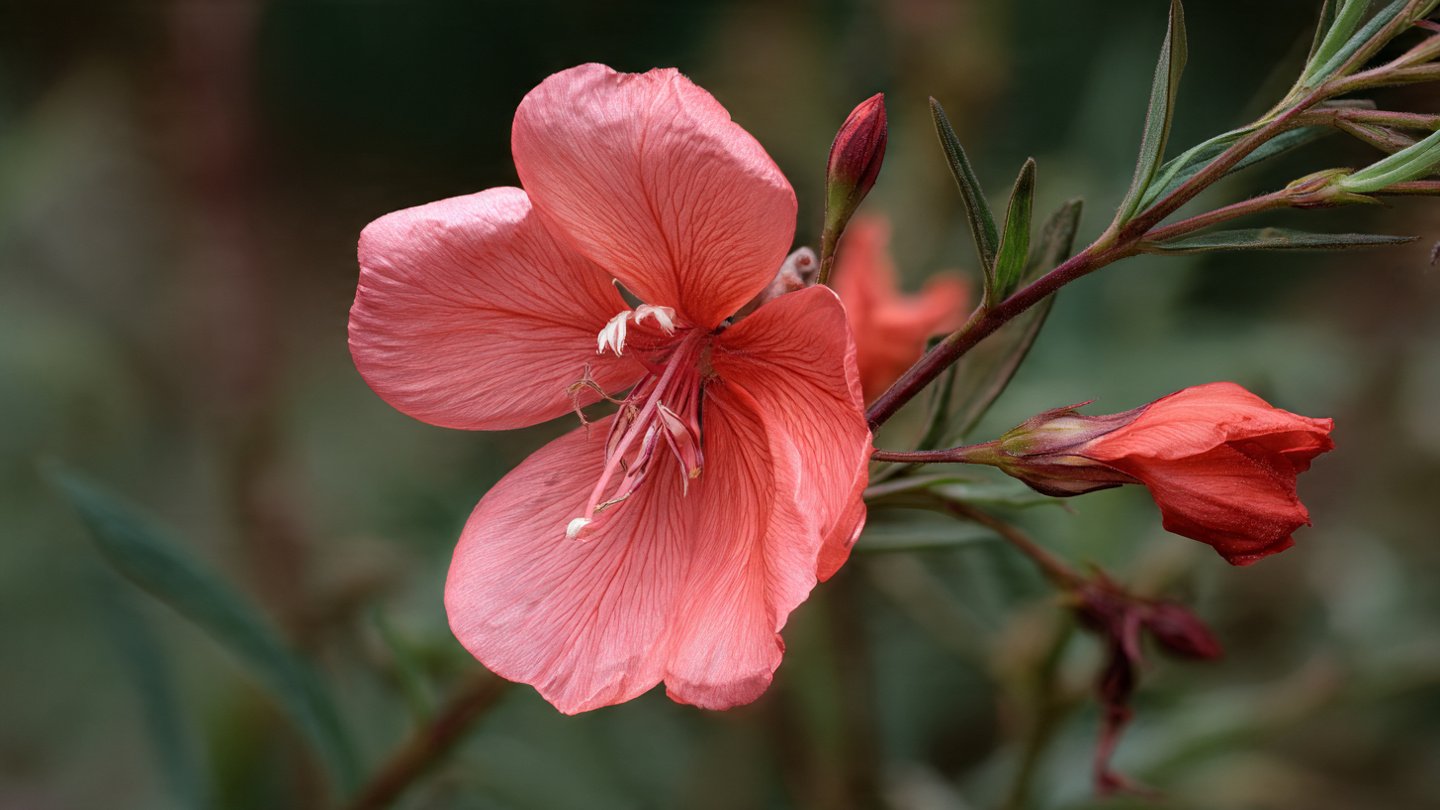
Godetia, also known as Clarkia, is a beautiful flowering plant that adds vibrant colors to gardens throughout the summer months. With its delicate petals and easy-growing nature, Godetia is an excellent choice for gardeners of all skill levels. This guide will walk you through the process of cultivating Godetia from seed, ensuring that you can enjoy these lovely blooms in your outdoor space.
Understanding Godetia
Before delving into the growing process, it’s essential to understand the characteristics that make Godetia special. Native to the western United States, Godetia typically flourishes in open fields and meadows. The plant produces striking flowers in shades of pink, red, white, and purple, providing a cheerful addition to garden beds, borders, or even containers.
Godetia generally grows to a height of 12 to 36 inches, depending on the variety and growing conditions. The plant prefers full sun, well-drained soil, and moderate watering, making it a fantastic option for those who live in warmer climates.
Choosing the Right Seeds
When growing Godetia from seed, selecting the right type is crucial. Godetia comes in numerous varieties, such as:
- Godetia grandiflora: Known for large, vibrant blooms.
- Godetia amoena: Features smaller, delicate flowers with variegated colors.
- Godetia ‘Rose Chintz’: Offers pink blooms with a unique pattern.
You can purchase seeds from local garden centers or reputable online retailers. Always opt for fresh seeds to ensure better germination rates.
When to Plant Godetia Seeds
Timing your planting is essential for success. Godetia seeds can be sown directly outdoors after the last frost in your area, given that they prefer cool temperatures for germination. Generally, this means planting in late spring to early summer.
If you’re in a region with a shorter growing season, you can start your seeds indoors 6 to 8 weeks before the last frost, which allows you to transplant them outside once conditions are favorable.
Preparing the Soil
Healthy soil is the foundation for any successful garden. Godetia thrives in well-drained, loamy soil enriched with organic matter. Here’s how you can prepare your soil for planting:
- Location: Choose a sunny spot that receives at least 6-8 hours of sunlight per day.
- Testing: Test your soil for pH. Godetia prefers slightly acidic to neutral soil, between 6.0 and 7.0 pH.
- Amending: If needed, amend your soil with organic compost or well-rotted manure to improve its structure and nutrient content.
- Tilling: Till the soil to a depth of about 12 inches, breaking up any clumps and removing rocks or debris.
Sowing Seeds
Once your soil is prepared, it’s time to sow the seeds. Here’s how to do this effectively:
- Spacing: Create furrows or rows in your prepared soil, allowing a spacing of 12-24 inches between plants based on the variety you are planting.
- Sowing Depth: Plant seeds about 1/4 to 1/2 inch deep, covering them lightly with soil.
- Watering: Water gently after sowing to settle the soil around the seeds but avoid oversaturating. Moisture is crucial for germination.
Indoor Seed Starting (Alternative Method)
If starting indoors:
- Use seed trays filled with seed-starting mix.
- Sow the seeds at the same depth as outdoor planting.
- Place trays in a warm, bright location or under grow lights.
- Keep the soil consistently moist but not soggy.
- Once seedlings have two true leaves, harden them off—a process that involves gradually acclimating them to outdoor conditions—before transplanting to the garden.
Caring for Godetia
Once the seeds have germinated (generally within 1-3 weeks), you’ll need to provide ongoing care to ensure the plants thrive.
Watering
Watering is a crucial aspect of Godetia care. The plants prefer moderately moist soil. Here’s how to balance your watering routine:
- Young Plants: Keep the soil consistently moist but allow it to dry out slightly between watering.
- Established Plants: Water deeply but infrequently, ensuring that roots receive adequate hydration.
- Avoid Waterlogging: Make sure your soil drains well to avoid root rot.
Fertilization
While Godetia can thrive without heavy fertilization, adding nutrients can boost growth and blooms:
- Type: Choose a balanced fertilizer, such as a 10-10-10 blend.
- Timing: Apply the fertilizer about four weeks after germination and again as the flowers begin to form.
- Method: Follow package instructions for application rates, ensuring not to over-fertilize, which can lead to excessive foliage at the expense of flowers.
Pruning and Deadheading
To encourage more blooms:
- Deadheading: Remove spent flowers promptly to prolong the blooming period and encourage further flower production.
- Pruning: Lightly prune any leggy or unhealthy growth with clean scissors or shears to promote fuller plant growth.
Pest and Disease Management
Godetia is relatively resistant to pests and diseases, but it’s wise to keep an eye out for common issues:
- Pests: Watch for aphids, spider mites, or whiteflies. Use insecticidal soap or neem oil for treatment.
- Disease: Powdery mildew can occur in humid conditions. Improve air circulation around plants and avoid wetting foliage when watering.
Harvesting Seeds
If you wish to save seeds for next year, allow some flowers to mature fully after blooming. Here’s how to harvest seeds properly:
- Maturity: Wait until the seed pods are dry and brown.
- Collection: Cut the pods and crumple them gently to release the seeds.
- Storage: Store seeds in a cool, dry place in labeled envelopes for future planting.
Troubleshooting Common Issues
Even with proper care, you may encounter some challenges. Here are solutions to common issues:
- Poor Germination: Ensure seeds are fresh and provide the right soil conditions. Too much or too little moisture can impact germination.
- Leggy Growth: Insufficient light may lead to leggy plants. Ensure Godetia receives adequate sunlight.
- Sparse Blooms: Consider soil nutrients, light, and watering consistency as contributing factors.
Summary
Growing Godetia from seed is a straightforward and rewarding endeavor for any gardener. By choosing the right seeds, preparing your soil diligently, and providing care through watering, fertilization, and pest management, you can create a vibrant display of blooms that will enhance your garden landscape. With patience and attention, you’ll be enjoying these beautiful flowers in no time.
Happy gardening!