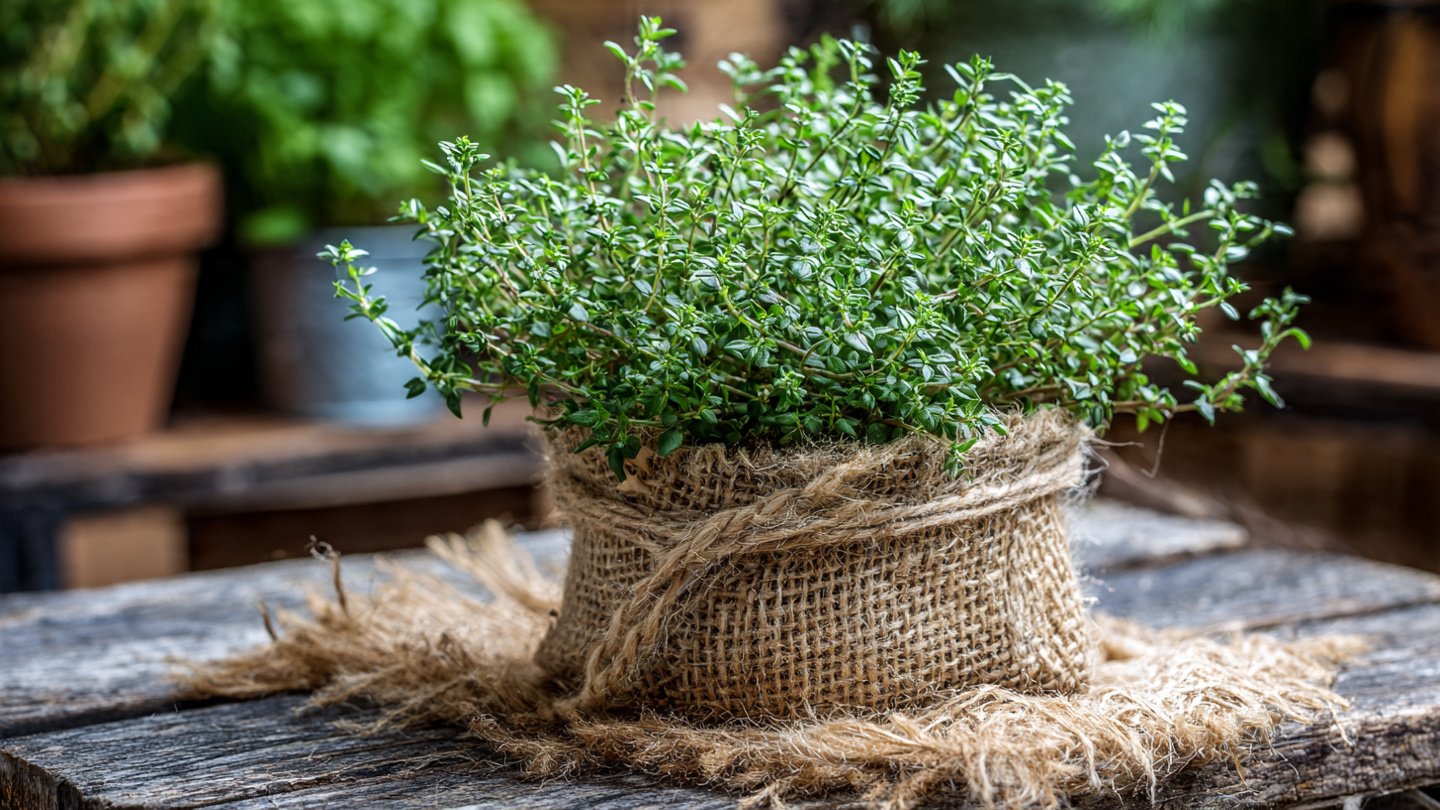
Can You Successfully Grow Thyme? Tips for Cultivating the Compact Bush Variety
Thyme, a popular culinary herb, has captured the hearts of gardeners and chefs alike for its aromatic, flavorful leaves and striking presence in gardens. Not only does it enhance a variety of dishes, but it’s also a low-maintenance plant that can thrive with minimal effort. Among the different varieties of thyme, the compact bush variety stands out for its bushy form and dense foliage. This article will delve into the essentials of successfully growing and cultivating compact bush thyme, offering tips on everything from soil preparation to pest management.
Understanding Thyme
Thyme (Thymus vulgaris) is a perennial herb belonging to the mint family. This versatile plant has a rich history in cooking and traditional medicine. It’s known for its robust flavor, often used in Mediterranean cuisine. Compact bush thyme, unlike its sprawling counterparts, tends to grow in a more controlled manner, making it an excellent choice for home gardeners with limited space.
Choosing the Right Variety
While there are numerous types of thyme, the most popular compact bush varieties include:
- English Thyme (Thymus vulgaris): Known for its classic flavor, it’s a hardy variety that is commonly used in cooking.
- French Thyme (Thymus vulgaris ‘azorica’): Offers a sweeter taste, ideal for culinary uses.
- Spanish Thyme (Thymus ziger): Also known for its culinary applications, it has a slightly different flavor profile.
When selecting seeds or seedlings, choose compact bush varieties to ensure a bushy, manageable growth habit.
Site Selection
A critical factor in successfully growing thyme is selecting the right site in your garden:
-
Sunlight: Thyme flourishes in full sun, requiring at least six to eight hours of direct sunlight daily. A sunny spot not only promotes healthy growth but also enhances the flavor of the leaves.
-
Soil Drainage: Thyme prefers well-draining soil. Heavy, clay soils should be amended with sand or organic matter to improve drainage. Raised beds can also be an effective solution, providing the desired drainage conditions.
Soil Preparation
Preparing the soil is vital for establishing healthy thyme plants:
-
pH Levels: Thyme prefers a slightly acidic to neutral pH level, ideally between 6.0 and 7.0. You can test the pH of your soil using a home testing kit.
-
Amending the Soil: Incorporate organic compost to improve nutrient content and drainage. While thyme doesn’t require excessive nutrients, a balanced organic matter will help establish strong roots.
-
Tilling: Loosen the soil to about 12 inches depth. This action aerates the soil, encourages root growth, and helps avoid issues associated with compacted soil.
Planting Thyme
Once your soil is prepared, it’s time to plant your compact bush thyme:
-
Timing: The best time to plant thyme is in the spring after the last frost. If you live in a warmer climate, fall planting is also a viable option.
-
Spacing: When planting multiple thyme plants, ensure they are spaced about 12 inches apart. This spacing allows for air circulation, reducing the risk of fungal diseases.
-
Plant Depth: When transplanting seedlings, ensure that the crown of the plant is level with the soil surface. Avoid burying the stems, as this can lead to rot.
Watering Practices
Thyme is a drought-tolerant herb, making it ideal for low-maintenance gardens. However, proper watering in the initial establishment phase is crucial:
-
Initial Watering: After planting, water the thyme deeply, allowing the soil to soak. During the first few weeks, keep the soil slightly moist to promote root growth.
-
Ongoing Watering: Once established, thyme prefers dry conditions. Water sparingly; typically, once every two weeks is adequate. Monitor the soil moisture by checking the top inch of soil—if it feels dry, it’s time to water.
Fertilization
Thyme has modest nutrient requirements. In most cases, additional fertilization isn’t necessary; however, here are a few tips:
-
Organic Fertilizer: If your soil is poor, you might consider an organic fertilizer high in potassium and low in nitrogen. This can promote better flavor and aroma.
-
Timing: Fertilize in early spring to give your plant a boost during the growing season.
Pruning and Maintenance
Regular maintenance will aid in healthy growth and longevity:
-
Pruning: To encourage bushy growth, prune your thyme plants in late spring, removing up to one-third of the plant. This practice not only maintains the shape but also improves air circulation.
-
Deadheading: After flowering, it’s advisable to remove the spent flowers. This not only keeps the plant looking tidy but also redirects energy to leaf growth instead of seed production.
Pest and Disease Management
Thyme is generally resistant to pests and diseases, but it’s still important to monitor for issues:
-
Common Pests: Watch out for aphids, spider mites, and whiteflies. If you notice an infestation, you can use insecticidal soap or neem oil as a natural treatment.
-
Fungal Diseases: Overwatering or poor soil drainage can lead to root rot or mildew. Ensure proper watering practices and good air circulation to mitigate these risks.
-
Weed Control: Weeds can compete with your thyme for nutrients and water. Regularly check your planting area and remove any weeds by hand, particularly around the base of the plants.
Harvesting Thyme
Harvesting thyme not only provides fresh herbs for your kitchen but also encourages further growth:
-
Timing: The best time to harvest thyme is just before it flowers, as the leaves are most flavorful at this stage.
-
Method: Use sharp scissors or pruners to cut stems, ensuring you leave at least a third of the plant intact to allow for continued growth.
-
Storage: Fresh thyme can be stored in the refrigerator for about a week. For longer storage, consider drying it by hanging bundles upside down in a dark, dry place.
Companion Planting
Thyme can thrive alongside various plants, making it an excellent choice for companion planting:
-
Vegetables: Thyme pairs well with potatoes, tomatoes, and cabbage. Its aromatic qualities can help deter certain pests that may affect these crops.
-
Other Herbs: Thyme works well with rosemary, basil, and oregano, enhancing overall growth and flavor while minimizing pest issues.
Growing Thyme in Containers
For those with limited space, thyme can successfully thrive in containers:
-
Container Selection: Choose a pot with good drainage holes. A 6- to 8-inch diameter pot works well for compact bush varieties.
-
Soil: Use a well-draining potting mix, supplemented with sand or perlite to enhance drainage.
-
Placement: Position your container in a spot where it can enjoy full sun, and follow the same watering and care instructions as you would for garden-planted thyme.
Troubleshooting Common Issues
Even with careful planning, you may still encounter challenges while growing thyme:
-
Leggy Growth: If your thyme plants appear leggy, it might not be receiving enough sunlight. Ensure they are getting at least six hours of direct sun.
-
Yellowing Leaves: This could indicate overwatering or nutrient deficiency. Adjust your watering practices and consider testing your soil for pH and nutrient levels.
-
Poor Flavor: If the flavor of your thyme isn’t as strong as expected, it could be due to insufficient sunlight or excessive nitrogen from fertilization.
Conclusion
Successfully growing compact bush thyme is a rewarding endeavor for both novice and experienced gardeners. With the right conditions—sunlight, well-drained soil, and proper care—you can cultivate this aromatic herb in your own backyard. Whether you’re enhancing your culinary creations or creating a fragrant garden space, thyme will undoubtedly add value and joy to your gardening experience. By implementing the tips outlined in this article, you will be well on your way to enjoying a bountiful harvest of fresh thyme for years to come.