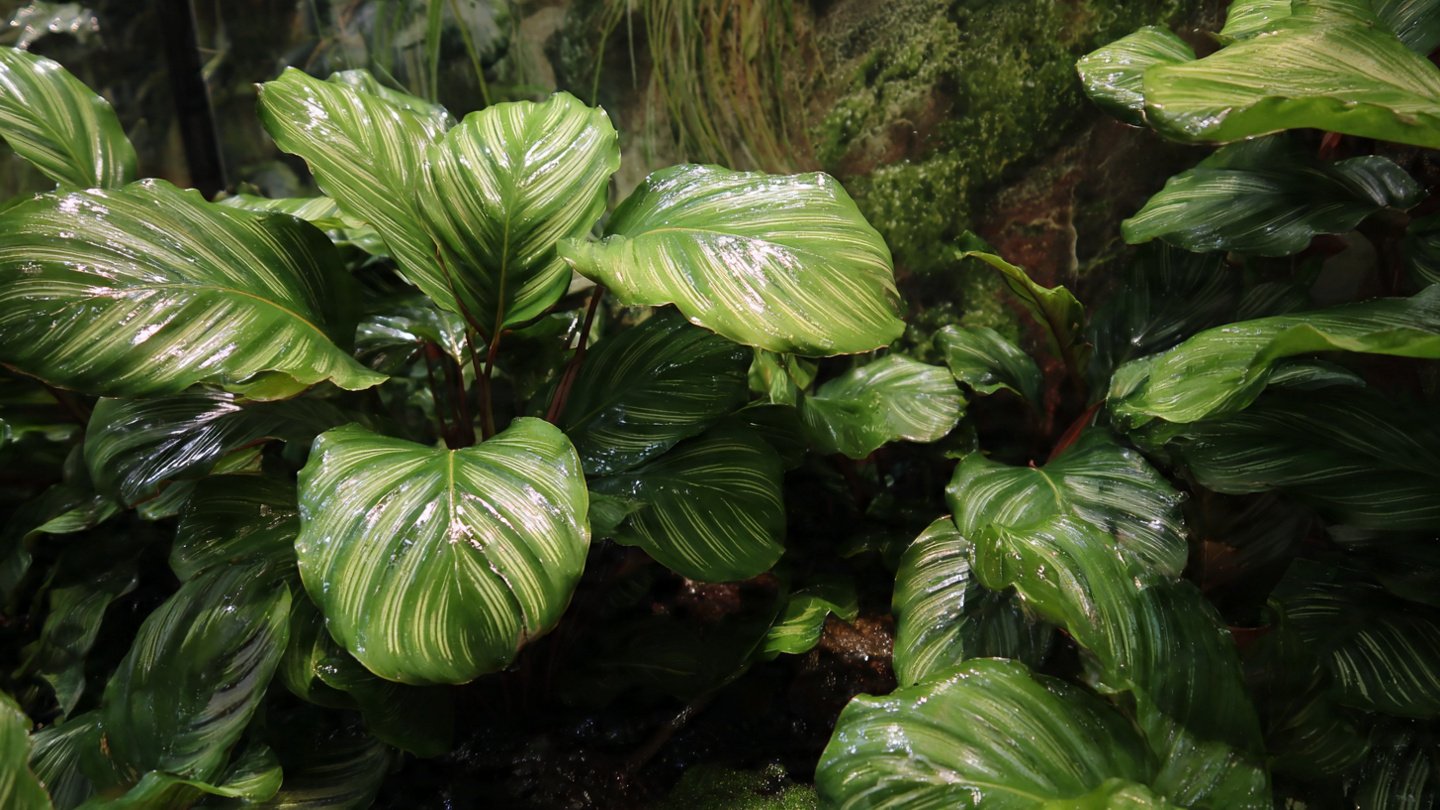
Calathea plants, known for their vibrant foliage and intricate leaf patterns, are beloved houseplants that thrive in humid environments. Originating from tropical regions of South America, these plants not only bring a touch of nature indoors but also serve as a reminder of the lush conditions of their native habitat. If you want to grow Calathea successfully in a home or office setting, understanding their specific humidity requirements is crucial. This article explores the best methods for growing Calathea in humidity, ensuring your plant thrives and showcases its stunning leaves.
Understanding Calathea
Types of Calathea
Calathea encompasses numerous species, including Calathea orbifolia, Calathea medallion, and Calathea zebrina. Each variety has unique patterns and colors, but the basic care requirements remain consistent across species.
Humidity Needs
Calathea plants thrive in humidity levels between 50% and 70%. Low humidity can lead to browning edges, curling leaves, and stunted growth. Therefore, replicating their natural humid environment is essential for their overall health and vibrancy.
The Importance of Humidity
Humidity is vital for Calathea plants due to their origins in tropical climates, where moisture is abundant in the air. Here’s why maintaining adequate humidity is essential:
- Transpiration: Calathea leaves lose moisture through transpiration. Higher humidity helps slow this process, preventing dehydration.
- Nutrient Uptake: Moist air can enhance nutrient uptake through the leaves. In too dry an environment, they may struggle to absorb essential minerals.
- Pest Prevention: Higher humidity levels can deter pests like spider mites, which thrive in dry conditions.
Methods for Maintaining Humidity
Now that you understand the importance of humidity for growing Calathea, let’s explore effective methods to maintain the optimal humidity levels in your home.
1. Misting
One of the simplest ways to increase humidity around Calathea plants is by misting them regularly.
How to Mist Properly:
- Frequency: Misting should be done daily or every other day, especially in dry seasons.
- Water Quality: Use distilled or rainwater when misting, as tap water can contain minerals and chemicals that may harm the plant.
- Timing: Misting in the morning allows the leaves to dry before nighttime, reducing the risk of rot.
2. Utilizing Humidifiers
Humidifiers are a more efficient way to maintain consistent humidity levels, particularly in drier climates or during winter months.
Choosing the Right Humidifier:
- Type: Evaporative and ultrasonic humidifiers are popular choices. Evaporative models use a fan to blow moisture into the air, while ultrasonic ones create a fine mist.
- Capacity: Consider the size of the humidifier to ensure it can adequately humidify the space where the Calathea is located.
- Placement: Position the humidifier near the plant but not directly on it to prevent excess water accumulation on the leaves.
3. Grouping Plants
Grouping multiple houseplants can effectively increase humidity levels in their immediate surroundings.
Why Grouping Works:
- Transpiration: When plants transpire, they release moisture into the air. Grouping them creates a mini-humid ecosystem.
- Aesthetic Appeal: This method also enhances the visual appeal of your plant collection.
Tips for Grouping:
- Ensure the plants have similar light and water requirements.
- Create an arrangement that allows for good airflow to prevent mold growth.
4. Pebble Trays
Using a pebble tray is an excellent method for increasing humidity without requiring electrical equipment.
Creating a Pebble Tray:
- Materials: Use a shallow tray filled with pebbles and water.
- Placement: Set the Calathea pot on top of the pebbles (make sure the pot doesn’t sit directly in water).
- How It Works: As the water evaporates from the tray, it increases humidity around the plant.
5. Terrariums
If you’re passionate about creating a unique environment for your Calathea, consider growing it in a terrarium.
Benefits of Using a Terrarium:
- Humidity Control: Closed terrariums can maintain higher humidity levels naturally.
- Aesthetic: They offer a stylish way to display your plants while creating a microclimate.
What to Include:
- Substrate: Use a well-draining soil mix suitable for Calathea.
- Cover: Ensure that the terrarium has a glass cover to keep moisture in.
6. Bathroom or Kitchen Placement
Placing Calathea in naturally humid areas, like bathrooms or kitchens, can provide the necessary moisture without much extra effort.
Considerations:
- Ensure there is enough natural light for the plant to thrive.
- Be cautious about water splashes that could lead to rot.
7. Avoiding Drafts and Heating Sources
Calathea is sensitive to temperature changes and dry air from heating or cooling vents.
Placement Tips:
- Keep your Calathea away from doors, windows, and vents to prevent sudden temperature fluctuations.
- Ideally, maintain a stable environment with temperatures between 65°F and 80°F.
Routine Care for Calathea
While humidity is crucial, maintaining proper care routines is equally important. Here are key care practices to follow:
Watering
Calathea prefers consistently moist soil, so water it when the top inch of soil feels dry.
- Signs of Underwatering: Droopy leaves or crispy edges indicate it’s time to water.
- Signs of Overwatering: Yellowing leaves or mold indicates too much water.
Soil
Use a well-draining soil mix that retains some moisture but prevents root rot.
- Best Mix: A blend of potting soil, peat moss, and perlite works well for Calathea.
Fertilization
During the growing season (spring and summer), or about once a month, fe d your Calathea with a liquid fertilizer diluted to half-strength.
- Choose Organic: Look for organic fertilizers free of harmful chemicals.
Light Requirements
Calathea thrives in bright, indirect light. Too much direct sunlight can scorch the leaves, while too little can cause dark, limp leaves.
- Ideal Location: A north or east-facing window is usually perfect for these plants.
Pest Management
Monitor your Calathea for signs of pests such as spider mites or aphids.
- Treatment: Use insecticidal soap or neem oil if pests are detected. Regularly wiping the leaves with a damp cloth can also deter pests.
Conclusion
Successfully growing Calathea in humidity involves understanding the plant’s needs and creating an environment that mimics its natural habitat. By integrating the methods outlined in this article—ranging from misting and humidifiers to terrariums and proper care practices—you can ensure your Calathea remains vibrant and healthy.
With patience and attention, you can enjoy the beauty of these stunning plants for years to come, adding a lush, tropical feel to your home. Embrace the joy of nurturing your Calathea, and watch as it flourishes in the proper humidity, rewarding you with its exquisite foliage. Happy planting!