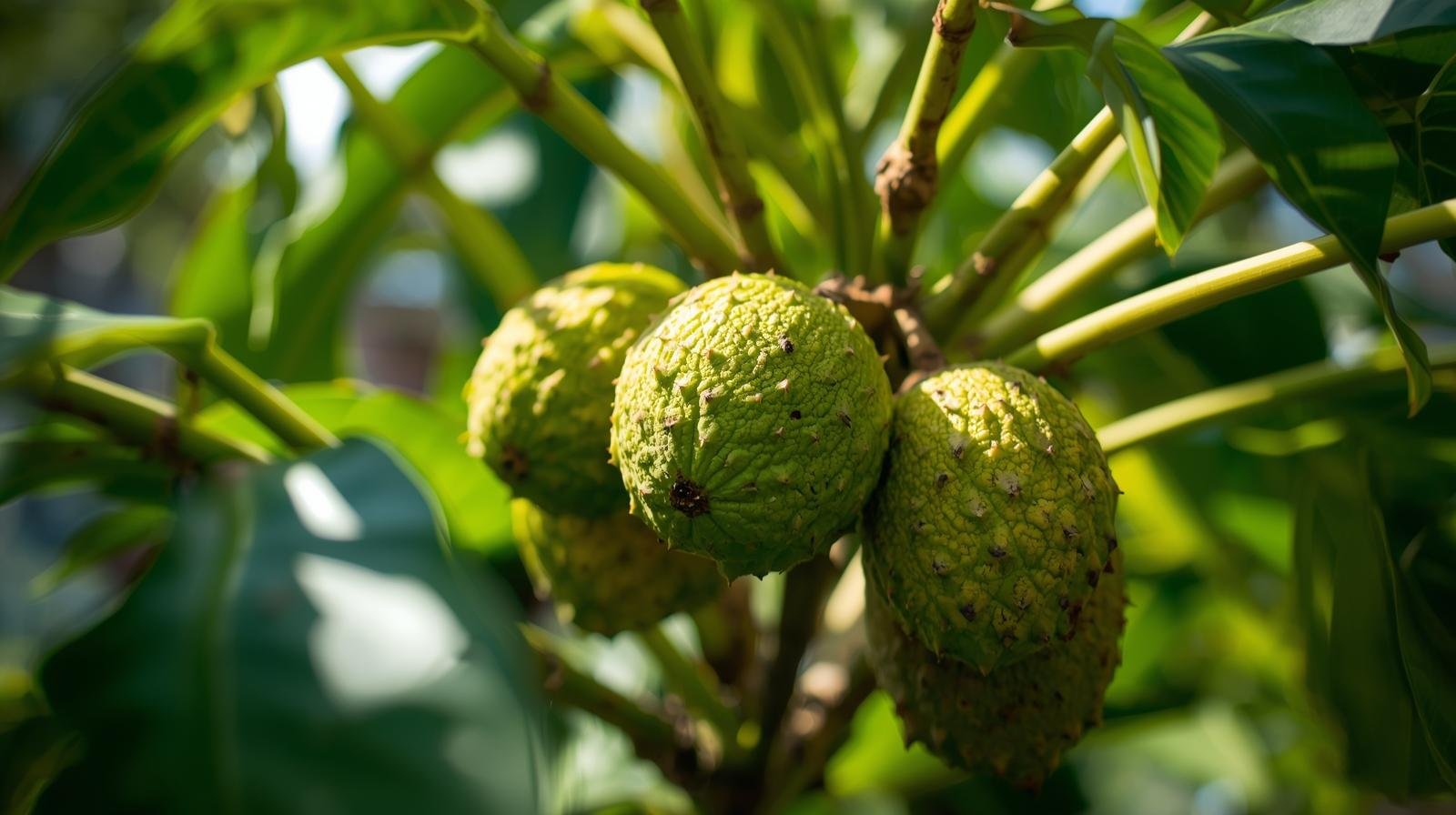
Introduction to Home Soursop Cultivation
Soursop is a tropical fruit tree known for its unique flavor and health benefits. Growing it at home allows gardeners to enjoy fresh fruits while adding a lush tropical appearance to their garden.
Choosing the Right Soursop Seeds or Plant
Fresh seeds or grafted plants are suitable for home cultivation. Grafted plants fruit earlier, while seed-grown trees develop stronger roots.
Climate and Sunlight Requirements
Soursop thrives in warm climates with high humidity. Full sunlight encourages vigorous growth and fruit production.
Container or Ground Planting
Young soursop plants can be grown in containers before being transferred to open soil. Containers help manage early growth conditions.
Soil Preparation for Strong Roots
Well-drained, fertile soil enriched with organic compost supports healthy root development and nutrient uptake.
Planting Technique
Seeds or saplings should be planted at proper depth. Gentle watering helps settle soil around the roots.
Watering Practices
Regular watering maintains soil moisture. Overwatering should be avoided to prevent root diseases.
Nutrient Management for Growth
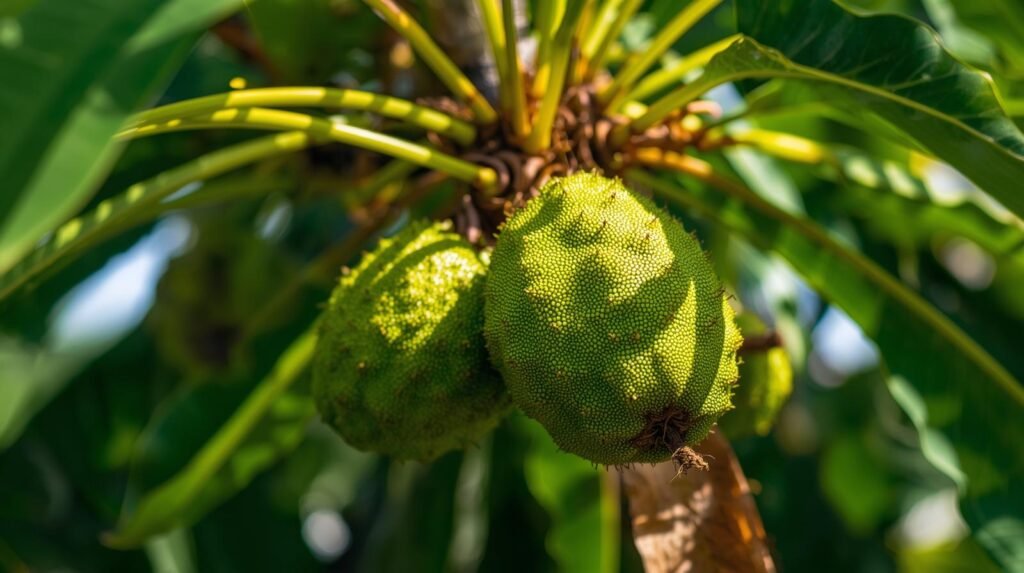
Balanced fertilization supports leaf growth, flowering, and fruit development throughout the year.
Pruning and Canopy Control
Light pruning removes weak branches and improves airflow, reducing disease risk.
Pest and Disease Control
Common pests include aphids and scale insects. Organic pest control methods maintain plant health.
Flowering and Fruit Development
Healthy plants flower under stable conditions. Stress-free growth improves fruit size and quality.
Harvesting and Long-Term Maintenance
Soursop fruits are harvested when mature but still firm. Proper care ensures long-term productivity.
Soursop Growing Method Comparison Table
| Method | Fruiting Time | Plant Size | Yield |
|---|---|---|---|
| Seed-Grown Method | Late | Large | Moderate |
| Grafted Method | Early | Manageable | High |