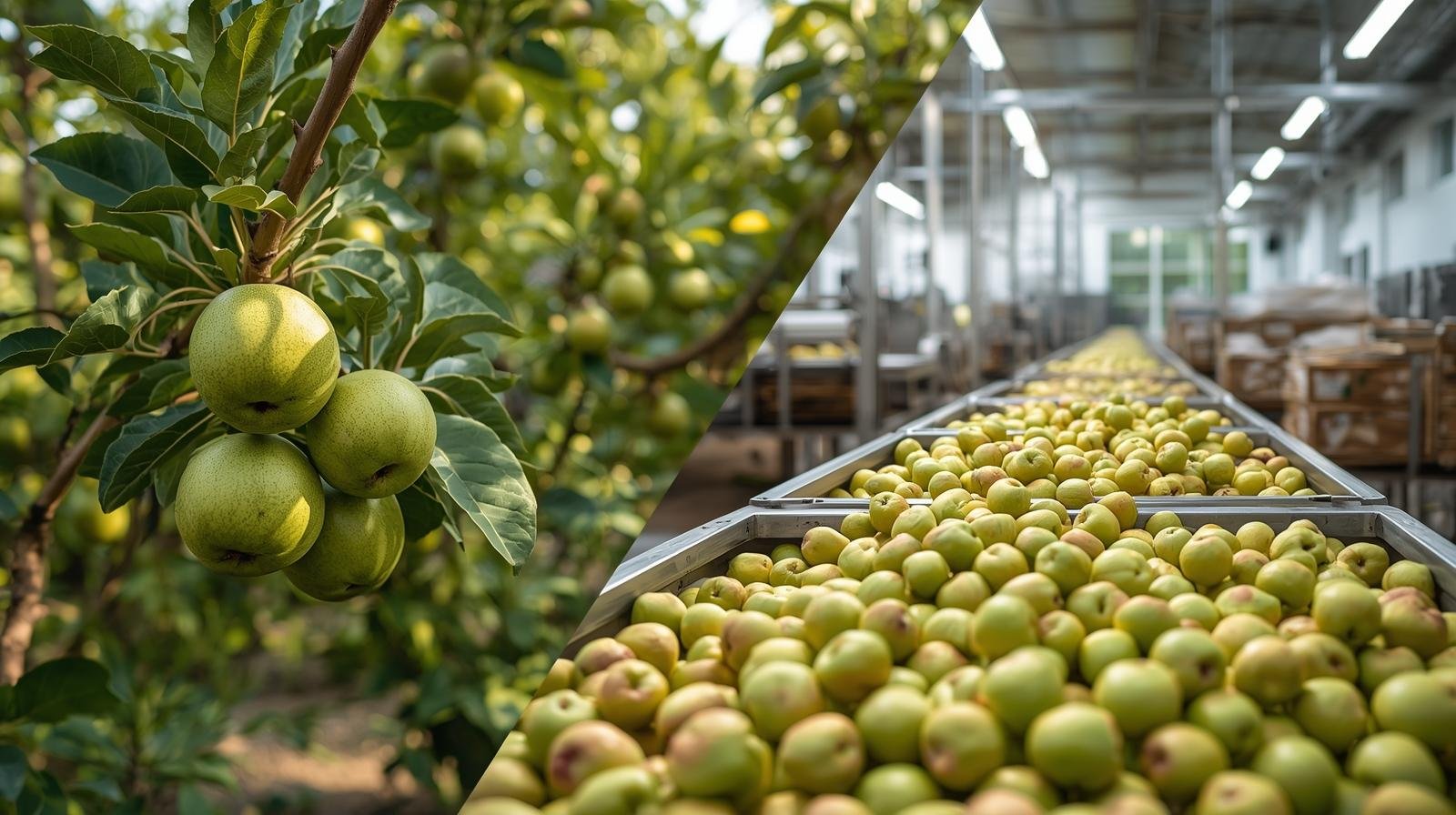
Custard apple, also known as Annona squamosa or sugar apple, is a tropical fruit prized for its creamy texture and sweet flavor. Its popularity has grown globally due to nutritional benefits, including high vitamin C, potassium, and dietary fiber. Understanding global production trends provides insights into food supply, trade, and agricultural investment. Farmers and exporters monitor production statistics to optimize cultivation and meet growing international demand. Custard apple production depends on climate, soil, and farming methods. This article explores which country leads globally and why.
Nutritional Value and Health Benefits
Custard apples are rich in antioxidants, essential vitamins, and minerals. They support heart health, digestion, and immunity. The fruit is low in fat but provides natural sugars and energy. Regular consumption aids in controlling blood pressure and improving skin health. Nutritional value drives demand both domestically and internationally. Health-conscious consumers favor custard apple-based products. Understanding its benefits explains why global production is increasing.
Historical Background of Custard Apple Cultivation
Custard apples originated in tropical Americas and spread to Asia and Africa through trade routes. Selective breeding improved fruit size, sweetness, and resistance to pests. Traditional cultivation focused on domestic consumption, while modern techniques support commercial farming. Climate adaptation influenced cultivation success in different regions. Historical practices continue to guide contemporary methods. Knowledge of history provides context for current production trends.
Global Custard Apple Market
The global custard apple market is growing steadily. High demand in India, Southeast Asia, and parts of Africa drives cultivation. Processed products, such as pulp, smoothies, and desserts, contribute to economic growth. Export markets require high-quality fruits with consistent taste and texture. Large-scale producers are investing in mechanization and post-harvest technologies. Market dynamics are influenced by consumer awareness and dietary trends. Understanding supply and demand helps forecast production.
Factors Influencing Custard Apple Production
Successful cultivation depends on temperature, rainfall, soil fertility, and irrigation practices. Custard apple trees prefer tropical climates with well-draining soils. Fertilization improves fruit yield and quality. Pest and disease management ensures sustainable production. Climate variability can impact flowering and fruit set. Farmers employ modern techniques to maximize output. Environmental factors and technology together determine production levels.
Top Custard Apple Producing Countries
Several countries contribute to global production, including India, the Philippines, and Vietnam. Among them, India is the largest producer, accounting for a significant portion of global supply. Favorable climate, extensive farmland, and traditional expertise boost output. Small-scale farmers and commercial plantations both contribute to production. India’s custard apples are exported to the Middle East, Europe, and Southeast Asia. Large-scale production ensures market stability.
Why India Leads in Production
India’s dominance arises from its tropical climate, fertile soils, and favorable rainfall. States like Maharashtra, Andhra Pradesh, Tamil Nadu, and Kerala are major contributors. Traditional knowledge of cultivation techniques aids high yields. Government support and access to irrigation infrastructure enhance productivity. Hybrid varieties improve fruit size, sweetness, and disease resistance. Investment in post-harvest facilities ensures quality for both domestic and export markets. India’s leadership is a combination of natural and technological advantages.
Popular Varieties of Custard Apple
Different varieties are cultivated to meet local and global demands. Varieties like Sitaphal, Balanagar, and Red Sitaphal are popular in India. Hybrid varieties focus on size, sweetness, and pulp quality. Choice of variety influences flowering, yield, and market price. Farmers select varieties based on climate adaptation. Consistency and uniformity in fruits support commercial sale. Variety selection is crucial for both yield and consumer satisfaction.
Planting Techniques for Custard Apple Trees
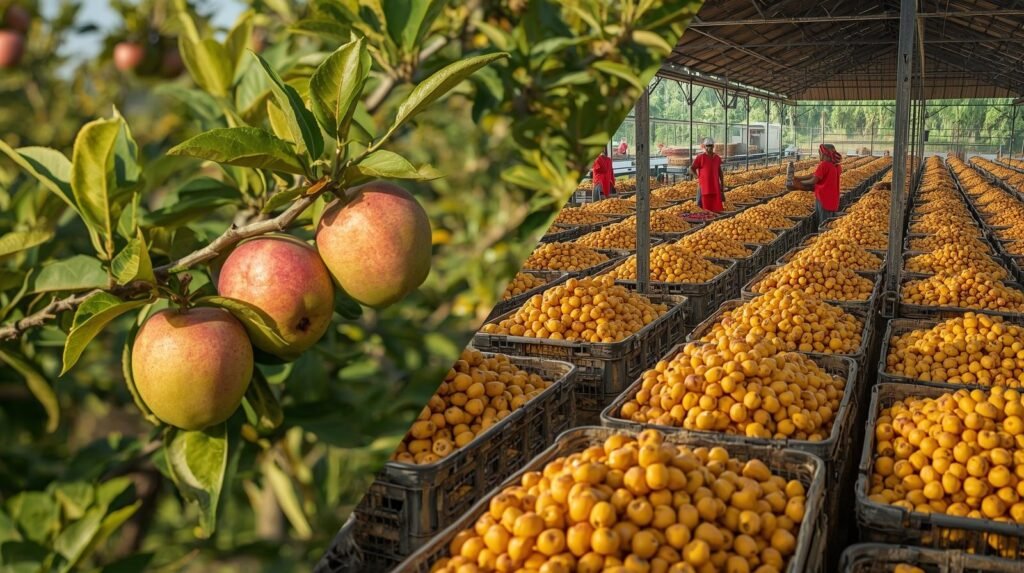
Proper planting ensures optimal growth and fruiting. Trees are generally propagated through seeds, grafting, or tissue culture. Adequate spacing prevents overcrowding and allows air circulation. Soil preparation with organic manure supports root establishment. Irrigation is applied after planting to encourage strong growth. Early care influences flowering and fruit set. Correct planting techniques reduce mortality and improve long-term production.
Watering Requirements
Custard apple trees require regular watering during dry periods but can tolerate occasional drought. Overwatering can harm roots and reduce fruit quality. Young plants need consistent moisture to establish, while mature trees are more resilient. Drip irrigation is effective for water conservation. Mulching reduces evaporation and stabilizes soil moisture. Monitoring soil moisture ensures proper hydration. Water management is critical for healthy trees and optimal yield.
Fertilization for Maximum Yield
Fertilizing custard apple trees enhances flowering, fruit size, and quality. Balanced application of nitrogen, phosphorus, and potassium supports growth. Organic compost improves soil fertility. Fertilizer schedules vary depending on tree age and soil conditions. Regular feeding ensures continuous fruiting and healthy leaves. Proper nutrition reduces susceptibility to pests and diseases. Fertilization practices directly influence marketable fruit quantity.
Pest and Disease Management
Custard apple trees are vulnerable to pests such as mealybugs, aphids, and fruit borers. Fungal infections may also affect leaves and fruits. Integrated pest management, including organic and chemical methods, is recommended. Regular inspection and prompt treatment prevent spread. Maintaining tree health through proper care reduces vulnerability. Safe practices ensure quality fruits. Effective pest management is vital for high yield and profitability.
Harvesting Techniques
Fruits are harvested when fully mature, typically indicated by soft, easily detachable segments. Manual harvesting reduces fruit damage. Harvesting at the right time ensures flavor, sweetness, and shelf-life. Post-harvest handling involves cleaning and sorting. Careful transport minimizes bruising. Timely harvesting maintains quality for domestic and export markets. Proper techniques maximize profit and reduce losses.
Post-Harvest Handling and Storage
Post-harvest handling ensures freshness and reduces spoilage. Fruits are stored in cool, ventilated areas. Packaging protects from damage during transport. Controlled temperature storage extends shelf life for export. Processing into pulp, juice, or jams adds value. Proper handling improves market acceptance and profitability. Quality control ensures consumer satisfaction. Storage and post-harvest care are critical components of production.
Export and Trade Trends
India exports custard apples to the Middle East, Europe, and Southeast Asia. International demand is increasing due to growing awareness of health benefits. Trade requires adherence to quality and phytosanitary standards. Export revenue supports farmers and regional economies. Supply chains must ensure timely delivery. Strategic marketing enhances competitiveness. Export opportunities encourage sustainable production.
Economic Importance
Custard apple cultivation contributes to income generation for small farmers. Large-scale commercial plantations enhance rural employment. Domestic and export markets drive economic growth. Government support programs provide incentives for quality production. Value addition through processing increases profitability. Custard apple farming strengthens local economies. The fruit’s popularity ensures long-term demand and financial sustainability.
Environmental Considerations
Sustainable cultivation practices protect soil, water, and biodiversity. Organic farming reduces chemical use. Integrated farming methods improve environmental balance. Mulching, drip irrigation, and natural pest control conserve resources. Environmental stewardship ensures long-term productivity. Responsible farming supports both ecology and economy. Green practices are increasingly prioritized by global buyers.
Common Challenges in Production
Challenges include erratic rainfall, pest outbreaks, and soil nutrient depletion. Climate change can impact flowering and fruit set. Transport and storage logistics affect marketability. Competition from other producing countries can influence prices. Investment in technology mitigates many risks. Awareness and preparation help maintain consistent supply. Farmers must adapt to changing conditions.
Future Trends in Custard Apple Farming
Future trends focus on hybrid varieties, organic farming, and mechanization. Precision farming techniques increase yield and efficiency. Value-added processing expands market potential. Climate-resilient varieties will secure sustainable production. Global demand is expected to rise steadily. Innovation and technology adoption ensure leadership in production. Forward-looking practices enhance both profitability and sustainability.
Custard Apple Production Summary Table
| Aspect | Key Details |
|---|---|
| Largest Producer | India |
| Popular Varieties | Sitaphal, Balanagar, Red Sitaphal |
| Export Destinations | Middle East, Europe, Southeast Asia |
| Key Factors | Climate, soil, irrigation, fertilization |
| Market Drivers | Nutrition trends, domestic and international demand |
Conclusion
India remains the largest custard apple producer worldwide due to favorable climate, expert cultivation techniques, and strong domestic and export demand. Sustainable farming, post-harvest handling, and modern techniques ensure quality and profitability. Understanding global production trends helps stakeholders make informed decisions. Custard apple cultivation is both economically significant and nutritionally valuable. With continued innovation, India is set to maintain its global leadership in custard apple production.