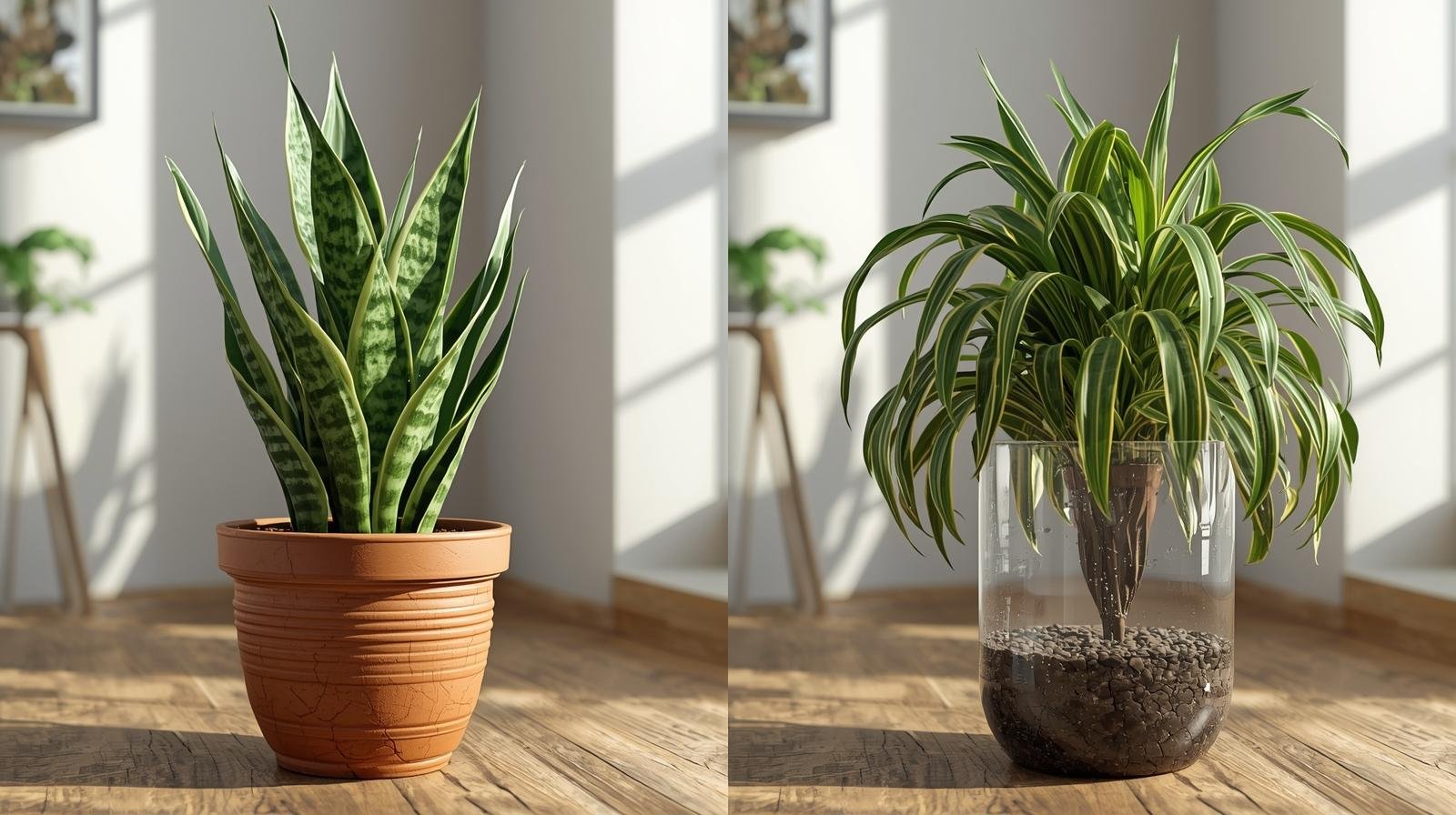
Snake plants, also known as Sansevieria or mother-in-law’s tongue, are among the easiest indoor plants to maintain. They thrive in low light, tolerate neglect, and improve indoor air quality. However, watering is the most critical aspect to prevent root rot or stress. Understanding how often to water depends on plant size, potting mix, season, and indoor climate. Overwatering is the leading cause of snake plant death. This guide provides expert advice for watering schedules, techniques, and seasonal adjustments.
Why Watering Is Crucial
Watering affects root health, leaf growth, and overall plant vitality. Too little water can lead to brown, dry leaf tips, while overwatering causes root rot. Snake plants store water in their leaves, making them drought-tolerant. Monitoring soil moisture ensures proper hydration without harming the plant. Correct watering encourages strong, upright leaves. Understanding the plant’s needs prevents common mistakes. Watering frequency must balance dryness and saturation.
Ideal Soil for Water Retention
Well-draining soil is essential for snake plants. A mix of potting soil, sand, and perlite allows water to pass freely. Avoid heavy, moisture-retentive soils that trap water. Proper soil reduces root rot risk and supports long-term growth. Container choice also affects drainage. Soil quality and composition influence watering frequency. Healthy soil ensures balanced hydration.
Watering Frequency in Different Seasons
Snake plants require less water during winter when growth slows. During active growth in spring and summer, watering can be more frequent. Typically, watering once every 2–4 weeks is sufficient, depending on humidity and temperature. Always check soil moisture before watering. Seasonal adjustment prevents overwatering or dehydration. A consistent approach ensures plant health year-round.
Checking Soil Moisture
The best way to know when to water is by checking soil moisture. Insert a finger 2–3 inches deep; if dry, it’s time to water. Use moisture meters for precision in larger pots. Avoid relying on surface appearance alone. Accurate assessment prevents root damage. Observing soil conditions develops good watering habits. Soil checks are simple yet effective.
Watering Techniques
When watering, pour water slowly around the base to saturate the root zone. Avoid wetting leaves to reduce fungal risks. Ensure excess water drains through the pot’s drainage holes. Use room-temperature water to prevent shock. Water evenly, not excessively. Correct technique maintains soil health and promotes leaf turgidity. Proper watering reduces disease risk.
Container Considerations
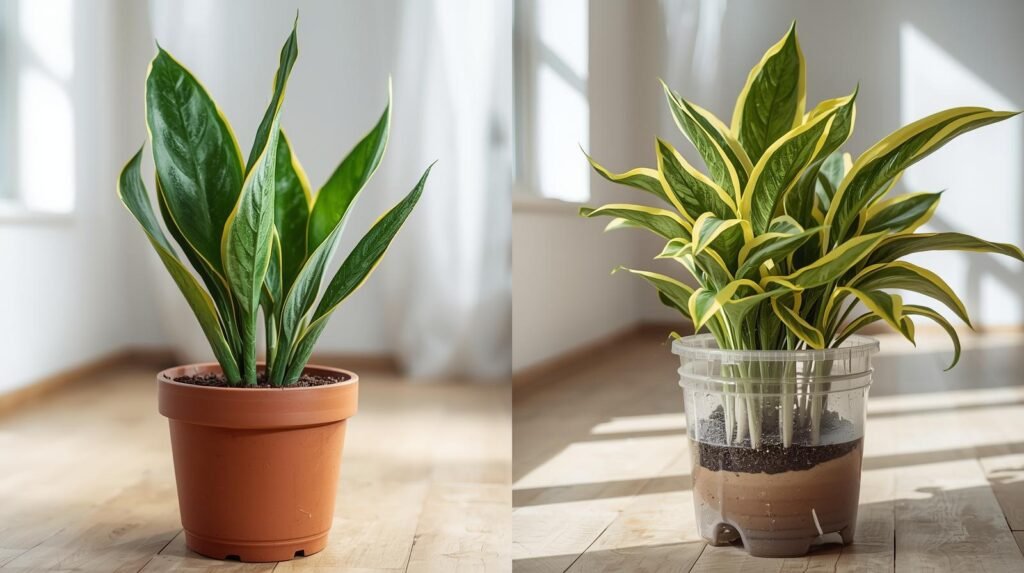
Pot type affects water retention and drainage. Terracotta pots absorb excess moisture, reducing overwatering risk. Plastic pots retain moisture longer; watering frequency should be adjusted accordingly. Ensure pots have drainage holes to avoid standing water. The right container complements watering routine. Pot size influences soil drying rate. Container choice is a critical factor in hydration management.
Signs of Underwatering
Underwatered snake plants exhibit dry, wrinkled, or curling leaves. Growth slows, and leaf tips turn brown. Leaves may droop or feel limp. Prompt watering corrects these symptoms. Consistent observation helps detect stress early. Adjusting watering frequency prevents long-term damage. Recognizing signs improves plant resilience.
Signs of Overwatering
Overwatered plants develop yellow leaves, soft bases, or root rot. Soil remains wet for extended periods. Foul odors indicate decay. Roots may become black or mushy. Overwatering is more common than underwatering. Immediate action includes reducing watering and improving drainage. Early detection saves the plant. Monitoring leaves and soil is essential.
Watering Young Plants
Young snake plants have smaller root systems and require careful hydration. Water sparingly to avoid saturation. Ensure soil dries between watering sessions. Overwatering can stunt growth or kill seedlings. Gradually increase water as the plant matures. Young plant care sets the foundation for a healthy adult plant. Attention to detail ensures long-term success.
Watering Mature Plants
Mature snake plants can tolerate longer periods without water. Their fleshy leaves store water efficiently. Watering once a month may suffice in moderate indoor climates. Adjust based on environmental factors. Older plants are less sensitive to minor neglect. Understanding growth stage informs watering schedule. Mature plant resilience allows flexibility.
Humidity and Indoor Environment
Snake plants tolerate low humidity but adjust watering if air is extremely dry. Central heating or air conditioning affects soil moisture. Place plants away from drafty areas. Increased humidity may reduce watering frequency. Environmental factors must guide hydration routines. Proper microclimate management supports plant health. Adaptation ensures longevity.
Winter Care Tips
Reduce watering significantly during winter. Growth slows, and excess moisture leads to root issues. Monitor soil moisture before each session. Avoid fertilizing in winter as it increases water demand. Winter care ensures survival until spring. Seasonal adaptation prevents common problems. A conservative approach is safest.
Fertilization and Watering
Fertilizer increases nutrient uptake, slightly raising water needs. Water thoroughly after applying diluted liquid fertilizer. Avoid fertilizing dry or overly wet soil. Balanced nutrition supports growth and strengthens leaves. Adjust watering to complement fertilization. Proper coordination prevents stress. Nutrient and hydration synergy improves health.
Potting and Repotting Considerations
Repotting may temporarily alter watering needs. Fresh soil retains more water initially. Monitor soil moisture carefully. Use a well-draining mix and avoid oversized pots. Correct timing prevents overwatering and stress. Repotting enhances root space and plant stability. Awareness maintains hydration balance.
Common Mistakes to Avoid
Watering too frequently, using heavy soil, or neglecting drainage are common errors. Ignoring seasonal changes can lead to over- or underwatering. Observing leaf and soil conditions prevents damage. Adjusting routines based on environment improves success. Consistency is key for healthy snake plants. Awareness reduces risk of failure.
Tips for Busy Plant Owners
For minimal maintenance, choose larger pots, allow longer intervals between watering, and use self-watering systems. Monitor soil occasionally for assurance. Snake plants are ideal for apartments and offices due to low water needs. Smart strategies simplify care. Convenience does not compromise plant health. Planning ensures thriving plants.
Snake Plant Care Summary Table
| Aspect | Recommendation |
|---|---|
| Watering Frequency | Every 2–4 weeks depending on season |
| Soil | Well-draining, sandy mix |
| Pot | Terracotta or plastic with drainage |
| Signs of Underwatering | Wrinkled, brown leaf tips |
| Signs of Overwatering | Yellowing, soft base, root rot |
Conclusion
Proper watering is the cornerstone of snake plant care. Adjust frequency based on season, soil, and pot type. Observing leaves and soil ensures optimal hydration. Overwatering is the most common threat; underwatering is less harmful. Following expert advice ensures healthy, long-lived plants. Snake plants thrive with minimal attention but benefit from careful observation. Mastering watering routines guarantees lush, resilient greenery indoors.