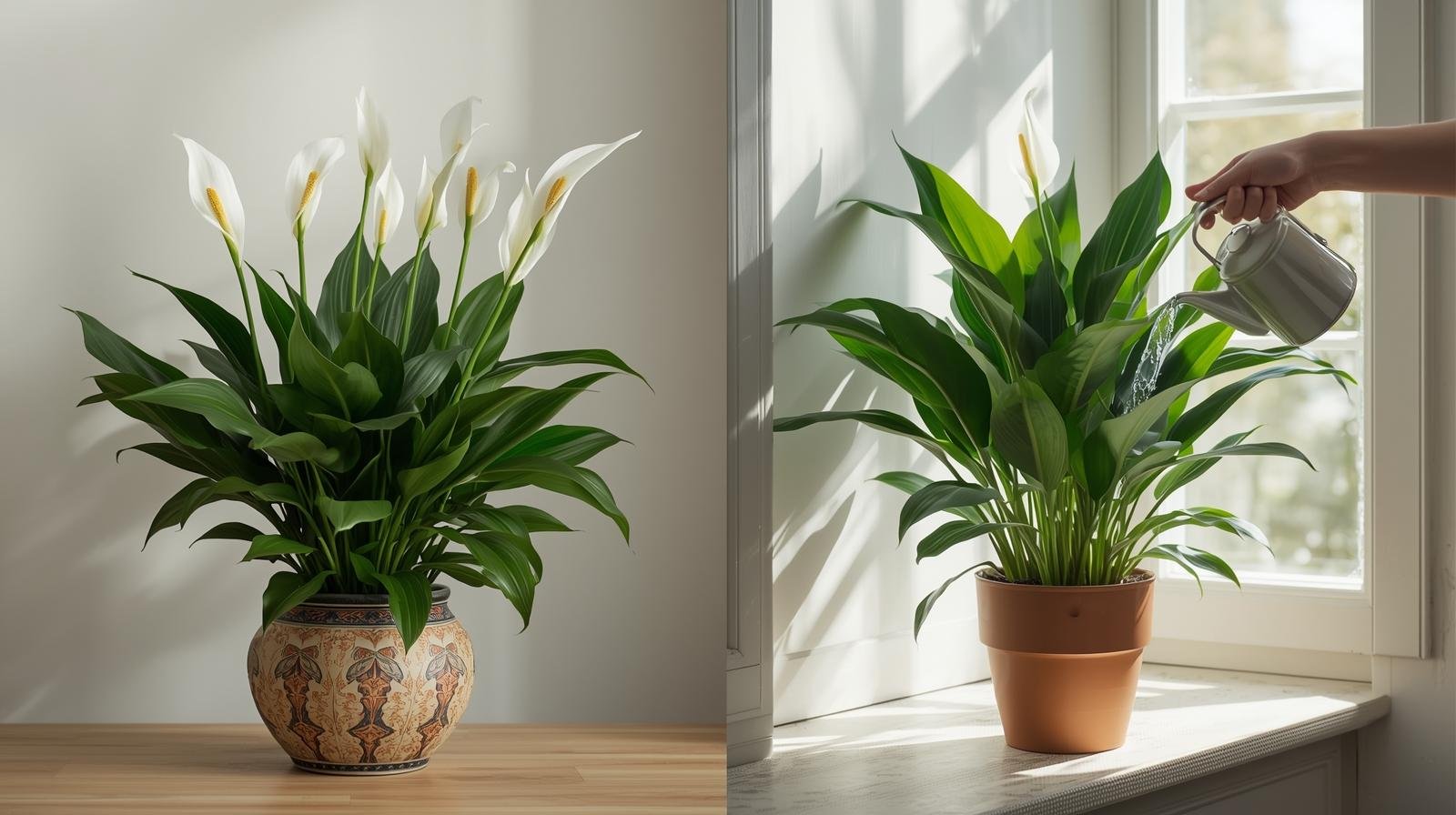
Peace lilies are among the most popular indoor plants due to their elegant white blooms, glossy green leaves, and air-purifying properties. They are easy to maintain and adapt well to indoor environments, making them ideal for homes and offices. Proper care ensures healthy foliage and continuous flowering. Many plant owners struggle to maintain blooms throughout the year, often due to watering, light, or fertilization issues. Understanding the growth requirements of peace lilies helps promote long-lasting blooms. This comprehensive guide provides step-by-step instructions to keep peace lilies vibrant indoors year-round.
Understanding Peace Lily Growth Requirements
Peace lilies thrive in moderate indoor temperatures between 65 to 80 degrees Fahrenheit. They prefer indirect sunlight and can tolerate low-light conditions, but insufficient light reduces blooming. High humidity levels improve growth and foliage health. Well-draining soil with a rich organic content promotes strong root development. Consistent watering ensures moisture without waterlogging. Peace lilies benefit from periodic fertilization during the growing season. Understanding these requirements lays the foundation for successful care. A healthy environment encourages continuous flowering.
Choosing the Right Pot and Soil
Selecting the correct pot size and soil is essential. Peace lilies prefer slightly snug pots to encourage root growth. Containers with drainage holes prevent water accumulation and root rot. A soil mix rich in organic matter and well-draining materials is ideal. Adding perlite or orchid bark enhances aeration. Repotting every one to two years maintains soil fertility. Healthy soil promotes foliage and bloom development. Proper pot and soil selection prevents common growth problems. It sets the stage for year-round care.
Watering Peace Lilies Correctly
Watering is crucial for maintaining peace lilies. Overwatering causes root rot, while underwatering leads to drooping leaves. Water when the top inch of soil feels dry. Use room-temperature water to prevent shock. Maintain consistent soil moisture, especially during bloom formation. Avoid water accumulation in the saucer. Humidity trays or misting can supplement indoor dryness. Regular monitoring ensures plants remain healthy and vibrant. Correct watering promotes continuous flowering.
Light Requirements for Indoor Peace Lilies
Peace lilies thrive in indirect, filtered sunlight. Bright, indirect light encourages more blooms. Low-light conditions support foliage growth but may reduce flowering. Avoid direct sunlight, which can scorch leaves. Rotate plants periodically to ensure even light distribution. Supplemental grow lights can help in darker rooms. Adjust lighting based on seasonal changes. Adequate light supports healthy leaves and persistent blooms.
Fertilizing Peace Lilies for Continuous Bloom
Fertilization promotes healthy growth and flowering. Use a balanced, water-soluble fertilizer once a month during spring and summer. Reduce fertilization in fall and winter when growth slows. Avoid overfertilization, which may burn roots or cause leaf yellowing. Organic fertilizers provide slow-release nutrients. Foliar feeding can supplement nutrient needs. Proper fertilization encourages bud formation. Consistent care maximizes flowering potential.
Humidity and Temperature Considerations
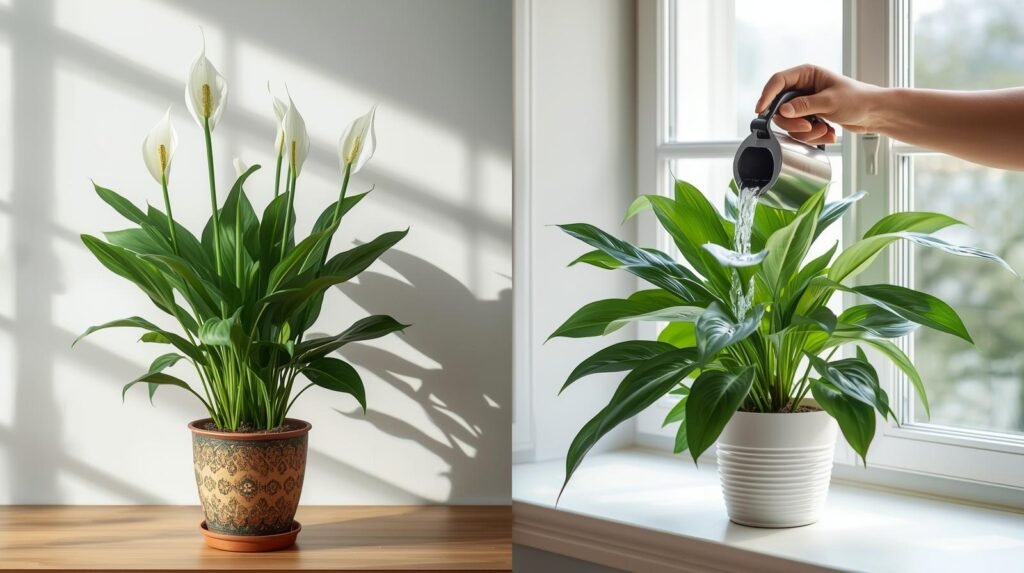
Peace lilies prefer moderate to high humidity levels. Indoor dryness from heaters or air conditioners may reduce bloom quality. Use humidity trays, pebble trays, or room humidifiers to maintain moisture. Ideal temperatures range from 65 to 80 degrees Fahrenheit. Avoid cold drafts and sudden temperature changes. Maintaining stable conditions supports foliage and flowering. Environmental control ensures year-round growth. Humidity directly affects flower longevity.
Pruning and Removing Spent Blooms
Regular pruning maintains plant health and encourages new flowers. Remove yellowing or dead leaves promptly. Cut spent blooms near the base to allow energy redirection to new buds. Avoid cutting healthy leaves. Pruning also improves airflow around the plant. Sterilize scissors to prevent disease spread. Proper trimming promotes compact growth and ongoing flowering. Routine care ensures a clean, attractive appearance.
Preventing and Treating Common Problems
Peace lilies are susceptible to pests like spider mites and aphids. Regular inspection helps early detection. Clean leaves gently with water or mild soap solutions. Brown leaf tips may indicate over-fertilization, low humidity, or water quality issues. Adjust care accordingly. Root rot occurs from waterlogging and poor drainage. Repot if necessary. Maintaining ideal conditions prevents common problems. Early intervention preserves blooms and foliage.
Table: Peace Lily Care Guide
| Care Aspect | Recommended Practice | Notes |
|---|---|---|
| Light | Indirect bright light | Avoid direct sunlight |
| Watering | Keep soil moist | Allow top inch to dry |
| Humidity | Moderate to high | Use tray or humidifier |
| Fertilizer | Balanced monthly | Reduce in winter |
| Pruning | Remove dead leaves and blooms | Use sterile tools |
Repotting Peace Lilies
Repotting supports long-term growth. Choose a pot one to two inches larger than the current one. Use fresh well-draining soil. Gently remove the plant to avoid root damage. Water thoroughly after repotting. Repot every one to two years. This refreshes soil nutrients. Healthy roots support sustained blooms and foliage. Proper repotting ensures continued vigor.
Encouraging Flowering Indoors
Peace lilies bloom more with proper care. Provide indirect sunlight and stable temperatures. Fertilize during active growth. Maintain consistent soil moisture. Avoid overwatering and nutrient deficiency. Rotate the plant for even growth. Prune spent blooms. Patience and consistent care encourage more frequent flowering.
Seasonal Adjustments for Indoor Care
Peace lily care varies seasonally. Reduce watering in winter. Light exposure changes with shorter days. Adjust humidity using trays or humidifiers. Fertilizer application decreases during dormancy. Prune as needed. Monitor for pests and diseases year-round. Seasonal adjustments maintain health and flowering potential. Consistent observation ensures thriving plants.
Maintaining Healthy Foliage
Glossy green leaves indicate optimal plant health. Avoid leaf burn from direct sunlight. Prevent overwatering to reduce yellowing. Fertilize moderately. Regularly remove dust from leaves. Proper airflow prevents fungal infections. Healthy foliage supports flower production. Leaf care is essential for aesthetic and plant vitality.
Table: Seasonal Care Schedule
| Season | Watering | Fertilizer | Humidity | Notes |
|---|---|---|---|---|
| Spring | Moderate | Monthly | Moderate | Active growth |
| Summer | Regular | Monthly | High | Peak flowering |
| Fall | Reduce | Every 6 weeks | Moderate | Growth slows |
| Winter | Minimal | None | Moderate | Dormancy |
Troubleshooting Bloom Issues
Lack of flowering may be due to low light or over-fertilization. Ensure proper sunlight exposure. Adjust fertilizer type and frequency. Check soil moisture. Inspect roots for rot. Increase humidity if needed. Rotate plant for even light distribution. Corrective measures restore blooms. Continuous care solves most flowering challenges.
Long-Term Maintenance Tips
Maintain regular watering, pruning, and fertilization routines. Inspect for pests frequently. Repot every one to two years. Adjust care with seasonal changes. Maintain stable environmental conditions. Keep plant foliage clean and healthy. Rotate for even growth. Long-term care promotes year-round blooms and foliage.