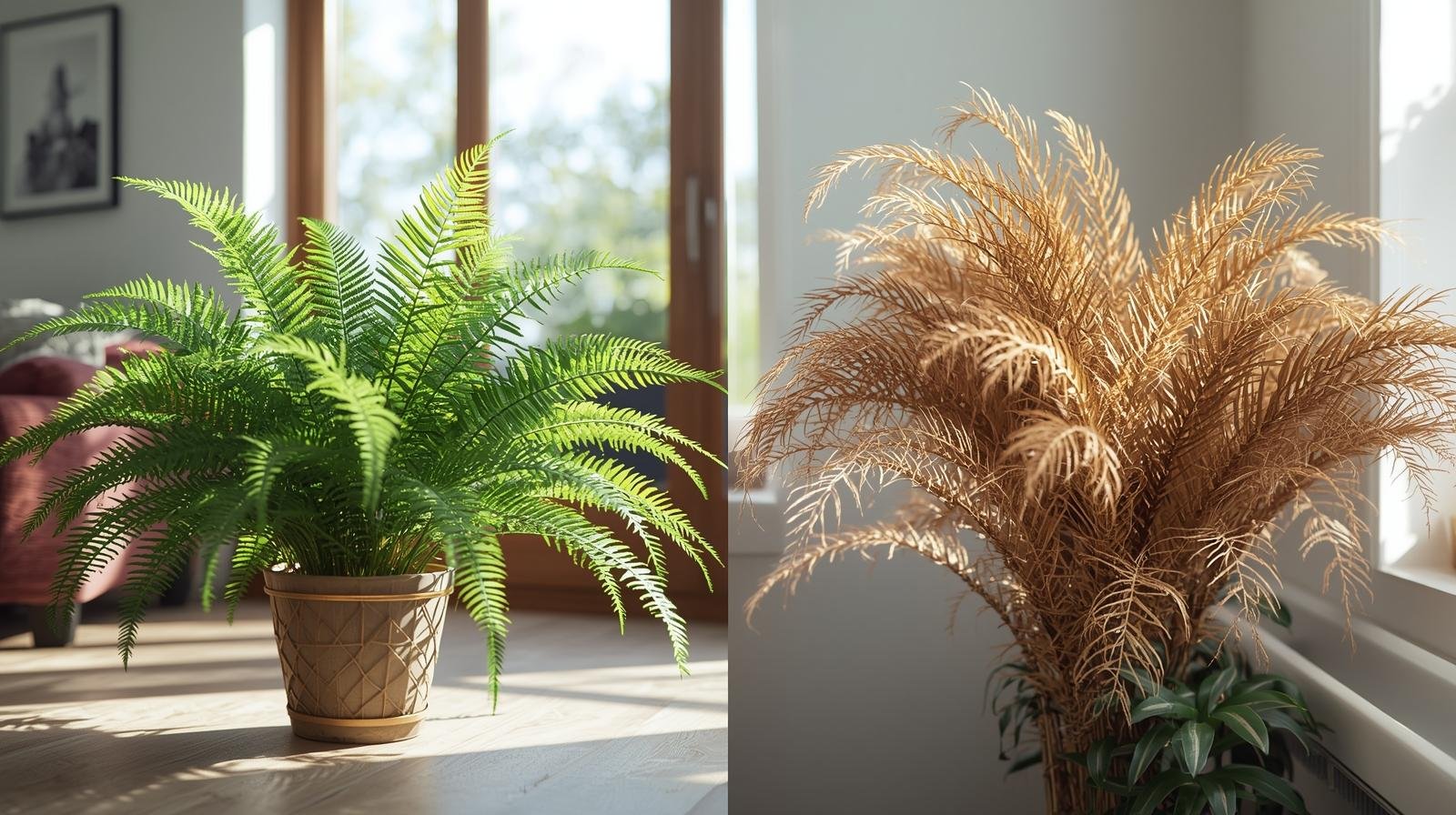
Boston ferns (Nephrolepis exaltata) are popular indoor plants prized for their lush, arching fronds. Their vibrant greenery adds life to homes, offices, and indoor gardens. However, keeping them healthy requires understanding their watering needs. Overwatering or underwatering can quickly affect frond fullness and plant vitality. Boston ferns prefer consistent moisture, humidity, and proper light conditions. Correct watering promotes thick, vibrant fronds and long-lasting health. This guide provides expert advice on watering frequency, methods, and seasonal adjustments.
Understanding the Watering Needs
Boston ferns naturally thrive in moist environments. Their roots are sensitive, and both drought and waterlogging can harm them. Frequent watering is required, but the soil must drain well. Indoor humidity also influences watering schedules. Too dry air can cause fronds to brown, while too much water can rot roots. Consistent moisture encourages new frond growth. Understanding these needs is crucial for lush, full fronds year-round.
The Importance of Soil Quality
Well-draining, nutrient-rich soil is essential for Boston fern health. Use a peat-based mix combined with perlite or sand to improve drainage. Heavy or compact soils retain too much water and can cause root rot. Light, airy soil keeps moisture evenly distributed while allowing oxygen to reach roots. Healthy soil supports vibrant fronds and prevents disease. Soil quality interacts closely with watering frequency. Refreshing soil annually maintains optimum growth conditions.
Watering Techniques for Boston Ferns
Watering should be deep yet gentle. Pour water slowly around the base until excess drains from the pot. Avoid splashing on the fronds to prevent fungal issues. Ensure water penetrates the root zone for uniform hydration. Overhead watering may be used occasionally, especially in dry indoor environments, but avoid excessive moisture on foliage. Correct techniques encourage healthy fronds and robust growth. Watering method directly impacts overall plant vigor.
Optimal Watering Frequency
Watering frequency depends on environment, pot size, and season. Typically, Boston ferns need water 2–3 times per week in summer, and every 5–7 days in winter. Check soil moisture before watering; the top inch should feel slightly dry. Indoor air circulation, humidity, and temperature all affect evaporation rates. Maintaining a balance ensures fronds remain full and vibrant. Avoid rigid schedules—observe plant needs and adjust accordingly.
Seasonal Watering Adjustments
Boston ferns require more water in warm, dry summer months. During winter, reduced indoor heating lowers evaporation, so water less frequently. Monitor frond appearance for signs of stress. Seasonal watering changes prevent frond wilting or root issues. Adjust watering routines gradually to avoid shock. Awareness of seasonal needs ensures continuous growth. Smart adjustments protect fronds year-round.
The Role of Humidity
High humidity is critical for lush Boston fern fronds. Indoor air, especially in heated or air-conditioned rooms, can be very dry. Mist the fronds regularly or use a humidity tray to maintain optimal conditions. Grouping plants can also raise ambient moisture. Low humidity causes frond edges to turn brown and crisp. Proper hydration and humidity create fuller, healthier foliage. Humidity and watering work together to ensure frond vitality.
Choosing the Right Container

Pot selection affects moisture retention. Terracotta pots allow soil to dry faster due to porous material, whereas plastic pots retain moisture longer. Ensure the pot has drainage holes to prevent standing water. The size of the pot also influences watering needs; larger pots retain water longer. Proper container selection reduces overwatering risk and promotes consistent frond growth. Pot choice complements effective watering routines.
Signs of Underwatering
Underwatered Boston ferns show drooping, dry, or yellowing fronds. New fronds may curl or fail to unfurl fully. The soil may feel hard and dry several inches below the surface. Immediate watering restores hydration, but chronic dryness can stunt growth. Recognizing early signs prevents long-term damage. Adjusting frequency based on observation maintains lush fronds. Underwatering is often easier to correct than overwatering.
Signs of Overwatering
Overwatered ferns exhibit soft, yellow fronds and root rot. Soil remains wet or waterlogged. The plant may develop mold or fungus at the base. Excessive watering is more dangerous than occasional underwatering. Reducing watering frequency, improving drainage, and removing affected fronds help recover the plant. Overwatering can kill Boston ferns if persistent. Observing soil and fronds prevents overhydration issues.
Watering Young Boston Ferns
Young ferns require careful attention; their roots are less developed and more prone to drying or rotting. Water lightly but consistently to keep soil evenly moist. Avoid letting the soil dry out completely, as it can stunt frond development. Smaller pots dry faster, requiring closer monitoring. Young ferns benefit from frequent misting. Proper care in early stages ensures healthy adult plants with full fronds.
Watering Mature Boston Ferns
Mature ferns have established root systems and can tolerate slight variations in moisture. Water deeply but less frequently than young plants. Monitor fronds for subtle signs of stress. Larger pots help retain moisture longer, reducing the need for daily watering. Mature ferns are resilient but still require humidity and careful watering. Balanced hydration ensures continuous frond growth and vibrant appearance.
Impact of Light on Water Needs
Boston ferns prefer indirect, bright light. Direct sunlight increases evaporation and may require more frequent watering. Low-light conditions reduce water demand but also slow growth. Adjust watering based on light exposure to prevent stress. Proper positioning enhances frond fullness. Light and water are interdependent factors for healthy Boston ferns. Observing fronds helps gauge hydration adequacy.
Fertilization and Watering
Fertilizing encourages frond growth but increases water demand. Use a balanced, water-soluble fertilizer every 4–6 weeks during growing season. Ensure soil is adequately moist before fertilizing. Over-fertilization with insufficient water can burn roots. Fertilization combined with correct watering results in lush, dense fronds. Coordination of nutrients and hydration is crucial for indoor ferns.
Preventing Common Problems
Yellowing fronds, brown tips, and root rot are common due to improper watering. Avoid letting water accumulate in saucers or trays. Maintain even soil moisture, adequate humidity, and proper drainage. Prune damaged fronds promptly. Regular observation prevents pest and disease problems. Preventive measures ensure continuous, full frond growth. Attention to watering minimizes issues.
Pruning and Maintenance
Regular pruning promotes air circulation and encourages new frond growth. Remove dead, yellow, or damaged fronds to maintain appearance. Pruning should complement watering and humidity routines. Healthy soil and consistent hydration support pruning success. Maintenance extends fern longevity and keeps fronds lush. Proper pruning helps maximize aesthetic value.
Water Quality Considerations
Boston ferns prefer filtered or rainwater over hard tap water. Excess minerals can damage delicate roots. Avoid cold water, which shocks the plant. Room-temperature water promotes better absorption. Water quality affects frond health, color, and growth rate. High-quality water complements proper watering schedules. Ensuring the right water type prevents unnecessary stress.
Using Humidity Trays and Grouping
Humidity trays help maintain consistent moisture around fronds. Fill trays with pebbles and water, placing the pot above the water line. Grouping multiple plants increases local humidity. These methods reduce frond browning and curling. Consistent hydration through humidity support enhances indoor fern care. Grouping and trays complement watering routines for lush growth.
Boston Fern Watering Summary Table
| Aspect | Recommendation |
|---|---|
| Soil | Well-draining, peat-based |
| Water | Deep, 2–3 times/week in summer, 1/week in winter |
| Container | Terracotta or plastic with drainage |
| Humidity | High, 50–70% |
| Signs of Stress | Brown edges, yellow fronds, drooping |
Conclusion
Proper watering is the key to keeping Boston ferns lush and full. Adjust frequency based on season, pot, soil, and humidity. Observing frond condition prevents over- or underwatering. Combining deep watering, humidity management, and pruning ensures vibrant indoor greenery. Following expert advice supports long-lasting, healthy Boston ferns. Consistent care transforms indoor spaces with dense, graceful fronds.