Introduction: Why Coffee Grounds Are Valuable in Gardening
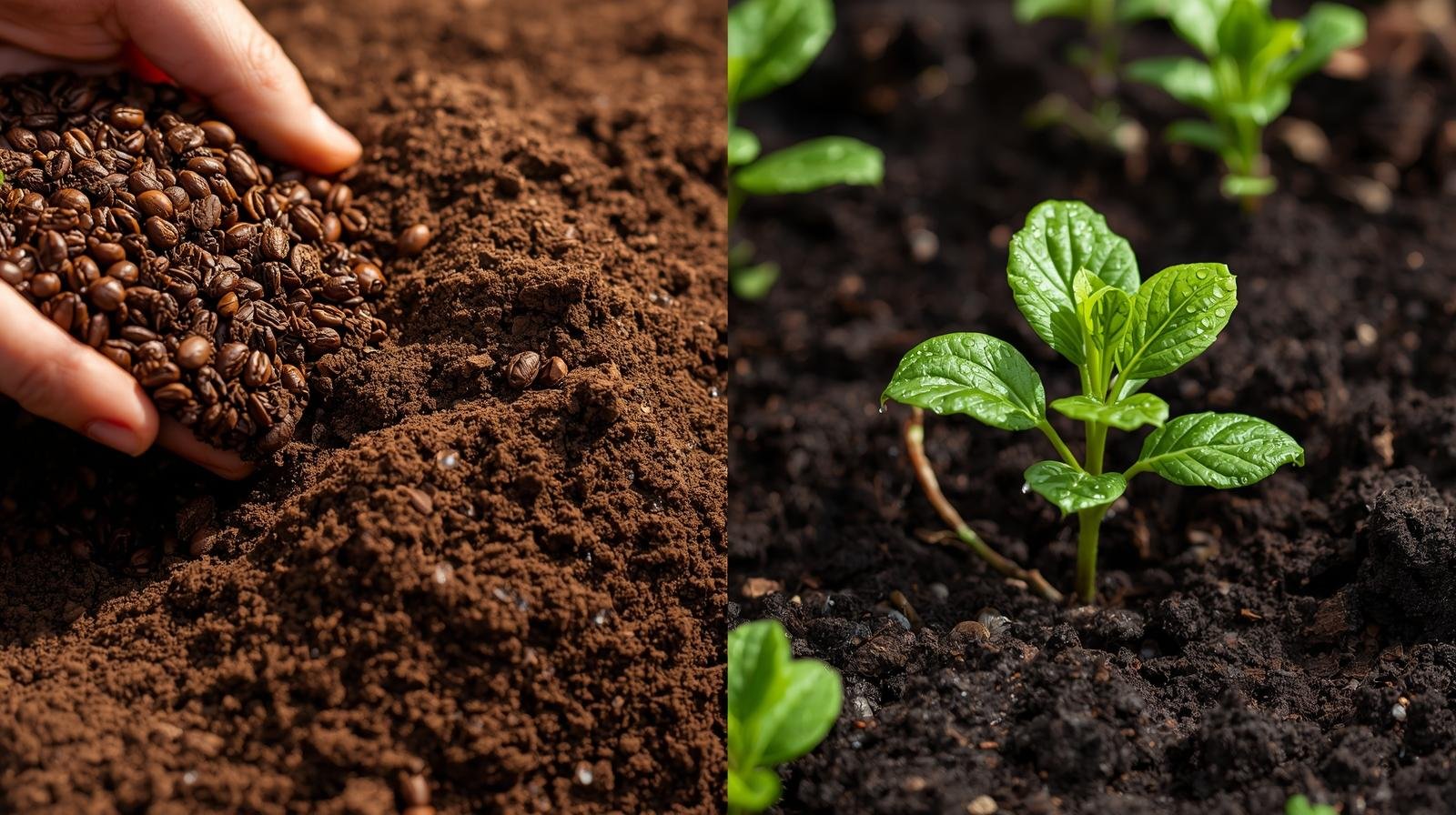
Coffee grounds are often discarded as waste, yet they offer many benefits in the garden. Garden experts recommend reusing coffee grounds to improve soil and plant health. Used coffee grounds contain nutrients and organic matter. They also help reduce household waste. Proper use prevents soil problems. Many gardeners misunderstand coffee grounds. When applied correctly, they enhance soil structure. Coffee grounds are a sustainable gardening resource. Understanding expert advice ensures safe and effective use.
Understanding the Composition of Coffee Grounds
Used coffee grounds are rich in organic material. They contain nitrogen and trace minerals. Contrary to popular belief, used grounds are not highly acidic. Brewing neutralizes most acidity. Coffee grounds improve soil texture. They also attract beneficial organisms. Proper composting enhances benefits. Understanding composition prevents misuse. Knowledge ensures garden safety.
Way 1: Improving Soil Structure with Coffee Grounds
Coffee grounds improve soil texture when mixed properly. They help loosen compacted soil. Improved soil structure enhances root growth. Grounds increase moisture retention in sandy soil. They also improve drainage in clay soil. Mixing grounds with compost prevents clumping. Balanced soil promotes healthy plants. Experts recommend moderation. Proper mixing maximizes benefits.
Best Plants That Benefit from Coffee-Amended Soil
Some plants respond well to coffee-enriched soil. Leafy greens benefit from added nitrogen. Flowering plants show improved growth. Acid-loving plants benefit slightly. Soil microbes thrive with organic matter. Avoid excessive use near seedlings. Mature plants tolerate grounds better. Plant response varies. Observation helps refine use.
Way 2: Using Coffee Grounds as Compost Material
Coffee grounds are excellent compost ingredients. They count as green material. Grounds balance carbon-rich compost items. They speed up decomposition. Mixing with leaves improves compost quality. Composting neutralizes acidity concerns. Finished compost becomes nutrient-rich. Experts recommend composting over direct use. Compost improves garden soil long-term.
How Coffee Grounds Support Soil Microorganisms
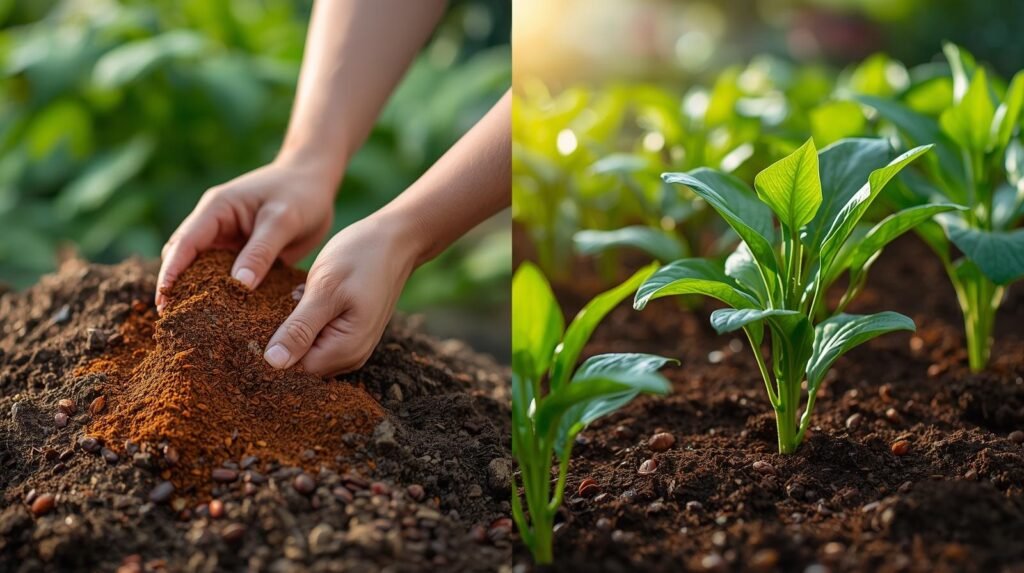
Microorganisms thrive on organic matter. Coffee grounds feed beneficial bacteria. Active microbes improve nutrient availability. Healthy microbial life improves plant health. Coffee grounds enhance soil biology. Composting increases microbial diversity. Living soil supports stronger plants. Microbes improve soil resilience. Coffee grounds boost soil life naturally.
Way 3: Natural Pest Deterrent with Coffee Grounds
Coffee grounds can deter certain pests. Strong scent repels insects. Grounds discourage slugs and ants. Sprinkle lightly around plants. Avoid thick layers that block air. Results vary by pest type. Grounds are not pesticides. Use as part of integrated pest management. Natural deterrents reduce chemical use.
Limitations of Coffee Grounds as Pest Control
Coffee grounds do not eliminate all pests. Effectiveness depends on conditions. Rain reduces impact outdoors. Overuse harms soil structure. Grounds should not replace proper pest control. Experts advise moderation. Use alongside other methods. Realistic expectations prevent disappointment. Coffee grounds are supportive, not magical.
Way 4: Enhancing Mulch with Coffee Grounds
Coffee grounds can be added to mulch. They help retain moisture. Mixed with organic mulch, they improve soil health. Grounds discourage weed growth slightly. Thin layers prevent compaction. Mulch combination works best. Coffee-enhanced mulch decomposes slowly. Experts recommend blending with leaves or straw. Balanced mulch benefits gardens.
Best Mulching Practices with Coffee Grounds
Apply coffee grounds sparingly. Mix evenly with mulch materials. Avoid direct contact with plant stems. Refresh mulch periodically. Observe soil moisture levels. Adjust application based on plant response. Proper mulching protects soil. Coffee grounds add nutrients gradually. Balanced use is key.
Way 5: Feeding Worms in Vermicomposting
Coffee grounds are excellent worm food. Worms break them down efficiently. Grounds increase compost nutrient content. Vermicompost improves soil fertility. Worms prefer moist grounds. Avoid excessive amounts. Balanced feeding keeps worms healthy. Experts support coffee use in worm bins. Vermicomposting maximizes benefits.
Plants That Should Avoid Direct Coffee Grounds
Not all plants tolerate coffee grounds. Seedlings are sensitive. Some herbs dislike added nitrogen. Excess grounds cause soil compaction. Direct application can harm roots. Composting is safer for most plants. Experts advise caution. Plant sensitivity varies. Observation ensures plant health.
Common Mistakes When Using Coffee Grounds
Overapplication is the most common mistake. Applying fresh grounds directly harms soil. Thick layers block oxygen. Ignoring composting reduces benefits. Assuming acidity causes problems. Learning correct use prevents damage. Experts emphasize moderation. Balanced use improves results. Mistakes are avoidable with knowledge.
How Often Should Coffee Grounds Be Used
Coffee grounds should be applied occasionally. Small amounts work best. Compost additions can be regular. Direct soil use should be limited. Observe plant response. Adjust frequency accordingly. Overuse causes imbalance. Experts recommend gradual application. Consistency beats excess.
Seasonal Use of Coffee Grounds in the Garden
Spring composting prepares soil. Summer use supports growth. Fall application improves soil structure. Avoid heavy winter application. Seasonal timing improves effectiveness. Grounds decompose faster in warm weather. Adjust use by season. Experts plan application carefully. Seasonal awareness improves results.
Environmental Benefits of Using Coffee Grounds
Reusing coffee grounds reduces waste. It lowers landfill impact. Grounds improve soil naturally. Chemical fertilizer use decreases. Sustainable gardening supports ecosystems. Coffee recycling benefits environment. Small actions make a difference. Eco-friendly gardening starts at home. Coffee grounds promote sustainability.
Expert Tips for Safe Coffee Ground Use
Always compost when possible. Use small amounts. Mix thoroughly with soil. Observe plant response. Avoid fresh grounds on seedlings. Balance with carbon materials. Experts recommend patience. Results improve over time. Safe use ensures success.
Coffee Grounds Gardening Summary Table
| Use | Main Benefit |
|---|---|
| Compost ingredient | Nutrient boost |
| Soil amendment | Improved structure |
| Mulch addition | Moisture retention |
| Pest deterrent | Reduced insects |
| Vermicomposting | Rich organic fertilizer |