Introduction: Why Indoor Plants Are Linked to Good Luck
Across cultures and generations, indoor plants have been associated with prosperity, peace, and positive energy. Many traditions believe that certain plants attract wealth, happiness, and harmony into homes. These beliefs often stem from ancient practices such as Feng Shui, Vastu Shastra, and folk traditions. Indoor plants are thought to purify air and balance energy flow. Their presence creates a calming and welcoming atmosphere. Even modern homeowners enjoy plants for their psychological benefits. Whether symbolic or scientific, plants uplift living spaces. Choosing lucky plants combines beauty with meaningful belief.
Cultural Beliefs Behind Lucky Plants
Different cultures assign symbolic meanings to plants based on shape, color, and growth habit. Rounded leaves often represent wealth and abundance. Upright growth symbolizes progress and success. Green color is linked to renewal and prosperity. Ancient traditions believed plants absorbed negative energy. Placement of plants also plays a vital role in energy balance. Cultural beliefs influence which plants are considered lucky. These traditions continue today in homes and offices. Understanding symbolism enhances intentional plant selection.
Benefits of Keeping Lucky Plants Indoors
Lucky indoor plants offer both aesthetic and emotional benefits. They improve indoor air quality by increasing oxygen levels. Plants reduce stress and improve focus. Many people feel emotionally comforted by greenery. Symbolic plants inspire positivity and hope. Indoor plants also improve interior design. They connect nature with living spaces. Caring for plants builds routine and mindfulness. Together, these benefits enhance well-being and harmony.
1. Money Plant: Symbol of Wealth and Prosperity
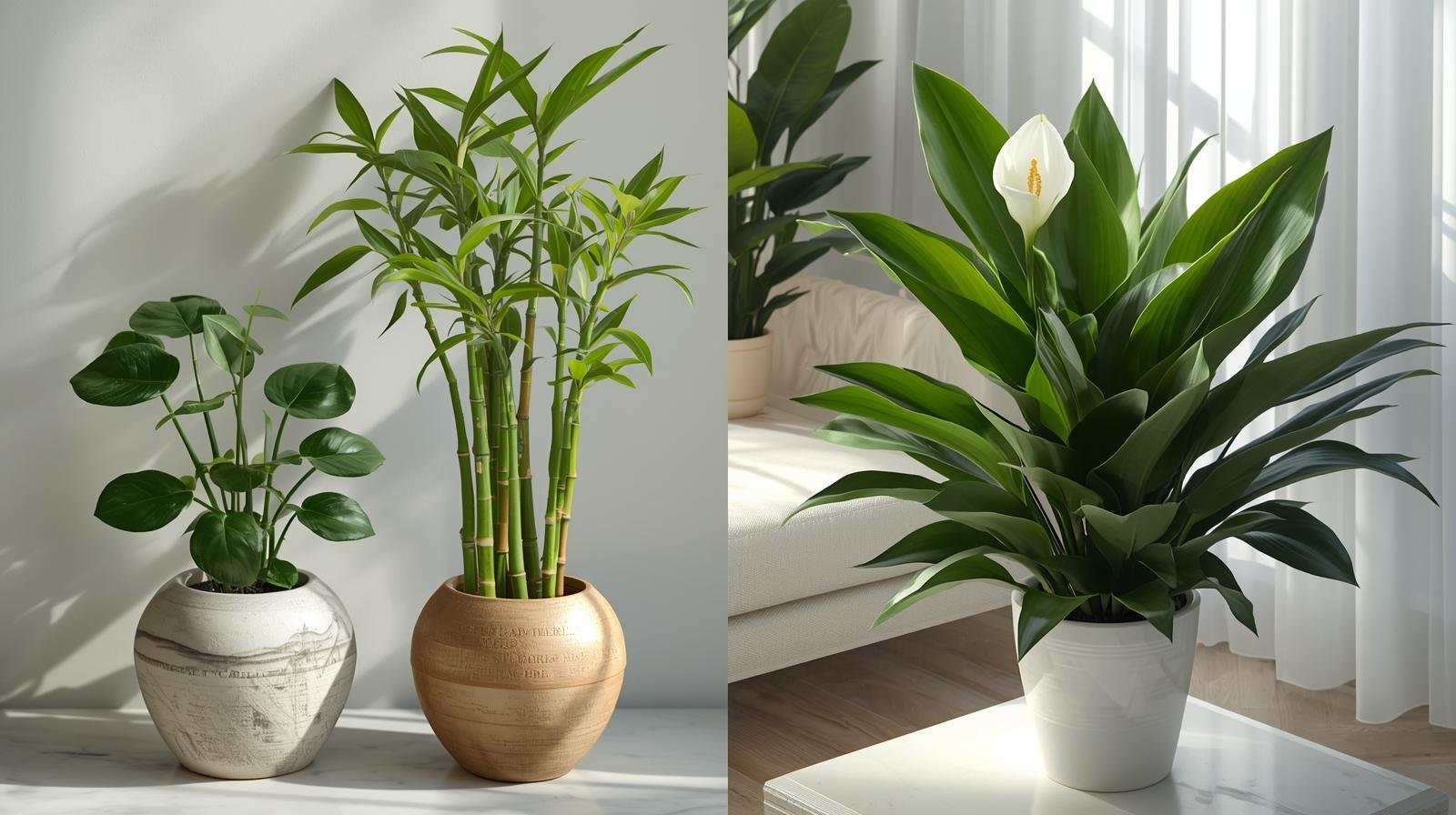
The money plant is one of the most popular lucky indoor plants worldwide. It is believed to attract wealth and financial stability. According to Feng Shui, its trailing vines promote positive energy flow. The plant thrives easily in water or soil. Heart-shaped leaves symbolize abundance and luck. Money plants are low maintenance and adaptable. They are often placed near entrances or living rooms. Many believe they reduce financial stress. Its popularity continues across cultures.
Caring for a Money Plant Indoors
Money plants prefer indirect sunlight and moderate watering. Overwatering should be avoided to prevent root rot. They grow well in water-filled containers as well. Occasional pruning encourages bushy growth. Clean leaves regularly to maintain shine. Fertilizing once a month supports healthy growth. Avoid placing in direct sunlight. With minimal care, money plants thrive indoors. Healthy plants symbolize continuous prosperity.
2. Lucky Bamboo: A Plant of Harmony and Success
Lucky bamboo is deeply rooted in Feng Shui traditions. It represents harmony, balance, and success. The number of stalks carries specific meanings. For example, three stalks symbolize happiness and wealth. Lucky bamboo grows well in water with pebbles. It prefers indirect light and clean water. The plant is often gifted during celebrations. Its upright growth reflects strength and resilience. Lucky bamboo enhances positive energy in spaces.
Caring for Lucky Bamboo Indoors
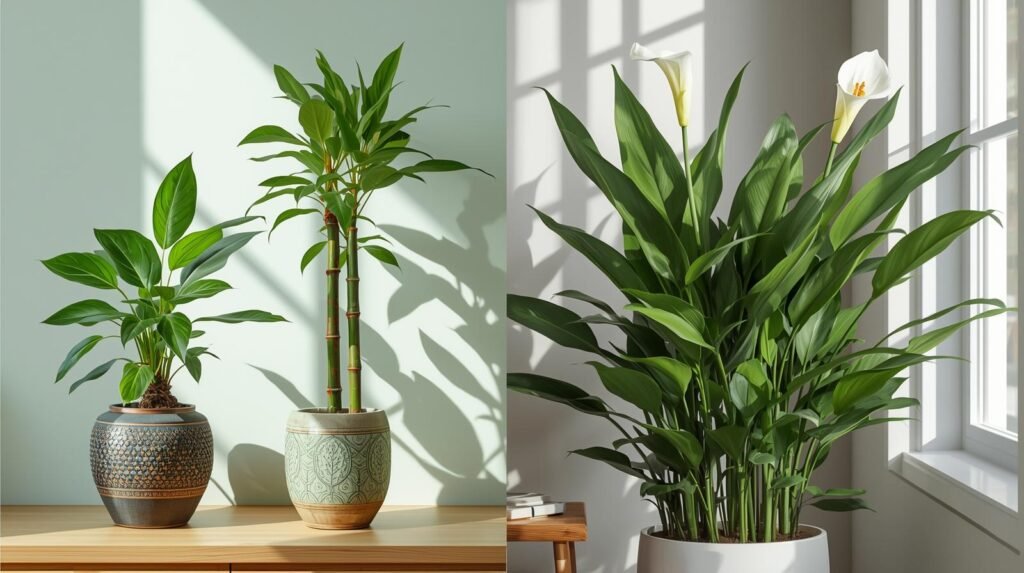
Use filtered or distilled water for best results. Change water every one to two weeks. Keep roots submerged but stalks dry. Avoid direct sunlight exposure. Clean containers regularly to prevent algae. Trim yellow leaves promptly. Use decorative pebbles for stability. Minimal maintenance ensures long life. Proper care maintains symbolic harmony.
3. Jade Plant: The Plant of Financial Growth
The jade plant is associated with wealth accumulation and success. Its thick, coin-shaped leaves symbolize money. Often placed near business entrances, it attracts financial opportunities. Jade plants thrive in bright indirect light. They store water in leaves, making them drought tolerant. Overwatering can cause leaf drop. Jade plants are long-living succulents. They represent steady growth and prosperity. Their compact form suits indoor spaces.
Caring for a Jade Plant Indoors
Place jade plants near sunny windows with filtered light. Water only when soil is dry. Use well-draining soil for root health. Avoid cold drafts. Prune occasionally to maintain shape. Fertilize lightly during growing season. Clean leaves to enhance shine. With proper care, jade plants flourish for years. Healthy plants symbolize lasting wealth.
4. Peace Lily: Symbol of Peace and Positive Energy
Peace lilies symbolize peace, purity, and harmony. They are believed to neutralize negative energy. White blooms represent calmness and clarity. Peace lilies thrive in low to medium light. They are excellent air purifiers. The plant signals watering needs by drooping slightly. Peace lilies enhance bedroom and living spaces. Their elegance suits modern interiors. They bring emotional balance indoors.
Caring for a Peace Lily Indoors
Water peace lilies when soil feels slightly dry. Avoid overwatering. Keep in indirect light for best blooms. Mist leaves occasionally to increase humidity. Remove spent flowers to encourage new blooms. Fertilize lightly every few months. Avoid cold temperatures. Proper care maintains graceful appearance. Healthy plants promote serenity.
5. Snake Plant: Guardian Against Negative Energy
Snake plants are believed to protect homes from negative energy. Their tall upright leaves symbolize strength and resilience. According to tradition, they absorb toxins and bad vibrations. Snake plants are extremely hardy. They tolerate low light and irregular watering. This plant is ideal for beginners. It improves indoor air quality at night. Snake plants suit bedrooms and offices. Their modern look complements interiors.
Caring for a Snake Plant Indoors
Allow soil to dry completely between watering. Overwatering causes root rot. Place in indirect light or low light. Use well-draining soil. Clean leaves occasionally to remove dust. Avoid cold drafts. Minimal care keeps snake plants healthy. Strong plants symbolize protection and stability. Longevity reflects resilience.
6. Areca Palm: Attractor of Positivity and Fresh Energy
Areca palms symbolize positivity and peace. They are believed to invite good luck and happiness. Their feathery fronds create a relaxing atmosphere. Areca palms thrive in bright indirect light. They increase humidity indoors. The plant improves air quality effectively. Areca palms enhance living rooms and offices. Their graceful appearance adds elegance. They create welcoming spaces.
Caring for an Areca Palm Indoors
Water regularly but avoid soggy soil. Maintain consistent moisture. Place in bright filtered light. Mist leaves occasionally for humidity. Fertilize during growing season. Trim dry fronds promptly. Protect from cold air. Proper care ensures lush growth. Healthy palms promote positive energy.
7. Tulsi Plant: Sacred Symbol of Purity and Protection
Tulsi, also known as holy basil, is sacred in many traditions. It symbolizes purity, health, and protection. Tulsi plants are believed to ward off negativity. They are commonly grown near entrances. Tulsi has medicinal benefits as well. It thrives in sunlight and warmth. The plant connects spiritual and physical wellness. Tulsi promotes calmness and devotion. Its presence is deeply respected.
Caring for Tulsi Indoors
Provide bright sunlight for several hours daily. Water regularly but avoid waterlogging. Use well-draining soil. Pinch tips to encourage bushy growth. Protect from cold temperatures. Fertilize naturally if possible. Regular pruning supports health. Proper care keeps tulsi vibrant. Healthy plants symbolize spiritual balance.
Placement Tips for Lucky Indoor Plants
Placement enhances symbolic benefits. Living rooms attract prosperity plants. Bedrooms benefit from calming plants. Entrances welcome positive energy. Avoid clutter around plants. Ensure adequate light. Balanced placement improves energy flow. Respect traditional guidelines if desired. Thoughtful positioning enhances belief value. Harmony improves living spaces.
Common Mistakes with Lucky Plants
Overwatering is a common mistake. Ignoring light needs weakens plants. Poor placement reduces growth. Lack of maintenance affects symbolism. Using unhealthy plants diminishes positivity. Awareness prevents issues. Healthy plants matter most. Care reflects intention. Balance is essential.
Table: Lucky Indoor Plants and Their Symbolism
Plant Name
Money plant represents wealth and prosperity
Symbolic Meaning
Lucky bamboo symbolizes harmony and success
Light Requirement
Snake plant tolerates low light
Maintenance Level
Jade plant requires minimal care