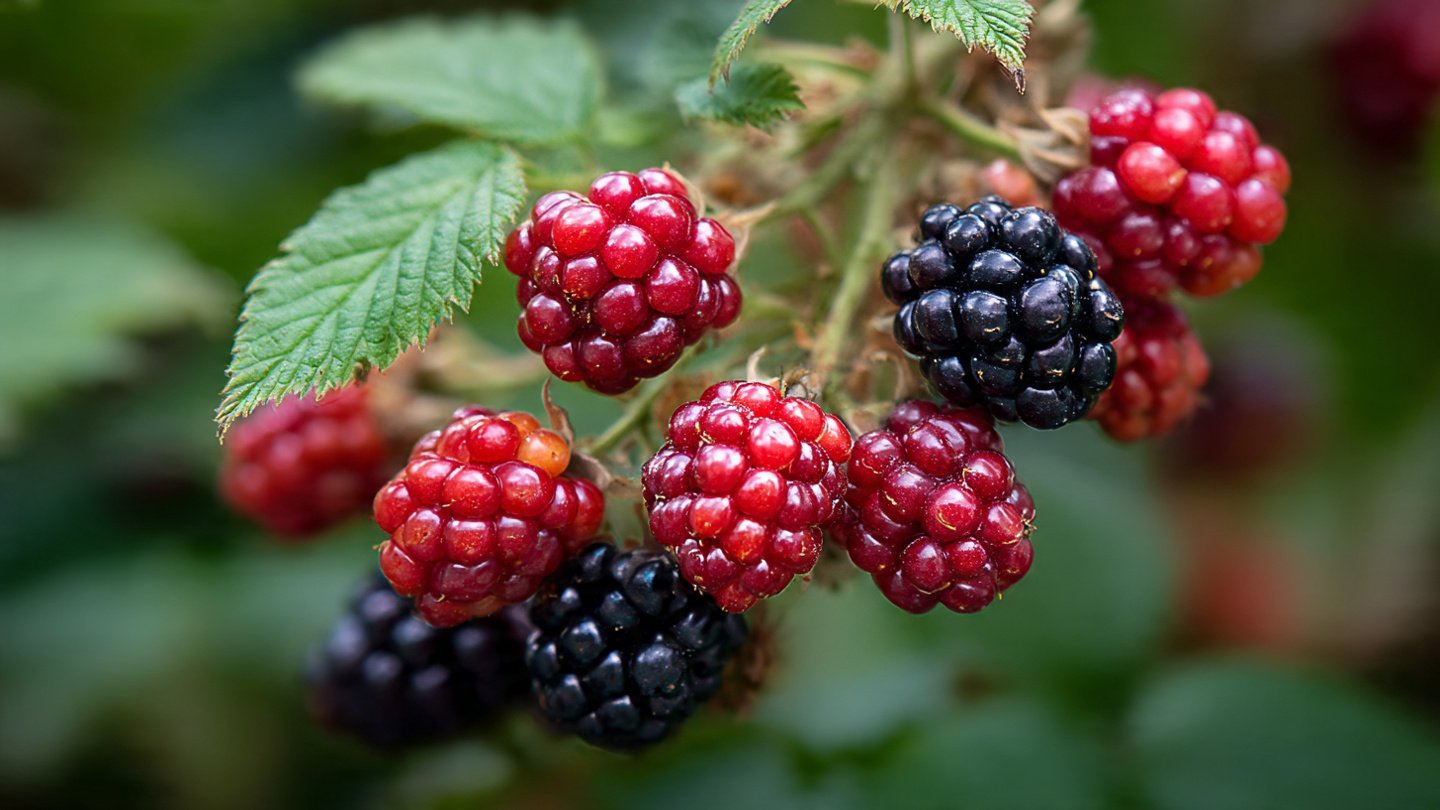
Growing your own blackberry patch in your backyard can be a rewarding and enjoyable endeavor. Not only do blackberries offer a delicious and nutritious fruit, but they can also enhance your garden’s landscape. Here’s a detailed guide on how to successfully cultivate blackberries with minimal effort, ensuring you can enjoy bountiful harvests year after year.
Why Grow Blackberries?
Blackberries are not only delicious but also packed with vitamins, antioxidants, and dietary fiber. Here’s why you should consider planting a blackberry patch:
- Nutritional Benefits: They are rich in vitamin C, vitamin K, and manganese.
- Versatility: Use them in desserts, salads, jams, or eat them fresh.
- Ease of Cultivation: Blackberries require minimal care once established.
Choosing the Right Variety
Before planting blackberries, it’s essential to choose the right variety for your region and preferences. Here are some popular types:
- Creeping Blackberries: These are low-growing and spread easily, making them excellent for ground cover.
- Bush Blackberries: These varieties are upright and easier to manage, suitable for smaller spaces.
- Trailing Blackberries: Known for their sweet fruit, trailing varieties need support.
Consult your local nursery or extension office to determine which blackberry varieties are best suited for your climate.
Site Selection
1. Sunlight
Blackberries thrive in full sun, requiring at least 6-8 hours of direct sunlight per day. Select a location in your backyard that receives ample sunlight and is protected from strong winds.
2. Soil Quality
Blackberries prefer well-drained, sandy loam soil with a slightly acidic pH (around 6.0 to 6.8). Conduct a soil test to ensure it’s suitable for planting. If your soil is heavy clay or poorly draining, consider amending it with compost or sand.
3. Space Requirements
When planning your blackberry patch, allow enough space for growth. Blackberries typically need about 3-4 feet between plants. If using trellises for trailing varieties, position them appropriately to maximize space.
Planting Blackberries
1. Time to Plant
The best time to plant blackberries is in early spring, after the threat of frost has passed. You can also plant in the fall in milder climates.
2. Preparing the Hole
Dig holes that are about 18 inches deep and wide. Mix the soil you remove with compost to enrich it before backfilling.
3. Planting Depth
Place the blackberry plant in the hole, ensuring the crown is level with the soil surface. Fill in the hole, firming the soil around the roots, and water thoroughly.
Watering
1. Establishing Watering Schedule
Blackberries need consistent moisture, particularly in the first year. Establish a watering schedule to keep the soil evenly moist but not soggy. Aim to water deeply once a week, adjusting based on rainfall.
2. Mulching
Apply a layer of organic mulch around the base of the plants to conserve moisture, suppress weeds, and regulate soil temperature. This will also improve soil health as it decomposes.
Fertilizing
1. Choosing the Right Fertilizer
Blackberries are relatively low-maintenance in terms of fertilization. Apply a balanced fertilizer (10-10-10) in early spring as new growth begins. Follow the manufacturer’s instructions for quantities.
2. Organic Options
If you prefer organic methods, consider using well-rotted manure or a composted organic fertilizer. Apply it sparingly to avoid over-fertilizing.
Pruning
1. Importance of Pruning
Pruning is essential for promoting growth, improving air circulation, and controlling plant size. It minimizes diseases and maximizes fruit production.
2. When to Prune
Prune during the dormant season, typically in late winter or early spring. Remove dead or weak canes and thin out overcrowded areas.
3. Pruning Techniques
- Summer-bearing varieties: After fruiting, cut back old canes that have produced fruit to the ground to allow new canes to grow.
- Fall-bearing varieties: You can choose to cut back all canes after they have fruited, producing a single crop the following year.
Supporting Trailing Varieties
For trailing blackberry varieties, provide support using trellises or fences. This helps keep fruit off the ground, promoting better air circulation and reducing the risk of disease. Use sturdy posts and string or wire to create a supportive framework.
Pest and Disease Control
1. Common Pests
Be on the lookout for pests such as:
- Spider Mites: Small and hard to see, they can be managed with insecticidal soap.
- Japanese Beetles: Handpick these pests off your plants and consider introducing beneficial insects.
2. Disease Prevention
To prevent diseases like powdery mildew and cane blight:
- Ensure good air circulation through proper pruning.
- Avoid overhead watering to reduce humidity levels around the plants.
3. Organic Treatments
For organic pest and disease management, consider neem oil or insecticidal soap, applying them according to the package instructions.
Harvesting
1. When to Harvest
Blackberries are typically ready for harvest from mid-summer to early fall, depending on the variety. They should be plump, shiny, and easily come off the plant when touched.
2. Harvesting Techniques
Gently twist or use scissors to cut the fruit to avoid damaging the canes. Harvest regularly to encourage further fruiting.
3. Proper Storage
Store fresh blackberries in the refrigerator in a breathable container for up to a week. For longer storage, consider freezing them.
Enjoying Your Bounty
Once you’ve successfully grown your blackberry patch, enjoy the fruits of your labor! Use them in various recipes, or simply enjoy them fresh. Blackberries can be made into jams, pies, smoothies, or even added to savory dishes.
FAQs
1. How much space do blackberry plants need?
Typically, blackberry plants need about 3-4 feet of space between each plant to ensure good air circulation and growth.
2. Can I grow blackberries in pots?
Yes, you can grow blackberries in pots. Choose dwarf varieties and ensure the pots are large enough (at least 5 gallons) with good drainage.
3. Do blackberries require full sun?
Yes, blackberries thrive in full sun and need at least 6-8 hours of direct sunlight per day for optimal growth and fruiting.
4. How often should I water blackberry plants?
Water blackberry plants deeply once a week, adjusting based on rainfall. Newly planted blackberries require more frequent watering to establish roots.
5. Can I grow blackberries with other fruits?
Yes, blackberries can be grown alongside other fruits, but ensure they have enough space and sunlight. Avoid planting them near raspberries, as they can share pests and diseases.
6. What should I do if my blackberries are not fruiting?
If your blackberries are not fruiting, check for proper sunlight, ensure they are not too crowded, and confirm that they are mature enough (usually after their second or third year).
7. How do I know when to prune my blackberry bushes?
Prune your blackberries in late winter or early spring while the plant is still dormant. Remove dead or weak canes and thin to promote better air circulation.
8. What should I do to prepare for winter?
In colder climates, apply a thick layer of mulch around the base of the plants to protect the roots. For trailing varieties, lay the canes down and cover them with mulch for added protection.
By following these steps, you can cultivate a thriving blackberry patch with minimal effort, providing you with enjoyable harvests for years to come. Happy planting!