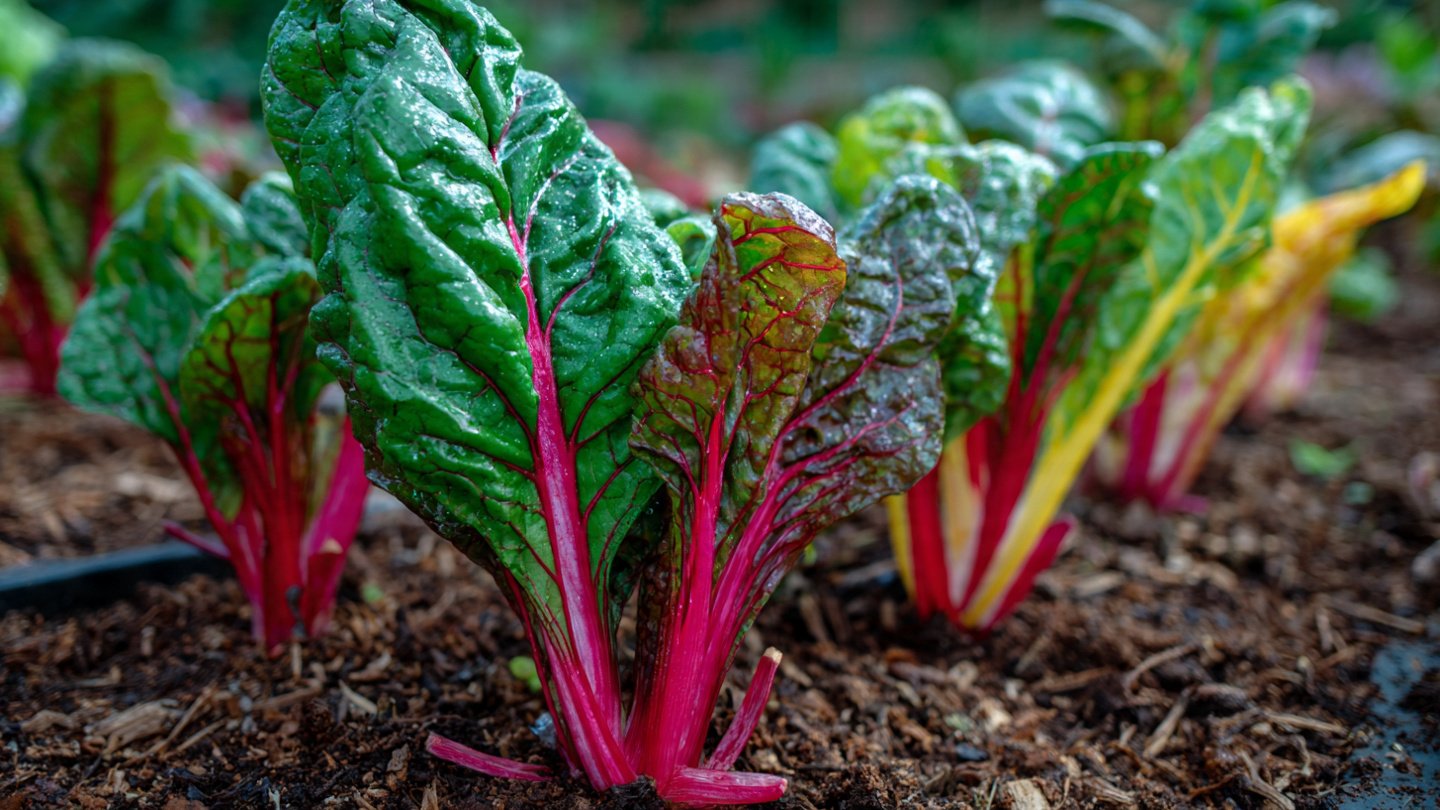
Swiss chard (Beta vulgaris subsp. cicla) is a leafy green powerhouse known for its colorful stems and nutritious leaves. As a member of the beet family, it can be harvested multiple times throughout the growing season. The “Cut and Come Again” method is a sustainable way to harvest Swiss chard, allowing you to enjoy a continuous supply of fresh greens. In this article, we will explore the benefits of Swiss chard, the Cut and Come Again method, detailed growing tips, and a FAQs section to help ensure your success in cultivating this versatile vegetable.
Why Grow Swiss Chard?
Swiss chard is an excellent addition to any garden for several reasons:
-
Nutritional Value: Swiss chard is packed with vitamins A, C, E, and K, as well as minerals like magnesium, potassium, and iron. Its antioxidant properties help improve overall health.
-
Versatility: This leafy green can be used in a variety of dishes, from salads to soups and stir-fries.
-
Easy to Grow: Swiss chard is relatively low-maintenance and thrives in various growing conditions.
-
Long Growing Season: With proper care, Swiss chard can be grown from spring to fall, providing fresh greens almost year-round.
Understanding the Cut and Come Again Method
The Cut and Come Again method encourages continuous harvesting of leafy greens. Rather than pulling up entire plants, you selectively harvest outer leaves, allowing the inner leaves to continue growing. This method promotes prolonged productivity and minimizes waste, making it particularly beneficial for Swiss chard.
How It Works
- Selective Harvesting: Instead of cutting the whole plant, take the outer leaves and leave the inner ones to grow.
- Regrowth: Swiss chard has the ability to regrow quickly, especially during the right growing conditions.
- Continuous Supplies: By repeatedly harvesting in this manner, gardeners can enjoy a steady supply of fresh greens.
Step-by-Step Guide to Growing Swiss Chard
1. Choose the Right Variety
Swiss chard comes in several varieties, with the most popular being:
- Rainbow Chard: Known for its vibrant, multi-colored stems.
- Fordhook Giant: A classic variety with large, broad leaves.
- Bright Lights: Features a mix of colors and is known for its aesthetic appeal.
2. Prepare the Soil
Swiss chard prefers well-draining, fertile soil with a pH of 6.0-7.0. Here’s how to prepare your soil:
- Loosen the Soil: Use a garden fork or tiller to break up compacted soil.
- Enrich the Soil: Incorporate compost or well-rotted manure to improve nutrient content.
- Test the pH: Utilize a soil pH kit to ensure the optimal pH range.
3. Planting
- Timing: Start seeds indoors 4-6 weeks before the last frost, or directly sow them in the garden as soon as the soil temperature reaches 50°F (10°C).
- Spacing: Sow seeds about 1-2 inches apart, covering them lightly with soil. Thin seedlings to 6-12 inches apart once they are a few inches tall.
4. Watering
Swiss chard needs consistent moisture to thrive. Follow these watering tips:
- Irrigation: Water at the base of the plant to avoid wetting the leaves, which can encourage diseases.
- Consistency: Aim for about 1–1.5 inches of water per week, increasing frequency during hot, dry spells.
5. Sunlight Requirements
Swiss chard prefers full sun but can tolerate partial shade, especially in hotter climates. Aim for 6-8 hours of sunlight daily for optimal growth.
6. Fertilization
To promote healthy growth, fertilize Swiss chard:
- Initial Fertilization: Apply a balanced fertilizer (10-10-10) when planting.
- Mid-Season Feeding: Use a liquid fertilizer every 4-6 weeks during the growing season.
7. Pest and Disease Management
Common pests of Swiss chard include aphids, leaf miners, and spider mites. Maintain a healthy garden environment to prevent infestations:
- Regular Inspection: Check plants weekly for pests and signs of disease.
- Natural Predators: Encourage ladybugs and lacewings to help manage pest populations.
- Companion Planting: Plant Swiss chard alongside plants like marigolds, which can help deter pests.
8. Harvesting
For the Cut and Come Again method, begin harvesting once the leaves reach 6-8 inches in length:
- Select Outer Leaves: Use sharp scissors or garden snips to cut outer leaves about 1-2 inches from the base, allowing the inner leaves to flourish.
- Regular Harvesting: Harvest every 2-3 weeks for a continuous supply, particularly during cooler months when growth rates are optimal.
9. Storing Swiss Chard
Freshly harvested Swiss chard can be stored in the refrigerator:
- Preparation: Rinse leaves under cold water to remove dirt.
- Storage: Wrap leaves in a damp paper towel and place them in a perforated plastic bag to maintain moisture.
Additional Growing Tips
- Rotate Crops: To prevent soil-borne diseases, practice crop rotation by planting Swiss chard in different sections of your garden each season.
- Mulching: Apply organic mulch around plants to retain moisture and suppress weeds.
- Season Extension: Consider using row covers to protect Swiss chard during early spring or late fall frosts.
FAQs
1. How often should I harvest Swiss chard using the Cut and Come Again method?
You can harvest Swiss chard every 2-3 weeks, depending on how quickly the leaves regrow. Monitor the plant’s growth and adjust your harvesting schedule accordingly.
2. Can I grow Swiss chard in containers?
Yes! Swiss chard grows well in containers. Choose a pot at least 12 inches deep and ensure it has good drainage. Use high-quality potting soil and follow the same care guidelines.
3. What pests are common for Swiss chard, and how can I manage them?
Common pests include aphids, leaf miners, and spider mites. Regularly inspect your plants for signs of infestation, and consider using neem oil or insecticidal soap as organic pest control measures.
4. What are the best companions for Swiss chard?
Companion plants include leafy greens like lettuce and herbs such as basil and cilantro. Marigolds are also effective as they help deter pests.
5. Can Swiss chard survive winter?
In milder climates, Swiss chard can survive winter with proper protection, like row covers. In colder areas, it may be treated as an annual and replanted each season.
6. When is the best time to plant Swiss chard?
Swiss chard can be sown directly in the garden in early spring or late summer to fall, as it tolerates cool temperatures. It can also be started indoors and transplanted outside after the last frost.
Conclusion
Growing Swiss chard using the Cut and Come Again method is an effective way to enjoy fresh greens throughout the growing season. With its numerous health benefits, culinary versatility, and ease of care, Swiss chard is an excellent choice for both seasoned gardeners and beginners alike. By following the tips and techniques laid out in this article, you can ensure a bountiful supply of this vibrant vegetable right from your backyard all season long. Happy gardening!