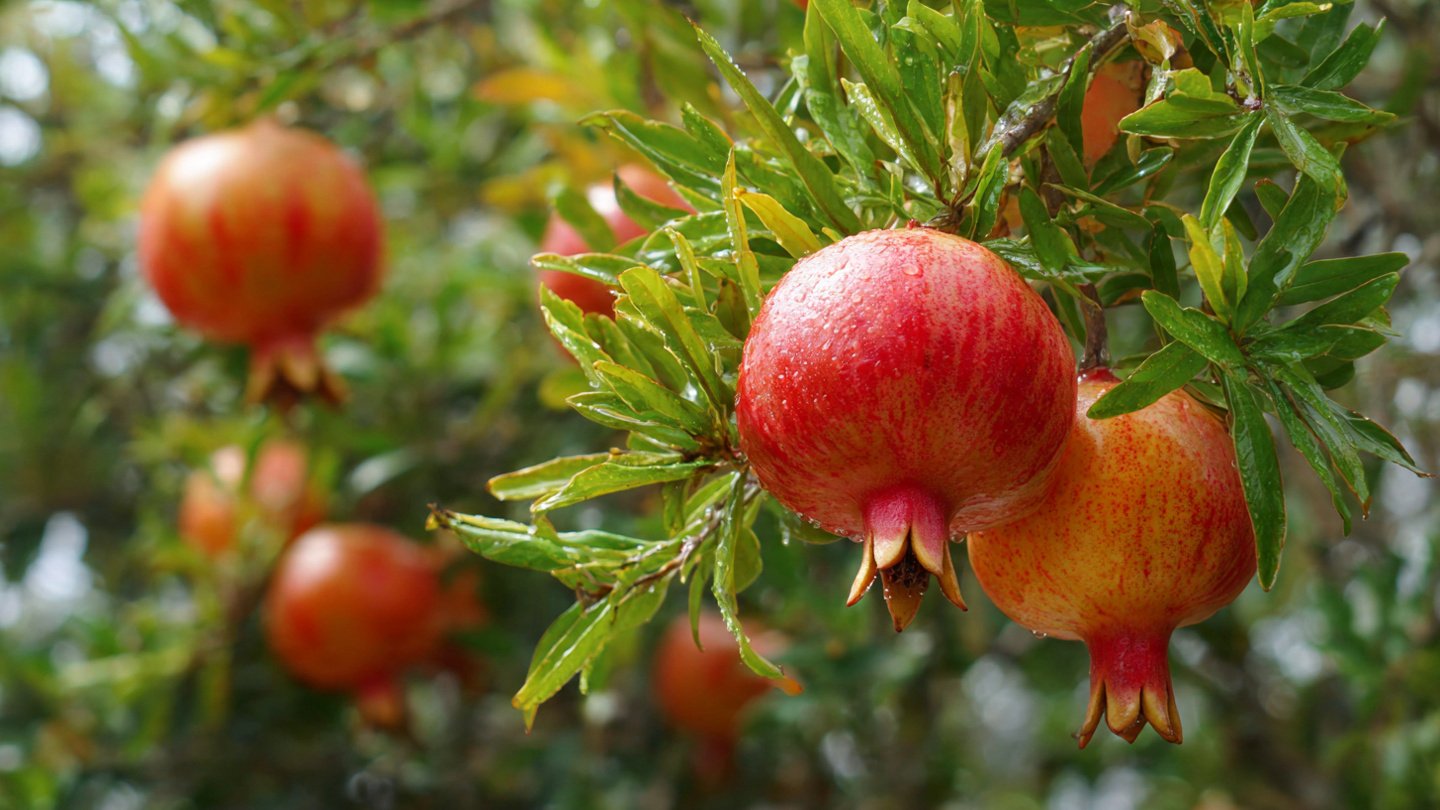
Pomegranate trees (Punica granatum) are prized for their vibrant fruits and ornamental beauty. Understanding how to manage their height effectively can lead to healthier trees and increased fruit yield. This article explores natural techniques for height management, ensuring your pomegranate thrives without the use of harsh chemicals or invasive pruning practices.
Understanding Pomegranate Trees
Botanical Characteristics
Pomegranate trees can grow up to 30 feet tall in their natural habitats, but they are often maintained at a more manageable size, typically between 8 to 12 feet, in gardens. The desire to control their growth is primarily driven by the tree’s tendency to become leggy or top-heavy as it matures.
Growth Habits
Pomegranates are generally bushy shrubs and can produce multiple trunks. They prefer full sun and thrive in well-draining soil. Natural methods of managing height should enhance these growth habits while promoting fruiting.
Natural Techniques for Height Management
1. Pruning Techniques
Timing Matters
The best time to prune your pomegranate tree is during the late winter or early spring before new growth begins. This encourages a burst of energy as the tree enters its growing season.
Selective Pruning
Instead of removing large sections of the tree, selectively prune less productive branches or those growing too high. Aim to maintain a balanced shape that promotes light penetration and air circulation. This selective approach can also lead to better fruit production as energy is redirected to fruitful branches.
Thinning Out
Thin out overcrowded areas by cutting back branches that cross or rub against each other. This will reduce competition for nutrients and sunlight, fostering a more robust fruit-set on the remaining branches.
Topping
If a tree has grown too tall, consider topping it by removing the uppermost growth. However, do this cautiously; excessive topping can lead to sunburn on the trunk and adversely affect fruit production.
2. Training Techniques
Espalier
Espaliering is a method where branches are trained to grow horizontally against a wall or trellis. This not only controls height but also makes fruit harvesting more accessible.
Cordon Training
Similar to espaliering, cordon training involves guiding branches along a single line. This method maximizes sun exposure and allows for easier maintenance, leading to improved fruiting.
3. Utilizing Natural Growth Inhibitors
Plant Companions
Certain companion plants, such as marigolds or basil, can inhibit excessive growth by competing for nutrients. Using companion planting wisely can help maintain your pomegranate tree’s stature while providing the benefits of biodiversity.
Mulching
Applying mulch around the base of the tree can regulate soil temperature and moisture levels. This helps to prevent the tree from growing too fast, as it creates a more stable environment.
4. Soil Management
Quality Over Quantity
Pomegranates prefer slightly alkaline, well-draining soil. Regularly testing your soil to ensure appropriate pH levels (around 7.0 to 8.0) can help in controlling the growth of the tree. High nutrient levels can promote excessive growth, so balance is key.
Organic Fertilizers
Utilize organic fertilizers minimally. Over-fertilization can lead to rapid top growth while compromising fruit production. Fertilizers high in potassium and phosphorus are beneficial for fruit setting and can be used to promote balanced growth.
5. Water Management
Irrigation
Pomegranates thrive on moderate irrigation. Too much water can lead to excessive height; thus, implementing a drip irrigation system helps maintain uniform moisture levels without oversaturating the soil.
Rainwater Collection
Using collected rainwater for irrigation can be a sustainable practice. It often contains fewer chemicals than treated water, benefitting overall tree health and growth.
6. Pest and Disease Control
Organic Pest Management
Using natural pest repellents, such as neem oil or insecticidal soaps, can protect your tree without aggressive measures that might promote excessive growth stress. Healthy trees will maintain a balanced height.
Monitoring for Diseases
Regularly inspect your tree for signs of diseases like root rot or leaf spot, which can affect growth patterns. Early identification allows for natural cures and preventive measures before issues escalate.
Benefits of Height Management
Controlling the height of your pomegranate tree comes with a range of benefits:
- Enhanced Fruit Production: By selectively managing height and promoting airflow, you can ensure better fruit-set and quality.
- Easier Harvesting: Keeping your trees at a manageable height makes it easier to reach fruits, reducing labor and maximizing harvesting efficiency.
- Increased Sunlight Exposure: Proper height management promotes optimal light penetration, vital for the fruiting processes.
- Aesthetically Pleasing Shape: Well-maintained trees provide a visually appealing presence in your garden, contributing to its overall beauty.
FAQs
1. How tall can a pomegranate tree grow naturally?
In its natural habitat, a pomegranate tree can reach up to 30 feet. However, most gardeners prefer to keep them between 8 to 12 feet for easier management.
2. What is the best time to prune a pomegranate tree?
Late winter or early spring, before new growth starts, is the best time for pruning to encourage healthy growth.
3. Can I grow a pomegranate tree as a container plant?
Yes, pomegranate trees can adapt to container living. Choose a dwarf variety for best results and manage its height through selective pruning.
4. What are the signs of an unhealthy pomegranate tree?
Signs include yellowing leaves, stunted growth, and reduced fruit production. Regular monitoring can help detect these issues early.
5. Do pomegranate trees require a lot of water?
While they prefer moderate irrigation, overwatering can lead to root issues. A consistent watering schedule, supplemented by rainwater, is ideal.
6. How can I ensure my pomegranate tree produces fruit?
Ensure proper sunlight, maintain balanced soil nutrition, regulate watering, and implement effective pruning techniques to promote fruit production.
7. Are there specific pests I should worry about?
Common pests include aphids and pomegranate weevils. Implementing organic pest management strategies will help protect your tree from damage.
Conclusion
Managing the height of your pomegranate tree is crucial for optimal growth and fruit production. By employing natural techniques such as thoughtful pruning, training, proper soil and water management, and companion planting, you can create an environment that maximizes both the health and yield of your tree. Engaging with your tree through these sustainable practices not only yields delicious pomegranates but also enhances your gardening experience. Happy growing!