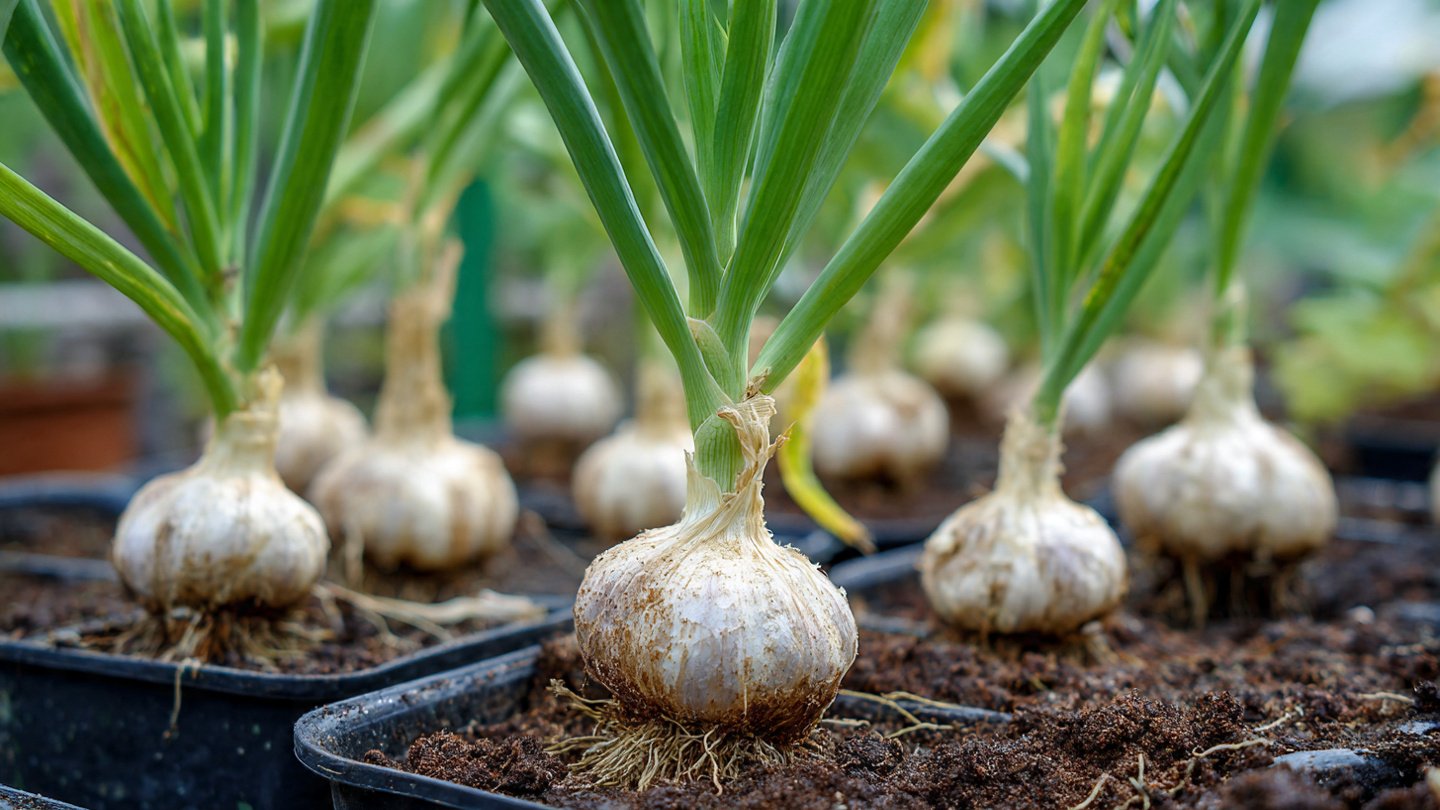
Garlic is one of the most treasured spices in kitchens around the world. Not only does it add flavor to dishes, but it also comes with numerous health benefits, making it an essential plant for many gardeners. Growing garlic in small pots can be a fulfilling project, especially for those with limited space. In this ultimate guide, we’ll explore everything you need to know about growing garlic in small pots for maximum yield.
1. The Basics of Garlic Growing
1.1 Understanding Garlic Varieties
Garlic is primarily divided into two main types:
- Hardneck Garlic: Known for its robust flavor and easy-to-crack cloves. It produces a flower stalk (scape) that can be harvested and used in cooking.
- Softneck Garlic: This variety has a milder flavor and longer shelf life. It’s the type commonly found in grocery stores.
It’s essential to choose the right variety based on your climate and taste preferences. Hardneck garlic thrives in cold climates, while softneck varieties prefer warmer conditions.
1.2 When to Plant
The best time to plant garlic is in the fall for a summer harvest. Ideally, cloves should be planted about 4-6 weeks before the ground freezes. In mild climates, garlic can also be planted in early spring.
2. Selecting the Right Pot
Choosing the right pot is crucial for successful garlic growth. Here’s what to consider:
2.1 Pot Size
Garlic needs ample space for its roots to develop. A pot with a diameter of at least 8-12 inches and a depth of 10-12 inches is recommended for maximum yield.
2.2 Material
Pots can be made from various materials such as terracotta, plastic, or ceramic. Ensure that pots have drainage holes to prevent water retention, which can lead to root rot.
2.3 Location
Place your pots in a sunny spot, as garlic requires at least 6 hours of direct sunlight each day.
3. Soil Requirements
3.1 Soil Type
Garlic prefers well-draining, loamy soil that is rich in organic matter. You can create a suitable mix using:
- 1 part potting soil
- 1 part compost
- 1 part perlite or sand for drainage
3.2 pH Levels
The ideal soil pH for garlic is between 6.0 and 7.0. You can test your soil using a commercial pH testing kit and amend it with lime or sulfur as needed.
4. Preparing Garlic for Planting
4.1 Choosing Cloves
Select healthy, unblemished cloves from your chosen variety. Avoid using grocery store garlic, as it might be treated to prevent sprouting.
4.2 Prepping the Cloves
A day before planting, separate the cloves from the bulb, leaving the paper-like skin intact. This helps the cloves retain moisture. If you’re using hardneck varieties, you may want to cut off the tip of the clove to encourage quicker sprouting.
5. Planting Garlic Cloves
5.1 Spacing
Plant cloves about 6 inches apart, with the pointed end facing up. If you’re using a larger pot, you can plant multiple cloves in one pot, ensuring they have enough room to grow.
5.2 Depth
Plant the cloves 2 inches deep. Cover them with soil and gently pat down to eliminate air pockets.
6. Watering and Fertilizing
6.1 Watering Schedule
After planting, water well but avoid waterlogging the soil. Maintain moisture by checking the topsoil regularly. During dry spells, you may need to water more frequently.
6.2 Fertilization
Garlic thrives with good nutrition. Use a balanced, water-soluble fertilizer high in nitrogen during the initial growth phase, followed by a phosphorus-rich fertilizer as the bulbs begin to form.
7. Caring for Your Garlic
7.1 Mulching
Apply a layer of organic mulch (like straw or wood chips) on top of the soil to retain moisture, suppress weeds, and regulate soil temperature.
7.2 Pest and Disease Control
Monitor your garlic plants for pests like aphids, thrips, and whiteflies. You can remove them manually or use insecticidal soap as needed.
7.3 Thinning
If you notice overcrowding, thin out underdeveloped plants to give the stronger ones more space. This ensures each plant has enough room to grow properly.
8. Harvesting Garlic
Garlic typically takes 6-8 months to mature. Signs that it’s time to harvest include:
- Yellowing leaves
- Lower leaves browning
- Bulbs are firm and well-formed
Gently lift the bulbs using a garden fork, being careful not to damage them. Brush off excess soil but do not wash them, as moisture can encourage rot during storage.
9. Curing and Storing Garlic
9.1 Curing
After harvesting, cure your garlic in a warm, dry place with good airflow for about 2-4 weeks. Hang them in bundles or spread them out on a rack.
9.2 Storage
Store cured garlic in a cool, dark, and dry place. Softneck varieties can be braided and stored for several months, while hardneck garlic is best used within a few months.
10. Troubleshooting Common Issues
10.1 Yellowing Leaves
This could indicate overwatering or nutrient deficiency. Check your watering schedule and consider fertilizing.
10.2 Small Bulbs
If the bulbs are small, it could be due to overcrowding or lack of nutrients. Ensure proper spacing and nutrients.
10.3 Pests
Monitor for garlic-specific pests. Neem oil or insecticidal soap can be effective against insect infestations.
FAQs
Q1: Can I grow garlic indoors?
Yes! Garlic can be successfully grown indoors as long as it receives enough sunlight. Choose a sunny windowsill for optimal growth.
Q2: How often should I water garlic?
Water regularly, especially during dry spells. Aim for consistent moisture but avoid soggy soil.
Q3: How long does garlic take to grow?
From planting to harvest, garlic generally takes about 6-8 months, depending on the variety and growing conditions.
Q4: Can I grow garlic from store-bought cloves?
It’s best to use seed garlic from reputable suppliers to avoid potential issues with disease and sprouting. Store-bought garlic may not perform well in your garden.
Q5: What should I do if my garlic isn’t sprouting?
Check your planting depth and soil moisture levels. If conditions are not ideal, it may take longer for the cloves to sprout.
Q6: Can I plant garlic in the spring?
Yes, garlic can be planted in early spring, but it will typically yield smaller bulbs compared to fall-planted garlic.
Q7: When should I water garlic?
Water when the top inch of soil feels dry. Adjust your watering based on weather conditions, particularly during hot spells.
Conclusion
Growing garlic in small pots is not only possible but can also yield a bountiful harvest if done correctly. By selecting the right variety, preparing the soil properly, maintaining moisture, and caring for your plants, you can enjoy fresh, homegrown garlic. With a little patience and attention, you’ll find satisfaction in growing your own aromatic cloves, bringing an added touch of flavor and health benefits to your kitchen. Happy gardening!