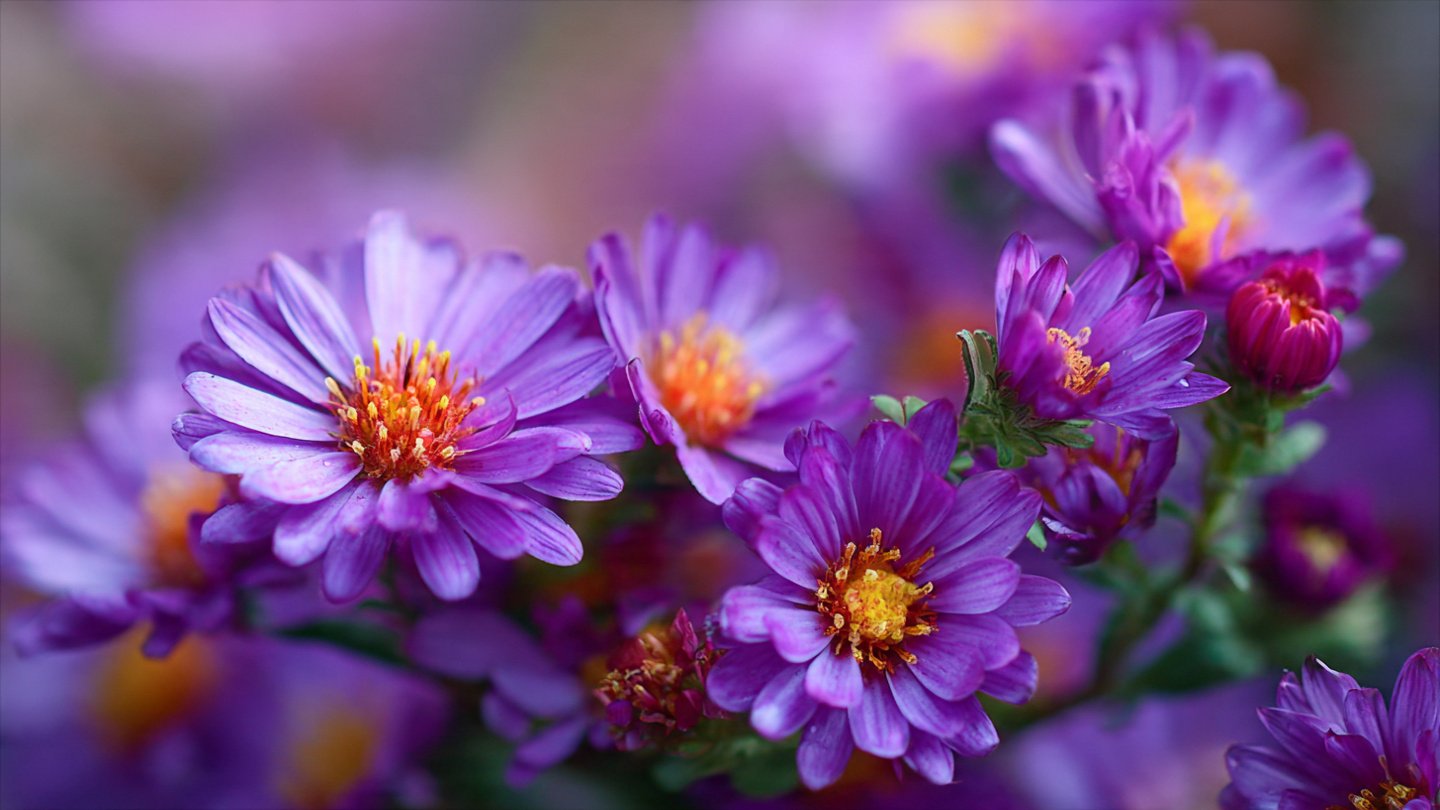
Asters are perennial plants celebrated for their vibrant blooms and ability to add a splash of color to gardens. Known for their daisy-like flowers, they come in various colors and sizes, making them a versatile choice for gardeners. Besides their aesthetic appeal, asters are also excellent for attracting pollinators such as bees and butterflies. If you’re looking to cultivate asters in your garden, particularly with an eye towards achieving long, beautiful stems, this guide is for you.
## Understanding Asters
What are Asters?
Asters belong to the Asteraceae family and are native to Asia and North America. They bloom in late summer to fall, displaying a wide range of colors—including purple, pink, blue, and white—with different species offering unique heights and forms. The two most common types for gardens are yearly Chinese Aster (Aster amellus) and perennial New England Aster (Symphyotrichum novae-angliae).
Benefits of Growing Asters
- Long Blooming Season: Asters flower from late summer to fall, providing color when other plants begin to fade.
- Pollinator Friendly: Their blooms attract butterflies and bees, promoting a healthy garden ecosystem.
- Diverse Varieties: With various colors and sizes, asters can fit almost any garden design.
Preparing Your Garden
Choosing the Right Location
Asters thrive in full to partial sunlight. Choose a location that receives at least 6 to 8 hours of sunlight daily. They prefer well-draining, loamy soil rich in organic matter. Avoid areas prone to standing water.
Soil Preparation
- Testing the Soil: Conduct a soil test to determine pH and nutrient levels. Asters prefer a pH of 6.0 to 8.0.
- Amending the Soil: Based on the soil test, amend it with compost or well-rotted manure to improve fertility and drainage.
Planting Aster Seeds or Transplants
Starting from Seeds
- Timing: Start the seeds indoors 6-8 weeks before the last frost date in your area. Alternatively, you can sow them directly into the garden after the last frost.
- Planting Depth: Scatter the seeds on the soil surface and press them gently, as they need light for germination.
- Germination: Provide consistent moisture and warmth (about 65-70°F) for optimal germination.
Transplanting Seedlings
Once seedlings have developed two sets of true leaves, they can be transplanted. Space the seedlings 12-24 inches apart in well-prepared soil.
Choosing Transplants
If you prefer to skip the seed-starting process, purchase healthy aster plants from a local nursery. Ensure they are disease-free and robust before planting.
Caring for Aster Plants
Watering
Asters require consistent moisture, especially during dry spells. Water deeply but infrequently, allowing the top inch of soil to dry out between watering sessions.
Fertilizing
- Type of Fertilizer: Use a balanced slow-release fertilizer when planting.
- Application Frequency: Fertilize again in mid-summer to promote strong growth and flowering. Avoid over-fertilization, as excessive nutrients can lead to floppy stems.
Pruning and Staking
To encourage long, beautiful stems:
- Pinching: Pinch back the tips of the plants when they are about a foot tall to promote bushier growth. This encourages the plant to focus energy on producing more flowering stems instead of leafy growth.
- Staking: If you are growing taller varieties (such as New England Aster), stake them to prevent flopping. Use bamboo stakes or plant supports to provide stability.
Pest and Disease Management
Asters may attract pests like aphids and spider mites. Inspect regularly, and use insecticidal soap or neem oil to manage infestations. Fungal diseases can also affect asters; good air circulation through proper spacing and avoiding overhead watering can prevent these issues.
Harvesting Asters for Long Stems
Timing
To harvest long stems for bouquets, cut the flowers when they are just starting to open. This timing allows them to last longer in arrangements. Early morning or late evening is the best time to cut.
Cutting Techniques
- Sharp Tools: Use sharp, clean scissors or garden shears to make a clean cut.
- Angle of Cut: Cut stems at a 45-degree angle to increase water intake.
Care After Harvesting
Immediately place stems in a bucket of water to keep them hydrated. Remove any leaves that will be submerged in water to prevent rot.
Designing with Asters in Your Garden
Complementing Other Plants
Asters can enhance the visual appeal of your garden by pairing them with other fall-blooming perennials such as goldenrods, sedums, or ornamental grasses. The combination of colors and textures can create a stunning visual display.
Seasonal Arrangements
Use asters to create seasonal arrangements and bouquets. Their sturdy stems and rich colors make them ideal for both fresh and dried arrangements, adding beauty to your home decor.
Potential Challenges
Environmental Stressors
Asters may face challenges from extreme weather conditions. Heavy rains can lead to root rot, while prolonged heat can stress the plants. Keep an eye on watering schedules and cover plants during harsh weather.
Soil Anomalies
If your soil is overly compacted or poor in nutrients, you may see weak growth and short stems. Regularly amend your soil with organic matter and aerate it as needed.
FAQs
1. How much sunlight do asters need?
Asters prefer full sun and can tolerate partial shade. Aim for at least 6-8 hours of sunlight daily for optimal growth.
2. How do I prevent floppy aster stems?
To prevent floppy stems, pinch the plants back in early summer to promote bushier growth, and consider staking taller varieties.
3. When is the best time to plant aster seeds?
Plant aster seeds indoors 6-8 weeks before the last frost, or sow them directly in the garden in spring after the frost.
4. How often should I water my aster plants?
Water asters deeply but infrequently, allowing the top inch of soil to dry out between watering. Adjust based on weather conditions.
5. What pests should I watch for on my asters?
Common pests include aphids and spider mites. Regular inspection and the use of insecticidal soap can help manage these pests.
6. Can asters grow in poor soil?
While asters can tolerate a range of soils, they thrive in well-draining loamy soil enriched with organic matter. Poor soils may lead to weak growth.
7. Do aster plants come back every year?
Yes, perennial asters will come back year after year. Be sure to cut them back in the fall after they have finished blooming.
8. Can I grow asters in containers?
Yes, asters can be grown in containers, but ensure the pot has adequate drainage and is large enough to support their growth.
Conclusion
Cultivating aster plants can transform your garden into a vibrant, colorful space while attracting pollinators and providing long-lasting blooms. By choosing the right variety, preparing your soil, and implementing proper care techniques, you can enjoy tall, beautiful stems that are perfect for cutting and arranging. Whether you’re a novice gardener or a seasoned pro, asters offer a delightful addition to any landscape. Happy gardening!