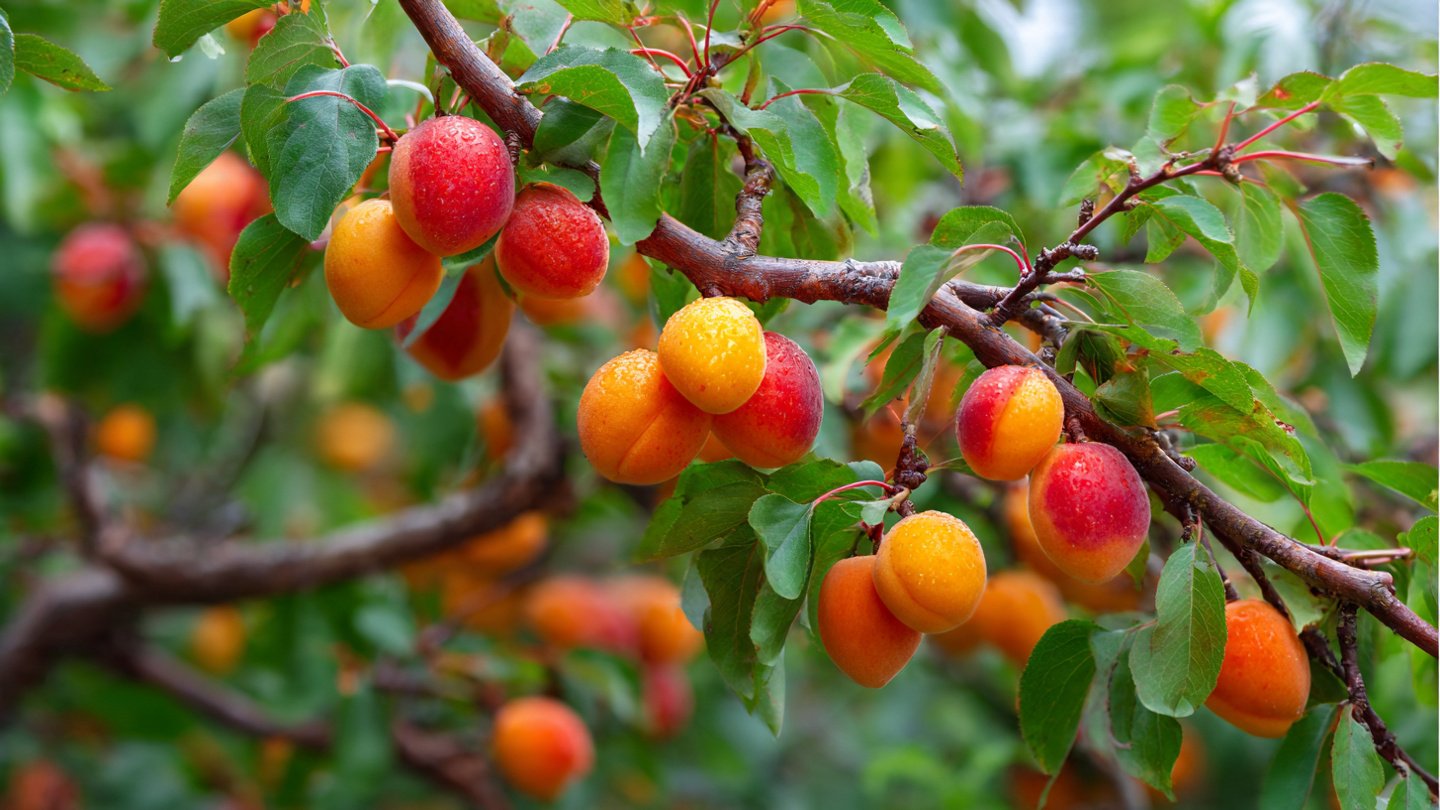
Pruning apricot trees, especially when grown in pots, can significantly enhance their fruit yield, overall health, and growth. Pot-grown trees often require specific care, including proper pruning techniques that differ from traditional ground-growing methods. This guide will delve into everything you need to know to prune your potted apricot trees successfully, ensuring they thrive and produce abundant fruit.
1. Understanding the Importance of Pruning
Pruning serves several essential purposes in cultivating apricot trees:
-
Promoting Air Circulation: Removing excess branches helps improve airflow. Good air circulation reduces diseases associated with dampness, such as fungal infections.
-
Enhancing Sunlight Exposure: Pruning allows light to penetrate through the tree, which is vital for photosynthesis. Better light exposure translates to healthier leaves and fruit.
-
Controlling Size: Potted trees have limited space. Regular pruning helps manage their growth and maintain a shape that fits the pot’s constraints.
-
Encouraging Fruit Production: Pruning stimulates the formation of new growth, which is necessary for good fruit production.
-
Improving Tree Health: Removing dead or diseased branches ensures that the tree can direct its energy toward healthy growth.
2. When to Prune Your Potted Apricot Trees
Timing is crucial when it comes to pruning apricot trees. Here’s when you should consider pruning:
-
Winter Pruning (Dormant Season): The best time to prune apricot trees is in late winter or early spring before the tree begins to blossom. During this dormant period, the tree is not actively growing, making it easier to shape without stressing it.
-
Summer Pruning: Light pruning during the summer can help control growth and remove any dead or diseased branches that become apparent once the leaves have fully developed.
3. Tools You’ll Need
Equip yourself with the proper tools to ensure effective and safe pruning. Here are essential tools for pruning apricot trees in pots:
-
Pruning Shears: Use sharp, clean pruning shears for smaller branches.
-
Loppers: Suitable for larger, thicker branches. They provide extra leverage and reach.
-
Saw: For thick branches that can’t be managed with shears or loppers.
-
Gloves: Protect your hands while working.
-
Disinfectant: Prepare to clean your tools before and after use to prevent the spread of diseases.
4. Pruning Techniques
4.1 Basic Pruning Methods
When pruning apricot trees, the following techniques will help in shaping the tree effectively:
-
Thinning: Remove entire branches that may be overcrowding the center or interfering with others. This allows light to reach all parts of the tree.
-
Heading Back: Shortening branches by cutting them back to a bud can promote bushier growth. This technique encourages new shoots.
-
Suckering: Remove any suckers (those small shoots growing from the base of the tree or along the trunk). These do not contribute to fruit production and can drain energy from the main tree.
4.2 Shaping the Tree
-
Central Leader System: For a healthy structure, aim for a strong central leader. This means selecting a single vertical trunk, cutting back competing leaders, and creating an open canopy.
-
Open Center: For a more natural form, prune to create an open center where branches grow outward. This allows air and sunlight to penetrate and enables easier fruit picking.
5. Pruning Steps
Step 1: Inspection
Before you begin, inspect your tree carefully. Look for signs of disease, damage, or dead branches. Identifying these issues first will help ensure you target the right areas during pruning.
Step 2: Remove Dead Wood
Start by cutting away any dead or diseased wood. Look for branches that are brittle, discolored, or missing leaves. Remove these to enhance the health of the tree.
Step 3: Thin Out Crowded Branches
Identify any branches that cross over or crowd each other. Using your pruning shears, carefully remove these branches to create a well-defined structure.
Step 4: Shape the Tree
Choose a leader branch to keep and trim competing leaders. If you aim for a central leader system, ensure it’s straight and dominant. For an open-centered design, evenly space branches around the tree.
Step 5: Check Growth
As new growth appears in the spring, you may want to do light summer pruning. This helps maintain shape and remove any unwanted suckers.
6. Post-Pruning Care
After pruning, your tree will need care to recover from the process:
-
Watering: Ensure the tree is adequately watered but avoid over-watering. The soil should be moist but never soggy.
-
Fertilizing: Consider applying a balanced fertilizer in the spring to support new growth. Look for formulas higher in potassium to promote fruiting.
-
Monitoring: Keep an eye on your tree for pests or diseases after pruning. Regular inspections will help you catch issues early.
7. Challenges to Consider
Pruning apricot trees in pots can present some challenges:
-
Limited Space: Ensure the pot is large enough to accommodate the root system. A cramped pot may stress the tree, making it more susceptible to disease.
-
Environmental Conditions: Pot-grown trees can experience temperature fluctuations more acutely than in-ground trees. Make sure to protect them during extreme weather.
-
Soil Health: Regularly check the soil in your pot. Over time, nutrients can deplete, necessitating repotting or adding fresh soil.
FAQs
1. How often should I prune my apricot tree in a pot?
You should aim to prune your apricot tree once a year during the dormant season. Light summer pruning can also be done if needed.
2. Can I prune my tree too much?
Yes, excessive pruning can stress the tree and reduce its fruit yield. Always focus on thinning and shaping rather than removing large amounts of foliage.
3. Is it necessary to use disinfectant on my tools?
Absolutely! Cleaning your pruning tools helps prevent the spread of disease from one plant to another.
4. What size should my pot be for an apricot tree?
A minimum pot size of 15 gallons is recommended for apricot trees to allow adequate space for root development.
5. What is the best fertilizer for potted apricot trees?
A balanced, slow-release fertilizer with higher potassium content is ideal for promoting fruit production.
6. How do I know if my apricot tree is over-pruned?
If your tree is not producing leaves or fruit, or if it appears weak and stunted, it may have been over-pruned. Evaluate your pruning techniques and consider reducing the amount you cut back next time.
7. Can potted apricot trees survive winter outdoors?
Apricot trees can struggle in freezing temperatures. If you live in a colder climate, consider bringing your potted tree indoors or wrapping it for insulation during winter.
Conclusion
Successfully pruning your potted apricot tree requires understanding its unique needs and applying the right techniques. With careful attention to timing, tools, and methods, you can ensure your apricot tree remains vibrant and fruitful. Follow this comprehensive guide, and you’ll be on your way to maximizing the yield of delicious apricots right from your patio or balcony! Happy gardening!