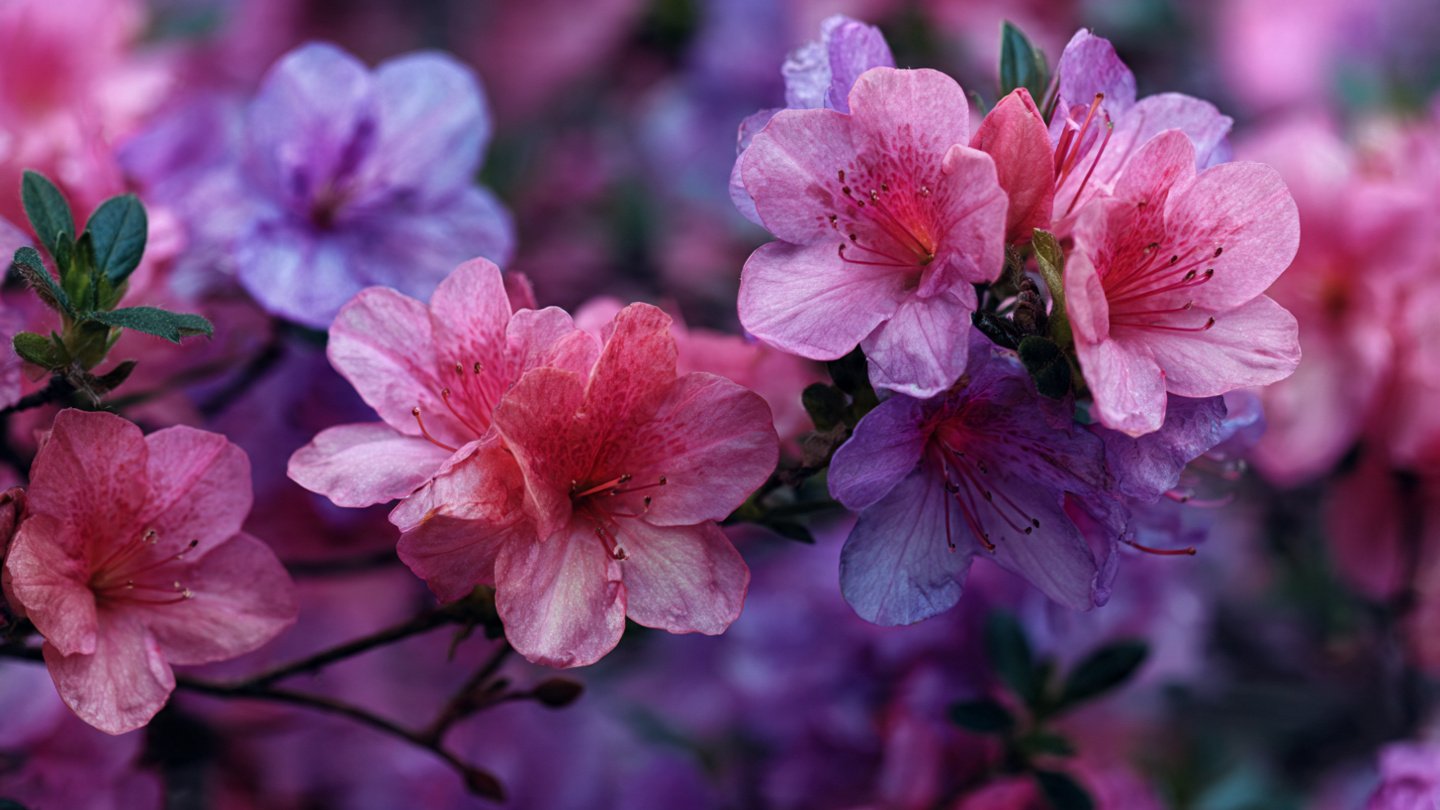
Azaleas are among the most beloved flowering shrubs, enchanting gardeners with their stunning blooms, vibrant colors, and year-round greenery. For those with gardens that fall into partial shade, these delicate yet robust plants can thrive beautifully, bringing a splash of color and elegance to any landscape. This guide will walk you through the essentials of growing azaleas in partial shade, ensuring that you can enjoy their lush, vibrant flowers for years to come.
Understanding Azaleas
Types of Azaleas: Azaleas are primarily categorized into two types: deciduous and evergreen. Deciduous azaleas, which shed their leaves in winter, can be found in colors ranging from soft pastel shades to vibrant reds, while evergreen azaleas keep their foliage throughout the year, providing a constant backdrop for their spectacular blooms. Some popular varieties include the Southern Indica, Ghent, or Exbury, each offering its unique color palette and growing requirements.
Growth Habit: Most azaleas are bushy with a mounded growth habit, making them ideal for borders, foundations, and as specimen plants. Depending on the variety, they can range from dwarf types that grow as low as 1 foot to larger varieties that can reach heights of 6 feet or more.
Choosing the Right Location
What is Partial Shade?
Partial shade generally refers to areas that receive around 3 to 6 hours of filtered sunlight daily. It’s crucial to choose the right spot for azaleas, as too much sun can scorch their leaves while too little can hamper blooming. Areas under deciduous trees or on the east side of your home are often ideal since they provide dappled sunlight.
Assessing Your Site
-
Sunlight: Observe how much sunlight your chosen area receives at different times of the day. Early morning sun with afternoon shade is often perfect for azaleas.
-
Soil Quality: Azaleas prefer acidic, well-draining soil. Consider performing a soil test to determine pH levels and nutrient content. Ideally, the pH should be between 5.0 and 6.0.
-
Moisture: Ensure the location retains moisture but isn’t waterlogged. Well-drained loamy soil is perfect for azaleas.
Preparing the Soil
-
Amend Soil: If your soil is alkaline, you can amend it with sulfur or peat moss to lower the pH. Adding organic matter such as compost can improve drainage and provide essential nutrients.
-
Drainage: If the location tends to retain water, try planting in raised beds or mounds to improve drainage.
-
Mulching: A layer of mulch (2-4 inches) can help retain moisture, suppress weeds, and regulate soil temperature. Organic mulches like pine bark or shredded leaves are ideal choices.
Planting Azaleas
When to Plant
Early spring or fall is the best time to plant azaleas. This timing allows the roots to establish before the extreme temperatures of summer or winter.
Steps for Planting
-
Digging the Hole: Dig a hole that’s twice as wide as the root ball but no deeper than the ball itself. This encourages lateral root growth rather than deep roots.
-
Positioning: Place the azalea in the hole so that the top of the root ball is level with the surrounding soil. Avoid planting too deep, as this can prevent proper growth.
-
Backfilling: Fill the hole with the amended soil, gently packing it down. Water thoroughly to eliminate air pockets.
-
Mulching: Apply mulch around the base, ensuring it doesn’t touch the stem, to prevent rot.
Watering
Azaleas love moisture but can be sensitive to overwatering. Here’s how to get it right:
-
Initial Watering: After planting, water thoroughly to settle the soil.
-
Regular Watering: During the first season, ensure the plants get approximately 1 inch of water per week. Water deeply to encourage strong root development.
-
Check Soil Moisture: Test the soil moisture by sticking your finger an inch deep into the soil; it should feel moist but not soggy.
Fertilizing Azaleas
Fertilization is key to vibrant blooms, but azaleas prefer a light touch:
-
Type of Fertilizer: Use a balanced, slow-release fertilizer specifically formulated for azaleas or rhododendrons. These formulations usually have a higher acidity that’s ideal for the plants.
-
When to Fertilize: Apply fertilizers in early spring as new growth begins, and again in late spring if necessary.
-
Application: Follow the package instructions closely to prevent fertilizer burn. Spread it evenly around the base and then water thoroughly.
Pruning Azaleas
Regular pruning helps maintain shape and promote healthy growth:
-
When to Prune: Ideally, prune immediately after flowering in late spring. This timing allows for new buds to develop for the next year.
-
How to Prune: Remove dead or diseased branches and trim back overly long branches to promote a balanced shape. Avoid cutting back more than one-third of the plant at any one time.
Pest and Disease Management
While azaleas are relatively hardy, they can sometimes fall prey to pests and diseases:
-
Common Pests: Watch for aphids, lace bugs, and spider mites. Regularly inspect leaves and stems for signs of infestation. Insecticidal soap or neem oil can be effective treatments.
-
Diseases: Azaleas are susceptible to root rot if overwatered or planted in poorly-draining soil. Fungal diseases like powdery mildew may also occur. Ensure good air circulation around plants and water at the base rather than overhead.
Providing Winter Protection
In colder climates, azaleas may need extra winter care:
-
Mulching: A thick layer of mulch can provide insulation during cold months.
-
Shelter: Consider wrapping newly planted azaleas in burlap if harsh winds are common in your area.
-
Watering in Winter: Continue to water azaleas during dry winter spells, ideally when temperatures are above freezing, to prevent dehydration.
Maintenance Routine
Implementing a simple maintenance routine will keep your azaleas healthy:
-
Weekly Checks: Make a habit of checking your azaleas weekly for any signs of pests or disease.
-
Seasonal Care: Clean up fallen leaves and debris in autumn to prevent fungal growth over the winter.
-
Annual Soil Testing: Every couple of years, test your soil again to ensure it remains in the ideal pH range for your azaleas.
Enjoying Your Azaleas
Once your azaleas are established, you can expect a magnificent display of blooms each spring. These vibrant flowers can attract pollinators such as bees and butterflies, enriching your garden’s ecosystem. Pair azaleas with other shade-loving plants like hostas or ferns for a diverse and visually appealing landscape.
FAQs
1. How much shade do azaleas need?
Azaleas thrive in partial shade, ideally receiving 3-6 hours of filtered sunlight daily. Too much direct sunlight can damage their leaves and diminish blooming.
2. Can azaleas grow in full shade?
While azaleas can tolerate some shade, growing them in full shade may result in fewer blooms and leggy growth. Look for dappled sunlight conditions for optimal growth.
3. What soil type is best for azaleas?
Acidic, well-draining soil is ideal for azaleas. A pH level between 5.0 and 6.0 works best. Adding organic matter like compost can enhance soil quality.
4. How often should I water azaleas?
During the first growing season, water azaleas about 1 inch per week. Monitor soil moisture and adjust based on rainfall and temperature.
5. When should I prune my azaleas?
Prune azaleas immediately after they finish blooming in late spring to promote healthy growth for the following year.
6. What are common pests and diseases for azaleas?
Common pests include aphids and lace bugs, while root rot and powdery mildew are typical diseases. Regular monitoring and appropriate treatments can help manage these issues.
7. How can I ensure my azaleas survive winter?
Apply a thick layer of mulch for insulation, water them during dry spells in winter, and consider using burlap for protection against harsh winds.
By following this guide, you’ll be well on your way to growing beautiful azaleas in partial shade, creating a stunning garden display that can brighten your outdoor space for years to come. Happy gardening!