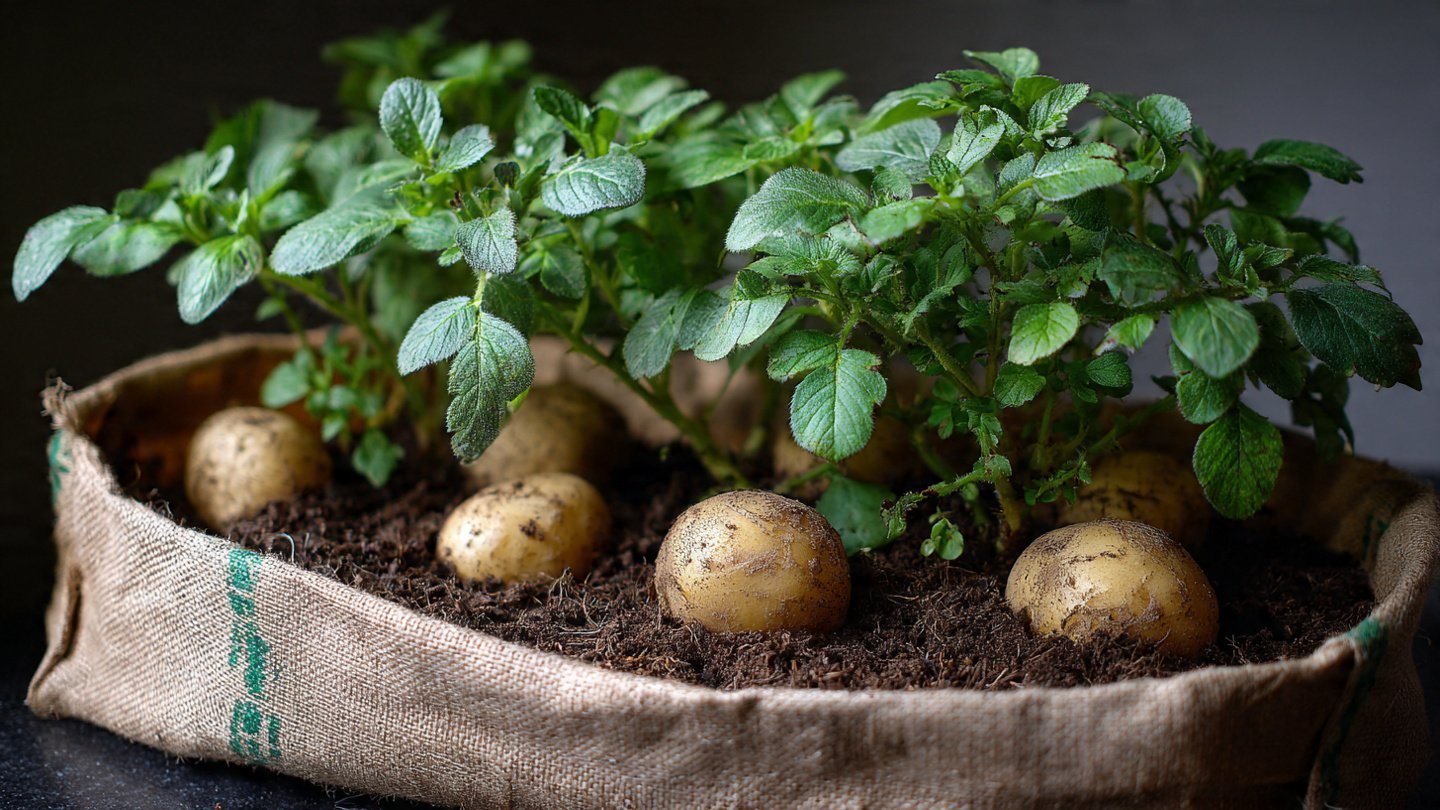
Growing your own food can be a rewarding and fulfilling experience, and one of the easiest crops to cultivate is potatoes. Whether you have limited space or want to try your hand at container gardening, growing baby potatoes in a bag is an effective and straightforward method. This article will guide you through the simple steps to successfully grow baby potatoes at home, along with tips and FAQs for a successful harvest.
Why Grow Baby Potatoes?
Baby potatoes, also known as new potatoes, are young and tender tubers that are harvested before they reach full maturity. They are sweet, creamy, and perfect for salads, roasting, or steaming. Here are some compelling reasons to grow baby potatoes:
- Space-efficient: Ideal for small gardens or patios, these can be grown in bags or containers.
- Quick Turnaround: Baby potatoes grow faster than mature potatoes, allowing for an earlier harvest.
- Nutrient-rich: Potatoes are packed with vitamins and minerals, including potassium and Vitamin C.
- Cost-effective: Growing your own reduces grocery bills and provides organic produce without chemicals.
Materials You’ll Need
To get started with growing baby potatoes in a bag, you will need the following materials:
- Growing Bags: Look for breathable, durable garden bags designed for potatoes.
- Seed Potatoes: Purchase certified seed potatoes from a garden center or online. Choose fingerling varieties or other small potato types for the best results.
- Growing Medium: Use high-quality potting soil, rich in organic matter. You can also mix in compost to enhance fertility.
- Watering Can or Hose: For watering your potatoes.
- Fertilizer: A balanced fertilizer to support growth.
- Sunlight: A sunny spot that receives at least 6-8 hours of sunlight daily.
Step-by-Step Guide to Growing Baby Potatoes in a Bag
1. Prepare Your Seed Potatoes
Before planting, prepare your seed potatoes. Cut larger potatoes into smaller pieces, ensuring each piece has at least one eye (the small bud). Allow the cut pieces to dry for a day or two to form a protective layer over the cuts; this helps prevent rot when planted.
2. Choose the Right Growing Bag
Select a suitable growing bag that accommodates your space. A bag that is 10-15 gallons in size is ideal for a small crop. Ensure the bag has drainage holes to prevent waterlogging, which can lead to root rot.
3. Fill the Bag with Soil
Fill the bottom of the bag with 4-6 inches of potting soil. This layer will serve as the base for your potatoes to grow. If you want, mix in a slow-release fertilizer for added nutrients.
4. Plant the Seed Potatoes
Place your seed potatoes on top of the soil, spacing them about 6 inches apart. If you are growing multiple potatoes within one bag, ensure there’s adequate room for each one. Cover the seed potatoes with an additional 4-6 inches of soil.
5. Watering and Fertilizing
After planting, water the bag thoroughly but avoid overwatering. Let the topsoil dry slightly between watering sessions. Fertilize every few weeks with a balanced organic fertilizer according to package instructions. This will provide essential nutrients for healthy growth.
6. Encourage Growth
As the potato plants start to grow, you will notice green shoots emerging from the soil. When the plants reach about 6-8 inches in height, add an additional layer of soil, covering the bottom leaves but not the top leaves. This process, known as “hilling,” encourages more tuber production by burying the stems.
7. Monitor for Pests and Diseases
Keep an eye on your potato plants for any signs of pests or diseases. Common pests include potato beetles and aphids. Use organic insecticidal soap if necessary. Make sure to also check for signs of blight, which can occur in humid conditions.
8. Harvesting
Baby potatoes are ready for harvest about 10-12 weeks after planting, or when the plants begin to flower. To harvest, gently pull back the soil to expose the potatoes. Alternatively, you can dump the entire bag out for an easier collection.
Use your hands or a small garden fork to carefully retrieve the potatoes, ensuring not to damage them.
9. Storage
Baby potatoes are best consumed soon after harvesting. If you need to store them, keep them in a cool, dark place. Avoid washing them before storage, as moisture can lead to rot.
Tips for Success
- Sunlight: Ensure your plants receive ample sunlight for robust growth.
- Watering: Consistent watering is key, especially as the plants develop. Be cautious not to let the soil dry out completely.
- Companion Planting: Consider companion plants like basil or marigolds to deter pests and improve soil health.
- Try Different Varieties: Experiment with different types of seed potatoes for varied flavors and growth patterns.
Troubleshooting Common Issues
- Yellow Leaves: This can indicate overwatering, nutrient deficiency, or pests. Check your watering schedule and consider applying fertilizer.
- Poor Yield: This may be due to insufficient sunlight, overcrowding, or lack of nutrients. Ensure proper spacing and light conditions.
- Rotting Tubers: Ensure proper drainage in your container and avoid overwatering.
FAQs
Q1: Can I use regular potatoes from the grocery store as seed potatoes?
A1: It’s best to use certified seed potatoes, as grocery store potatoes may carry diseases or be treated with chemicals that inhibit sprouting.
Q2: How often should I water my baby potatoes?
A2: Check the top inch of soil; if it feels dry, it’s time to water. Generally, you should water every few days, depending on weather conditions.
Q3: What type of soil is best for growing potatoes in bags?
A3: A high-quality potting mix rich in organic matter is ideal. You can also mix in compost for additional nutrients.
Q4: When is the best time to plant baby potatoes?
A4: Plant baby potatoes in early spring, once the threat of frost has passed, and the soil temperature reaches at least 45°F (7°C).
Q5: How do I know when to harvest my baby potatoes?
A5: Harvest your baby potatoes when the plants begin to flower, usually 10-12 weeks after planting.
Q6: Can I grow baby potatoes indoors?
A6: Yes, you can grow baby potatoes indoors if they receive adequate light and warmth. Consider using grow lights if natural sunlight is insufficient.
Q7: What should I do if my plant’s growth seems stunted?
A7: Check for nutrient deficiencies, watering issues, or pest infestations that might be hindering your plants’ growth. Adjust your care routine as necessary.
Conclusion
Growing baby potatoes in a bag at home is a simple and rewarding endeavor that can transform your gardening experience. With minimal space required and an easy-to-follow method, you can enjoy fresh, flavorful potatoes right from your own yard or balcony. Embrace the joys of home gardening and celebrate your harvest, knowing you’ve cultivated your own delicious food. Happy gardening!