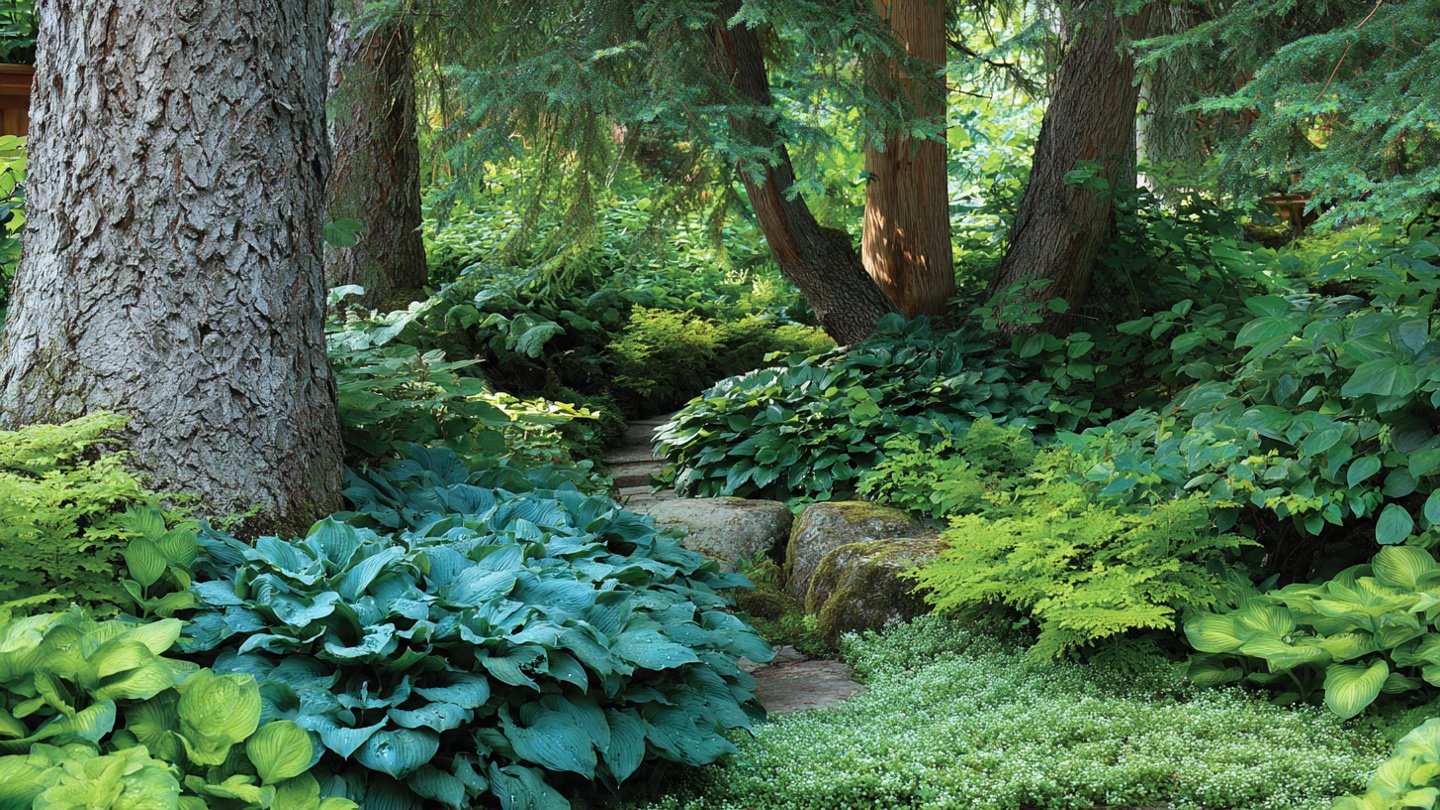
Creating a lush garden in the shade can be a rewarding and beautiful endeavor. Many homeowners face challenges when aiming to maintain a vibrant landscape under trees, where limited sunlight might hinder plant growth. However, the right shade-loving plants can help you create a thriving garden that flourishes even in the dimmest settings.
Understanding Shade
Before diving into specific plant recommendations, it’s essential to understand what constitutes shade. Shade can generally be categorized into three types:
- Partial Shade: Areas that receive 3 to 6 hours of sunlight daily.
- Dappled Shade: Light that filters through branches or leaves, providing soft, the variable light.
- Full Shade: Areas that receive less than 3 hours of sunlight daily.
Identifying the type of shade in your garden will help you make optimal plant choices.
Benefits of Shade Gardening
Shade gardening is not just for aesthetics; there are numerous benefits:
- Lower Water Requirements: Shaded areas retain moisture longer, reducing the need for frequent watering.
- Reduced Weed Growth: The absence of intense sunlight can limit weed growth, making maintenance easier.
- Cooler Environment: Gardens in shaded areas often have a cooler microclimate, which can be refreshing during hot summer days.
- Increased Biodiversity: Shade gardens attract various wildlife, including birds, butterflies, and beneficial insects.
Top Shade-Loving Plants
Here’s a selection of the best shade-loving plants that can transform your under-tree garden into a thriving oasis.
1. Hostas
Hostas are perhaps the most popular shade-loving perennials. They come in various colors, sizes, and textures, making them a versatile option for any garden.
- Varieties: ‘Blue Angel’, ‘Sum and Substance’, and ‘Patriot’ are well-known varieties.
- Benefits: Their large leaves create a lush ground cover and they are relatively low-maintenance.
2. Ferns
Ferns thrive in shady environments and can add dramatic textures to your garden.
- Popular Types: Japanese Painted Fern, Maidenhair Fern, and Ostrich Fern.
- Benefits: They require little care and can fill in spaces beautifully without overwhelming the garden.
3. Shade-Tolerant Perennials
Certain perennials thrive in shady conditions:
- Astilbe: Known for its feathery plumes and lovely foliage, Astilbe can bring color from spring to summer.
- Pulmonaria (Lungwort): With its spotted leaves and striking blue flowers, Lungwort is a delightful ground cover.
- Brunnera macrophylla (False Forget-Me-Not): Featuring heart-shaped leaves and bright blue flowers, this plant pairs well with ferns and other shade plants.
4. Shade-Resistant Shrubs
If you’re looking for structure, consider adding shade-resistant shrubs:
- Hydrangeas: Particularly the varieties that thrive in partial shade can be dramatic focal points.
- Azaleas: These flowering shrubs bloom in spring and provide vibrant colors.
- Camellias: Their glossy leaves and beautiful blooms can transform a shaded area into a delightful garden spot.
5. Ground Covers
Ground covers can help suppress weeds while adding beauty to shaded areas:
- Pachysandra: This evergreen ground cover thrives in shade and can spread quickly, providing a lush green carpet.
- Vinca Minor (Periwinkle): With its lovely purple flowers, Vinca adds color and has a vigorous growth habit.
- Creeping Thyme: Although it prefers more sunlight, some varieties can thrive in partial shade and provide a fragrant ground cover.
6. Shade-Tolerant Annuals
Don’t overlook annuals that can provide seasonal color:
- Impatiens: These classic shade annuals bring a burst of color and thrive in various shades of light.
- Begonias: With their colorful foliage and flowers, they add vibrancy to shady spots.
- Coleus: Their diverse leaf colors and shapes make Coleus a favorite for mixed plantings in shade.
7. Bulbs
Adding spring-flowering bulbs can enhance your shade garden:
- Snowdrops: These delicate flowers are among the first to bloom and can naturalize in shady areas.
- Woodland Hyacinth: With beautiful blue flowers, these bulbs thrive under trees and in shaded areas.
Tips for Successful Shade Gardening
1. Soil Preparation
Since shade gardens might not receive a lot of sunlight, it’s essential to prepare the soil properly.
- Improving Drainage: Ensure your soil has good drainage to prevent rot.
- Adding Organic Matter: Incorporating compost can enrich the soil, providing nutrients for the plants.
2. Watering
Despite needing less water than sunny gardens, shaded plants still require consistent moisture, especially during dry spells.
- Mulching: Apply a layer of mulch to help retain moisture and suppress weeds.
3. Regular Maintenance
While shade plants are generally low-maintenance, some regular tasks are essential.
- Pruning: Regularly prune any overhanging branches that could block essential light and airflow.
- Weeding: Keep an eye on weeds, as they can still compete with your shade plants.
4. Fertilization
Apply a balanced, slow-release fertilizer early in the growing season to promote healthy growth.
5. Grouping Plants
Group plants with similar water and light requirements to ensure they can thrive together.
Conclusion
Transforming a shaded area under trees into a vibrant garden is not only possible but can be quite rewarding. By choosing the right mix of shade-loving plants, you can create a flourishing environment that enhances the beauty of your landscape. From ferns to flowering shrubs, numerous options exist to suit your garden’s unique conditions.
FAQs
1. Can I plant vegetables in shaded areas?
Many vegetables prefer full sun; however, some, like lettuce, spinach, and radishes, can tolerate partial shade.
2. How often should I water shade plants?
Watering frequency depends on climate and soil type, but generally, shaded areas retain moisture better than sunny spots. Water when the top inch of the soil feels dry.
3. Do shade-loving plants still need sunlight?
Yes, even shade-loving plants require some light, but they thrive with less direct sunlight than other plants.
4. Can I plant flowers under mature trees?
Yes, many flowers are suitable for planting under mature trees, but choose varieties that thrive in that particular shade level.
5. What is the best mulch for shade gardens?
Organic mulches like shredded bark, wood chips, or straw are ideal for shade gardens, as they decompose and enrich the soil over time.
Incorporate these lovely shade-loving plants into your garden and witness the transformation they can bring. Whether you’re looking for color, texture, or low maintenance, these options will help you create a breathtaking shaded oasis right in your yard.