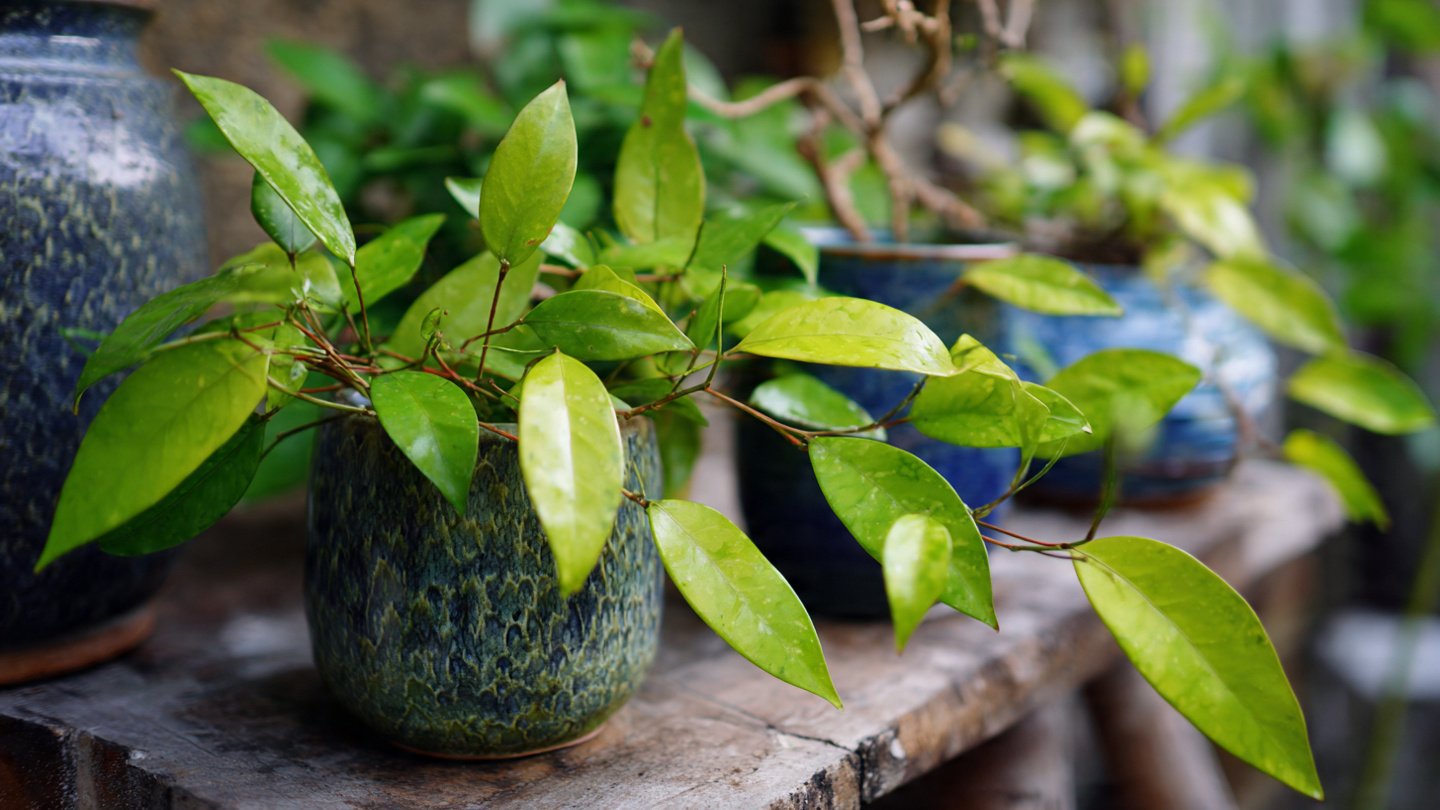
Hoya plants, often referred to as wax plants due to their thick, glossy leaves, are beloved for their stunning flowers and ease of care. Native to tropical and subtropical regions of Asia and Australia, Hoyas make excellent houseplants and can thrive in home gardens. Propagating Hoya plants from cuttings not only saves money, but it also allows gardeners to expand their collection and share these beautiful plants with friends. This article will delve into effective strategies for growing Hoya plants from cuttings in your home garden, providing a comprehensive guide from selection to care.
Understanding Hoya Plants
Characteristics of Hoya Plants
Hoya plants belong to the family Apocynaceae and consist of over 200 species. They are known for their waxy leaves and beautiful star-shaped flowers that can bloom in clusters. The long-lasting flowers can emit a sweet fragrance, making them a favorite among indoor gardeners.
Types of Hoyas
Several popular varieties of Hoya plants include:
- Hoya carnosa: Known for its waxy leaves and fragrant, pink flowers.
- Hoya pubicalyx: Recognized for its dark green leaves and striking, deep crimson flowers.
- Hoya kerrii: Commonly known as the heartleaf Hoya, this plant has heart-shaped leaves that are particularly popular.
Each type has unique growth habits and care requirements, which can influence how they are propagated.
Choosing the Right Cuttings
Selecting Healthy Parent Plants
Successful propagation starts with a healthy parent plant. Look for a Hoya that is:
- Disease-Free: Ensure that the plant shows no signs of pests or diseases.
- Strong Growth: Choose a vigorous plant with healthy leaves and stems.
- Mature Enough: Select a plant that has several stems and is well-established.
Taking the Cuttings
Best Time to Take Cuttings
The optimal time for taking cuttings is during the growing season, typically spring or early summer, when the plant is actively growing.
Method for Taking Cuttings
- Tools Needed: Use a sharp, sterile knife or garden scissors to reduce the risk of infection.
- Choose the Best Stem: Look for a stem segment that is at least 4-6 inches long and has a few healthy pairs of leaves.
- Make the Cut: Slice just below a node, which is the point on the stem where leaves are attached. Nodes are crucial for root development.
- Remove Lower Leaves: Trim the lower pair of leaves to expose the node and prevent rot when placed in soil or water.
Propagation Methods
There are two primary methods for propagating Hoya cuttings: in water and in soil.
1. Water Propagation
This method allows you to observe root development.
Steps for Water Propagation
- Place the Cutting in Water: Put the cutting in a jar or glass of water, ensuring the node is submerged but the leaves are above the water.
- Location: Place it in a bright, indirect sunlight location, as too much direct sunlight can heat the water and harm the cutting.
- Change Water Regularly: Refresh the water every few days to keep it clean and oxygen-rich.
- Watch for Roots: Roots should appear in a few weeks. Once they are about 2-3 inches long, the cutting can be potted.
2. Soil Propagation
This method is often preferred due to its simplicity.
Steps for Soil Propagation
- Prepare the Soil Mix: Use a well-draining potting mix, ideally a blend of potting soil, perlite, and orchid bark for aeration.
- Plant the Cutting: Insert the cutting into the soil, burying the node slightly below the surface. Water lightly to settle the soil.
- Create Humidity: Cover the pot with a plastic bag or a humidity dome to create a greenhouse effect, which retains moisture.
- Place in Indirect Light: Like water propagation, soil-grown cuttings need bright, indirect light.
- Wait for Roots: Roots should develop within a month. Check by gently tugging on the cutting; if you feel resistance, roots have formed.
Caring for Hoya Cuttings
Light Requirements
Hoya plants thrive in bright, indirect sunlight. Too much direct sunlight can scorch the leaves, while too little can hinder growth and flower production. Consider placing them near east or west-facing windows, where they can receive ample light.
Watering
Watering needs will depend on the propagation method:
- Water Propagation: Change the water frequently and ensure it does not become stagnant.
- Soil Propagation: Allow the top inch of soil to dry before watering again. Hoyas prefer slightly drier soil conditions over soggy soil, which can lead to root rot.
Humidity and Temperature
Hoya plants enjoy humidity levels of around 60% or higher. If the air in your home is dry, consider using a humidifier or placing the pot on a tray filled with water and pebbles.
Fertilization
Once the cuttings are established (about 6-8 weeks after potting), you can start fertilizing. Use a balanced, water-soluble fertilizer at half strength every 4-6 weeks during the growing season.
Monitoring Growth
Signs of Healthy Growth
Look for these indicators that your Hoya cutting is thriving:
- New leaves are sprouting.
- The existing leaves are firm and healthy-looking.
- The plant starts to grow tendrils or additional stems.
Troubleshooting Common Issues
- Yellowing Leaves: This may indicate overwatering. Allow the soil to dry before watering again.
- Dropping Leaves: This could be due to underwatering or sudden temperature changes.
- Pest Infestations: Regularly check for mealybugs, aphids, or spider mites. Use insecticidal soap or neem oil to treat infestations.
Transplanting Established Cuttings
Once your Hoya cuttings are well-rooted and have outgrown their initial pots, it’s time to transplant them into larger containers.
Signs It’s Time to Transplant
- Roots are visibly coming out of the drainage holes.
- The plant seems stunted or has stopped growing.
- The pot feels top-heavy, indicating it may be too small.
Transplanting Steps
- Choose a pot that is one size larger than the current one, ensuring it has drainage holes.
- Gently remove the plant from its current pot, being careful not to damage the roots.
- Place the plant in the new pot and fill it with fresh potting mix, watering lightly afterward.
FAQs
1. How long does it take for Hoya cuttings to root?
Hoya cuttings typically take about 4-6 weeks to develop roots when propagated in water or soil.
2. Do Hoya plants require special soil?
While Hoyas are not too picky, they thrive best in a well-draining potting mix. A mix of potting soil, perlite, and orchid bark is ideal.
3. Can I propagate Hoya plants in winter?
While it’s best to propagate during the growing season in spring or summer, you can still propagate in winter if necessary. However, growth may be slower due to reduced light and temperature.
4. How often should I water my Hoya plant?
Water your Hoya when the top inch of soil is dry. Generally, this means watering every 1-2 weeks, but it varies depending on environmental conditions.
5. Can I propagate Hoya plants from leaves only?
Hoya plants typically root best from stem cuttings that contain a node. Leaf-only cuttings usually do not root successfully.
6. What should I do if my Hoya cutting doesn’t root?
If your cutting is not rooting after several weeks, check for rot or disease. Ensure the cutting is in well-draining conditions and maintain appropriate humidity and light levels.
Conclusion
Growing Hoya plants from cuttings in your home garden is a rewarding endeavor that enhances your space’s beauty and increases your plant collection. With the right techniques and care, you can enjoy the satisfaction of nurturing these unique and stunning plants from their beginnings as simple cuttings. Experiment with different types of Hoya and enjoy the journey of propagation!